





What's Happening?
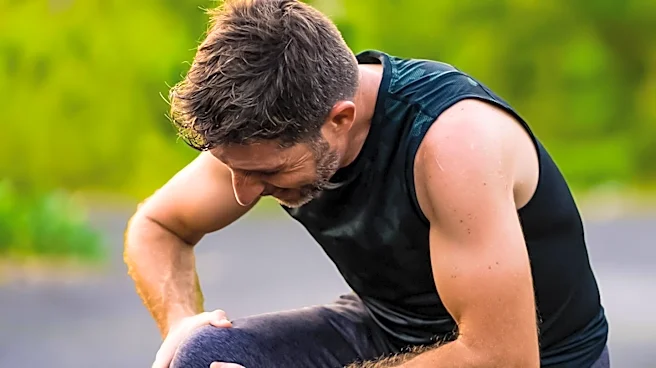
Kneecap pain, often referred to as patellofemoral pain syndrome or 'runner's knee,' is a common ailment characterized by discomfort around or behind the kneecap. This pain typically intensifies with activities such as going downstairs, squatting, or standing
up after prolonged sitting with bent knees. The kneecap, or patella, functions as a pulley, transferring the quadriceps' power to the knee. Its posterior surface is covered with thick cartilage, designed to withstand high pressures during movements like climbing stairs, squatting, and jumping. Pain arises when there's an excessive or unbalanced load on the joint between the kneecap and the thighbone. While patellofemoral pain syndrome is the most frequent cause, other conditions like tendon problems, cartilage damage, bursitis, or arthritis can also contribute to kneecap pain. The load on the kneecap is influenced by factors such as muscle strength, hip and foot alignment, training volume, and body weight. When this balance is disrupted, pressure on joint surfaces and soft tissues increases, leading to pain. Diagnosis primarily relies on patient history and physical examination, with imaging like X-rays or MRI used to rule out other issues or assess cartilage.
Why It's Important?
Kneecap pain, particularly patellofemoral pain syndrome, significantly impacts individuals' daily lives and athletic performance, especially in the U.S. where sports and active lifestyles are prevalent. The condition can limit participation in physical activities, affecting overall health and well-being. For athletes, it can lead to reduced training capacity, missed competitions, and potential long-term career implications if not managed effectively. The economic impact includes healthcare costs associated with diagnosis, physical therapy, and, in some cases, surgery. Furthermore, productivity can be affected if individuals experience chronic pain that hinders their ability to perform work-related tasks. Understanding the causes and effective treatments is crucial for healthcare providers to offer appropriate care, minimize recovery times, and help individuals return to their desired activity levels. The emphasis on non-surgical treatments like exercise and load management also highlights the importance of preventative strategies and rehabilitation in public health initiatives.
What's Next?
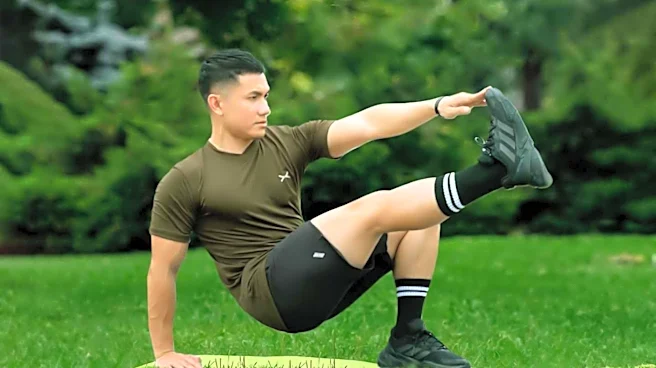
Treatment for patellofemoral pain syndrome primarily focuses on exercise and load management, with surgery being a rare last resort for specific structural problems. Individuals are advised to temporarily reduce activities that aggravate the pain, such as deep squats or downhill running, and to maintain fitness through less impactful activities like cycling or swimming. Exercise therapy programs, which strengthen both thigh and hip muscles, are widely recommended. These include quadriceps sets, straight leg raises, side-lying leg raises, and partial squats, progressing gradually. Mild discomfort during exercise is acceptable, but increased pain indicates the need to reduce the load. Working with a physiotherapist is crucial for developing a tailored program. Supporting measures like taping, patellar braces, appropriate footwear, insoles, and weight control can also help. Persistent pain, swelling, or a feeling of the kneecap slipping warrants an orthopedic assessment to rule out more serious conditions.
Beyond the Headlines
The prevalence of kneecap pain, particularly 'runner's knee,' underscores a broader societal challenge related to physical activity and injury prevention. In a culture that often promotes intense exercise and sports, there's a critical need for education on proper training techniques, load management, and the importance of muscle balance. The shift in understanding from 'tendinitis' to 'tendinopathy' highlights that many musculoskeletal pains are not simply inflammatory but rather a result of the body's failed healing response to overload. This re-evaluation influences treatment approaches, moving away from sole reliance on anti-inflammatory measures towards progressive loading and strengthening. This paradigm shift has implications for how coaches, trainers, and healthcare professionals approach athletic conditioning and injury rehabilitation, emphasizing long-term tissue adaptation over short-term pain relief. It also brings to light the ethical responsibility of promoting safe and sustainable physical activity practices to prevent chronic pain and improve overall public health.