





What's Happening?
New York City health officials have reported an increase in Legionnaires' disease cases on Manhattan's Upper East Side, with 14 confirmed cases linked to ZIP codes 10028, 10128, and 10075. The outbreak, which initially had only two confirmed cases, has
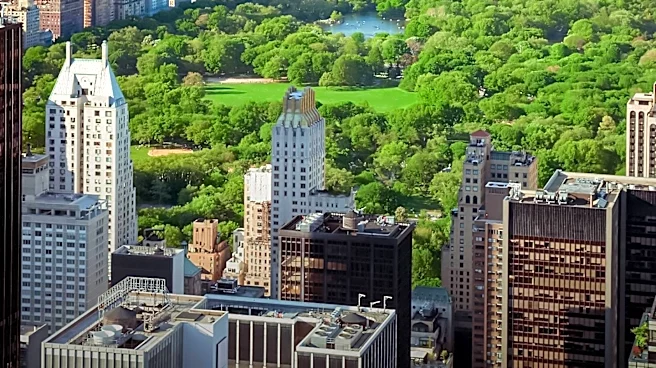
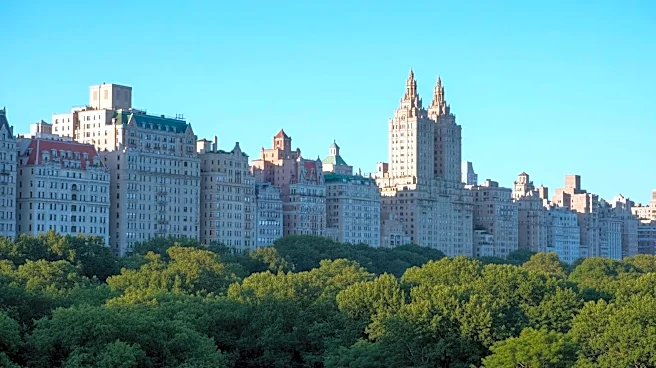
expanded, prompting officials to urge individuals who have been in the area, particularly along the east side of Central Park between East 76th Street and East 97th Street, to monitor for flu-like symptoms such as fever, cough, chills, and muscle aches. The source of the outbreak is under investigation, with cooling towers in the area being tested as potential sources of the Legionella bacteria. New York City Mayor Zohran Mamdani has assured residents that the outbreak is not related to building plumbing or indoor air conditioning units, and that tap water remains safe for consumption and use.
Why It's Important?
The outbreak of Legionnaires' disease is significant due to its potential health impact on the local population, particularly in densely populated urban areas like Manhattan. Legionnaires' disease is a severe form of pneumonia that can be fatal if not treated promptly. The outbreak highlights the importance of public health surveillance and rapid response to infectious disease clusters. It also underscores the need for ongoing monitoring and maintenance of infrastructure, such as cooling towers, which can harbor the bacteria responsible for the disease. The situation may lead to increased public health measures and awareness campaigns to prevent further spread and protect vulnerable populations.
What's Next?
Health officials will continue to investigate the source of the outbreak and provide updates as more information becomes available. Testing of cooling towers in the affected area is ongoing, and officials are likely to implement additional public health measures if necessary. Residents and visitors in the affected areas are advised to seek medical attention if they experience symptoms associated with Legionnaires' disease. The city may also increase efforts to educate the public about the disease and preventive measures. The outcome of the investigation could lead to policy changes regarding the maintenance and regulation of cooling towers and other potential sources of Legionella bacteria.