
What's Happening?
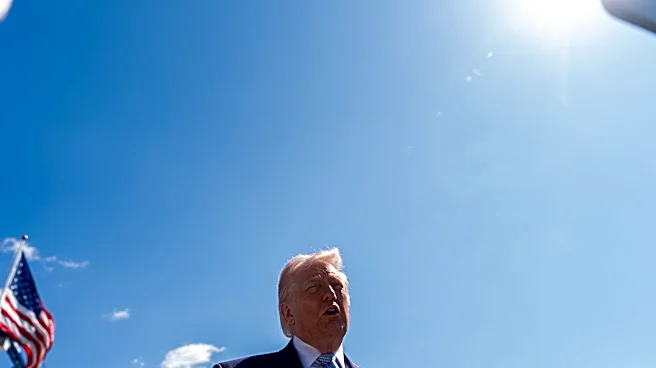
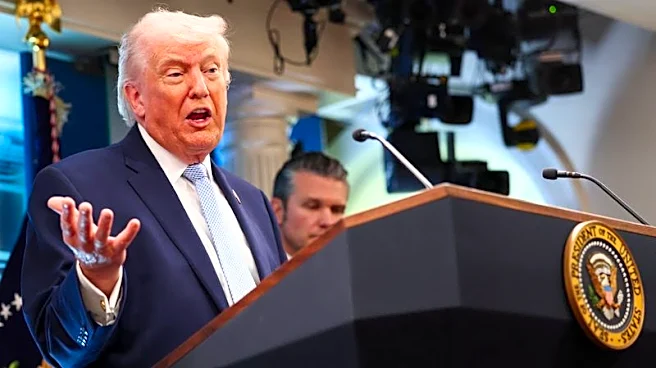
President Trump has announced the imposition of immediate 50% tariffs on imports from countries supplying military weapons to Iran. This decision follows a recent agreement on a two-week ceasefire with
Tehran. The tariffs are part of a broader strategy to exert economic pressure on nations involved in military dealings with Iran. According to US intelligence reports, China is preparing to deliver new air defense systems to Iran, potentially using third countries to conceal the shipments. These systems, known as MANPADs, pose a significant threat to low-flying US military aircraft, as demonstrated during a recent five-week conflict. The Chinese embassy in Washington has denied these allegations, stating that China has not provided weapons to any party involved in the conflict.
Why It's Important?
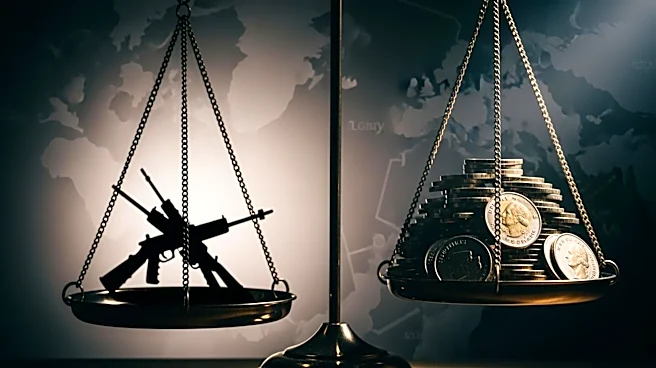
The imposition of tariffs by President Trump is a strategic move aimed at curbing military support to Iran from other nations, particularly China. This action could have significant implications for international trade relations and geopolitical dynamics. By targeting countries that supply weapons to Iran, the US is attempting to limit Iran's military capabilities and influence in the region. The tariffs could lead to increased tensions between the US and China, potentially affecting diplomatic relations and economic exchanges. Additionally, the move underscores the US's commitment to using economic measures as a tool for foreign policy, which may influence how other countries engage in military and trade activities with Iran.
What's Next?
The tariffs are likely to prompt reactions from affected countries, particularly those involved in supplying military equipment to Iran. China, as a major player in this scenario, may seek diplomatic channels to address the allegations and tariffs imposed by the US. The situation could lead to further negotiations or retaliatory measures, impacting global trade and diplomatic relations. The ceasefire agreement between the US and Iran remains fragile, and any escalation in military or economic actions could disrupt the current peace efforts. Stakeholders, including international organizations and governments, may intervene to mediate and prevent further escalation.
Beyond the Headlines
The use of tariffs as a tool for foreign policy highlights the intersection of economic and military strategies in international relations. This approach raises ethical questions about the impact of economic sanctions on global trade and the potential for unintended consequences, such as increased tensions or economic hardship for affected nations. The situation also reflects broader geopolitical shifts, with countries like China playing a significant role in regional conflicts and peace negotiations. The long-term implications of these actions could influence global power dynamics and the future of international diplomacy.