









What's Happening?
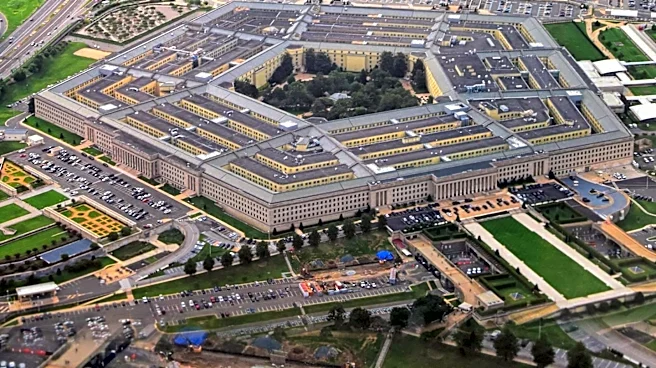
The Pentagon has reinstated mandatory flu vaccinations for all military recruits following a significant flu outbreak at the U.S. Air Force's boot camp at Lackland Air Force Base. This decision comes after Defense Secretary Pete Hegseth had previously
made the flu shot optional, citing medical autonomy and religious freedom. The outbreak at Lackland has affected nearly 300 individuals, highlighting the risks of disease spread in close-quarter environments typical of military training facilities. Despite the outbreak, Pentagon officials maintain that the decision to reinstate the vaccine mandate was not directly related to the current situation at Lackland. The base, which processes approximately 700 new recruits weekly, saw only 40% of trainees opting for the flu shot when it was optional.
Why It's Important?
The reinstatement of the flu vaccine mandate underscores the importance of preventive health measures in environments where individuals are in close contact, such as military boot camps. The outbreak at Lackland Air Force Base serves as a reminder of the potential for rapid disease spread in such settings, which can impact military readiness and the health of recruits. The decision to mandate flu vaccinations again reflects a broader public health strategy to mitigate the risks of infectious diseases in the military. This move is likely to influence policies in other group settings, emphasizing the role of vaccinations in maintaining public health and operational effectiveness.
What's Next?
With the reinstatement of the flu vaccine mandate, military services are expected to implement the requirement across all boot camps. This decision may prompt other institutions with similar close-contact environments, such as schools and correctional facilities, to reassess their vaccination policies. The Pentagon's decision could also lead to discussions about the balance between individual rights and public health responsibilities, particularly in settings where the health of the group is paramount. Monitoring the effectiveness of this policy change in reducing flu cases will be crucial in determining future health mandates within the military.