



What's Happening?
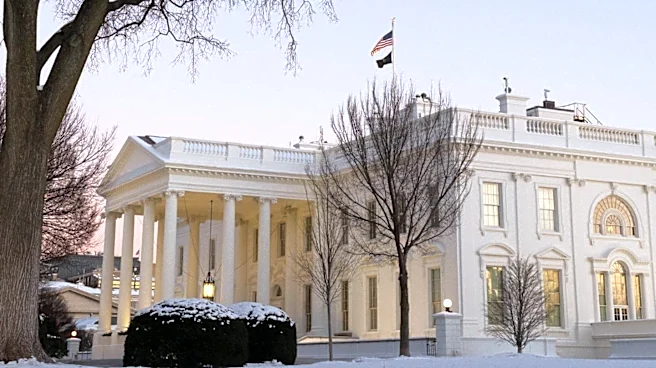
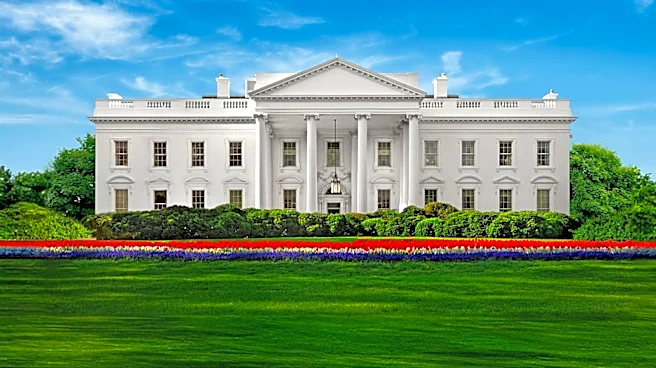
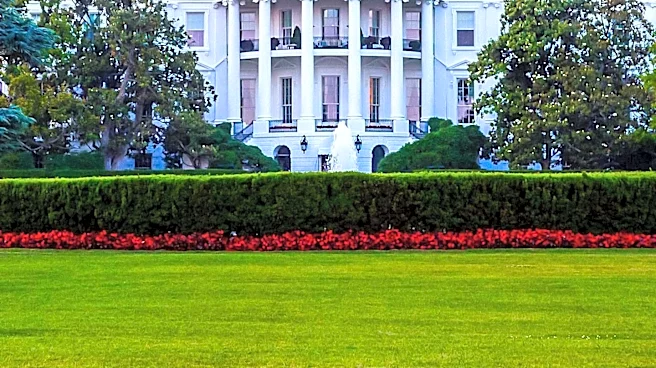
A US appeals court has ordered the Trump administration to stop the construction of a new ballroom at the White House. This decision comes amid legal challenges questioning the necessity and appropriateness of the construction project. The halt reflects
ongoing scrutiny of the administration's decisions regarding modifications to historic government buildings. The court's intervention highlights the legal and procedural hurdles that can arise in federal construction projects, especially those involving iconic landmarks like the White House.
Why It's Important?
The court's decision to halt the construction of a new ballroom at the White House underscores the importance of legal oversight in government projects. It raises questions about the administration's priorities and the use of public funds for such initiatives. This development is significant for public policy and governance, as it reflects the checks and balances inherent in the US legal system. The case also highlights the broader implications of executive decisions on historic preservation and public accountability. For stakeholders, including preservationists and taxpayers, the court's ruling represents a victory in ensuring that government actions are subject to legal scrutiny.