








What's Happening?
Pelvic floor therapy is gaining recognition as a crucial treatment for women experiencing pelvic floor disorders, which affect one in three women in their lifetime. This therapy, often involving physical exercises and personalized care, helps strengthen
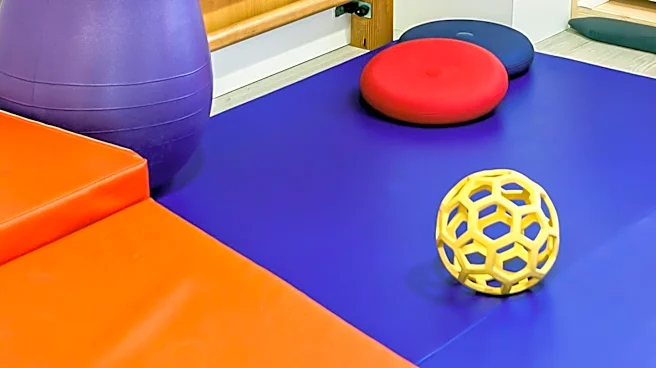
the muscles in the pelvic girdle. Mackenzie Devine, a mother of five, including two sets of twins, highlights the therapy's non-negotiable role in her postpartum recovery, emphasizing its importance for overall confidence in motherhood. Dr. Jessica Hund, founder of The Floor PDX in Lake Oswego, notes that many misconceptions exist about pelvic floor therapy, often reducing it to simple Kegel exercises. However, the therapy involves dynamic system training, focusing on how the pelvic floor involuntarily reacts to daily tasks. Initial assessments typically include an internal examination, but the majority of the treatment involves strength training, often conducted in a gym setting to simulate real-life movements like jumping and landing. The therapy addresses common ailments that are often not openly discussed, such as pain during intimacy or discomfort related to perimenopause.
Why It's Important?
The widespread prevalence of pelvic floor disorders, affecting a significant portion of women, underscores the critical importance of accessible and effective treatments like pelvic floor therapy. These disorders can severely impact a woman's quality of life, affecting daily activities, mental health, and intimate relationships. The connection between pelvic floor health and mental well-being is particularly significant, as issues in this area can lead to feelings of unworthiness, hinder exercise goals, and strain personal relationships. By providing a structured approach to strengthening these vital muscles, therapy can alleviate pain, improve bladder and bowel control, and enhance sexual function. This not only addresses physical symptoms but also contributes to improved self-esteem and overall confidence, especially for new mothers navigating the challenges of postpartum recovery. The increasing recognition and availability of such specialized physical therapy can lead to better health outcomes and a higher quality of life for countless women.
What's Next?
As awareness of pelvic floor disorders and the benefits of therapy grows, it is anticipated that more women will seek and receive this specialized care. The integration of pelvic floor therapy into standard postpartum care and women's health routines could become more common. Dr. Hund emphasizes that it's never too late to seek treatment, whether five months or five years postpartum, suggesting a broader acceptance of the therapy across different life stages. Increased education for both healthcare providers and the public will likely lead to earlier diagnosis and intervention, preventing long-term complications. Furthermore, the potential for insurance coverage, as noted in the source, could make this vital treatment more accessible to a wider population, reducing financial barriers and encouraging more women to prioritize their pelvic health. Continued research and development in therapeutic techniques may also lead to even more effective and personalized treatment plans.
Beyond the Headlines
The societal implications of normalizing discussions around pelvic floor health are profound. Historically, issues related to pelvic health, particularly those affecting women, have been stigmatized and often left unaddressed due to discomfort or embarrassment. The open discussion of conditions like postpartum pain, urinary incontinence, and discomfort during intimacy by professionals like Dr. Hund and individuals like Mackenzie Devine helps to break down these barriers. This shift towards greater transparency can empower women to advocate for their health needs and seek appropriate care without shame. Furthermore, the emphasis on a holistic approach that connects physical pelvic health with mental well-being highlights a broader understanding of health that moves beyond mere symptom management. This integrated perspective acknowledges the complex interplay between physical and emotional health, fostering a more comprehensive and compassionate healthcare environment for women.