






What's Happening?
FinanceBuzz has released a list of U.S. travel destinations that it considers overrated, advising travelers to reconsider these popular spots. The list includes well-known locations such as Disneyland Resort in Anaheim, California, which is cited for being
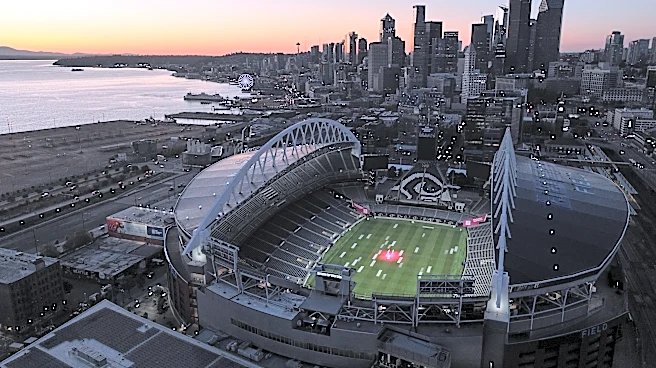
overcrowded, difficult to navigate, and expensive. Key West, Florida, is described as overpriced and potentially unwelcoming due to 'grumpy people overwintering in the area.' South Beach in Miami, Florida, is criticized for being sweltering, crowded, and costly, with beaches often too packed to relax. Times Square in New York City is labeled an 'overstimulating experience' due to flashing lights, crowds, and unsanitary conditions. The Hollywood Walk of Fame in Los Angeles, California, while iconic, is noted for high-priced shops, excessive tourists, and overhyped restaurants. Other destinations on the list include Myrtle Beach, South Carolina, the Las Vegas Strip, Bourbon Street in New Orleans, Louisiana, Fisherman's Wharf in San Francisco, California, the Mall of America in Bloomington, Minnesota, Mount Rushmore in Keystone, South Dakota, the Statue of Liberty in New York City, Niagara Falls, New York, Roswell, New Mexico, the Space Needle in Seattle, Washington, Wall Street in New York City, The Alamo in San Antonio, Texas, Atlantic City Boardwalk in Atlantic City, New Jersey, Yellowstone National Park, Wyoming, and Waikiki Beach in Honolulu, Hawaii. The common themes for these 'overrated' destinations are overcrowding, high costs, commercialization, and a lack of unique or enjoyable experiences beyond initial expectations.
Why It's Important?
This report from FinanceBuzz is important for the U.S. tourism and hospitality industries, as it directly challenges the perceived value and appeal of some of the nation's most iconic and heavily marketed travel destinations. For consumers, it provides an alternative perspective that could influence travel planning and spending, potentially redirecting tourist dollars to less-trafficked or more authentically rewarding locations. Businesses in the listed 'overrated' areas, including hotels, restaurants, and attractions, might face scrutiny or a decline in visitor satisfaction if these perceptions gain traction. Conversely, destinations not on the list, or those offering 'modern amenities, fabulous outdoor experiences, and peace and quiet,' could see an increase in interest. The emphasis on high costs and overcrowding also highlights broader issues within the U.S. travel sector, such as the sustainability of mass tourism and the need for destinations to maintain quality experiences despite high demand. This could prompt local tourism boards and businesses to re-evaluate their offerings and marketing strategies to address visitor concerns about value and authenticity.
What's Next?
In response to such assessments, some of the listed destinations may initiate campaigns to counter the 'overrated' label by highlighting unique aspects, improving visitor experiences, or promoting off-peak travel. Local tourism boards might focus on diversifying attractions beyond the main, often crowded, landmarks. For instance, New York City could emphasize its diverse neighborhoods and cultural institutions beyond Times Square and the Statue of Liberty. Similarly, Los Angeles might promote its natural landscapes and less commercialized cultural sites over the Hollywood Walk of Fame. Businesses in these areas might also explore pricing adjustments or special packages to offer better value to tourists. Travelers, armed with this information, are likely to conduct more thorough research before booking trips, potentially seeking out alternative destinations or less conventional experiences within popular regions. This could lead to a shift in travel patterns, with a greater emphasis on authentic local experiences and less on heavily commercialized tourist traps. The report also implicitly encourages the development and promotion of emerging U.S. travel destinations that offer better value and less congestion.
Beyond the Headlines
The FinanceBuzz report touches upon a deeper cultural shift in travel preferences, moving away from purely iconic landmarks towards more immersive and authentic experiences. The critique of 'overrated' destinations reflects a growing desire among travelers for genuine engagement with local culture, nature, and community, rather than just checking off a list of famous sites. This trend has implications for urban planning and conservation efforts, as destinations grapple with the environmental and social impacts of mass tourism. The report also subtly critiques the commercialization of travel, where the pursuit of profit can sometimes detract from the quality of the visitor experience. This could lead to a re-evaluation of how tourism is managed and marketed in the U.S., potentially fostering a greater emphasis on sustainable tourism practices and the preservation of local character. The discussion around 'overrated' places also highlights the subjective nature of travel satisfaction, underscoring that what one traveler finds disappointing, another might still cherish for its historical or cultural significance, prompting a broader conversation about diverse travel motivations.