





What's Happening?
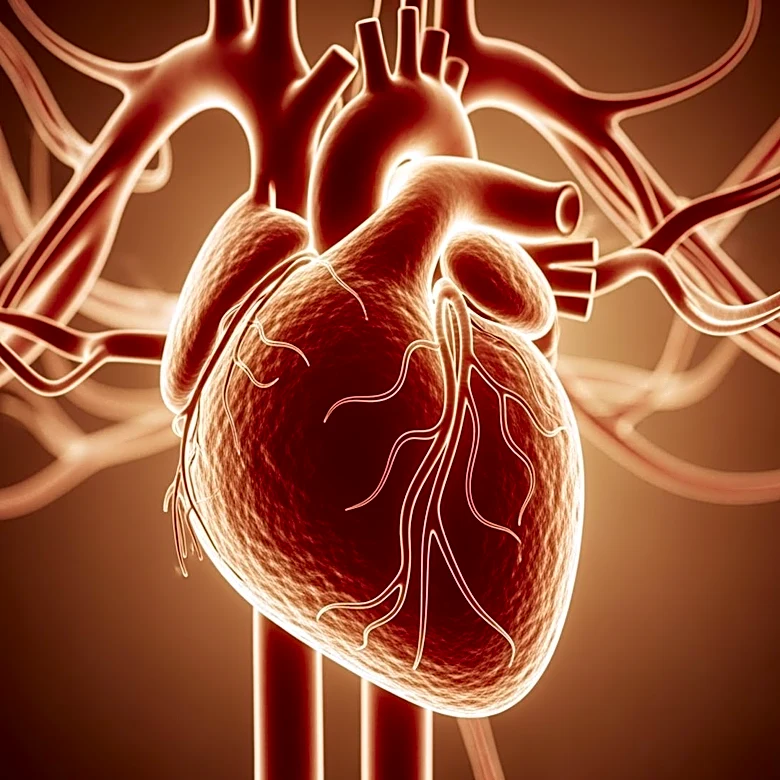
Recent research conducted by scientists from the University of Reading, Harvard Medical School, and the University of California Davis, among others, has identified specific fruits and vegetables that are particularly beneficial for heart health. The
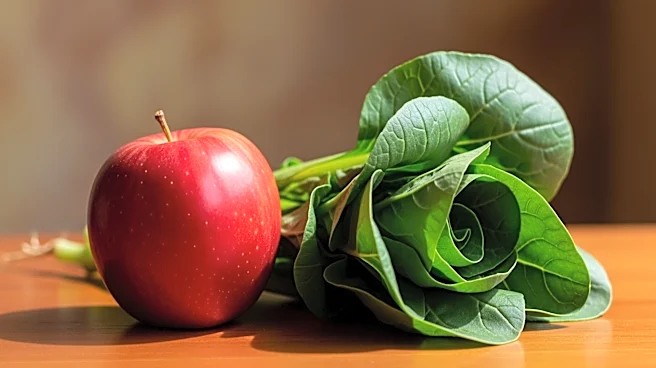
study, published in the journal Food & Function, emphasizes the importance of flavanols, compounds found in certain fruits and vegetables, in reducing the risk of cardiovascular disease. Despite the common recommendation to consume five portions of fruits and vegetables daily, the study found that fewer than one in five people meet the flavanol intake levels necessary to significantly lower heart disease risk. Key foods identified include blueberries, plums, blackberries, and green tea, which are rich in flavanols. The research tracked the diets of over 30,000 participants in the UK and the U.S. using biomarker measurements to assess flavanol intake.
Why It's Important?
This research is significant as it challenges the current dietary guidelines that emphasize quantity over quality in fruit and vegetable consumption. The findings suggest that not all fruits and vegetables offer the same health benefits, particularly concerning heart health. By identifying specific foods that are high in flavanols, the study provides a more targeted approach to dietary recommendations, potentially leading to more effective prevention strategies for cardiovascular diseases. This could influence public health policies and dietary guidelines, encouraging a shift towards more specific nutritional advice. The potential impact is substantial, as cardiovascular disease remains a leading cause of death, and improving dietary habits could reduce healthcare costs and improve quality of life for many individuals.
What's Next?
The study's findings may prompt a review of current dietary guidelines, such as the NHS Eatwell Guide, to incorporate more specific recommendations regarding flavanol-rich foods. Health organizations and policymakers might consider updating public health messages to emphasize the importance of consuming specific fruits and vegetables for heart health. Further research could explore the bioavailability of flavanols in different foods and how cooking or processing affects their health benefits. Additionally, there may be an increased focus on educating the public about the nutritional value of different fruits and vegetables, potentially leading to changes in consumer behavior and food industry practices.
Beyond the Headlines
The research highlights a broader issue in nutritional science: the need to understand the complex interactions between different dietary compounds and their health effects. As our knowledge of nutrition evolves, there is an opportunity to refine dietary guidelines to be more personalized and effective. This could lead to a paradigm shift in how we approach nutrition education and public health strategies, moving away from one-size-fits-all recommendations towards more individualized dietary advice. The study also underscores the importance of interdisciplinary research in addressing public health challenges, combining expertise from nutrition, medicine, and public health to develop comprehensive solutions.