






What's Happening?
The International Monetary Fund (IMF) has increased its 2026 growth forecast for China's economy from 4.4% to 4.6%. This adjustment reflects stronger-than-expected growth in the first quarter, despite challenges such as higher global oil prices and reduced
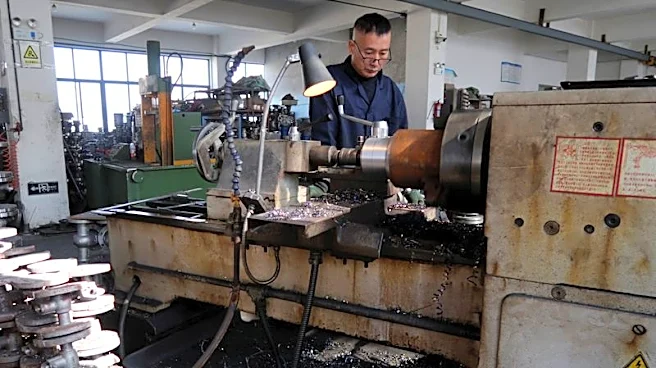
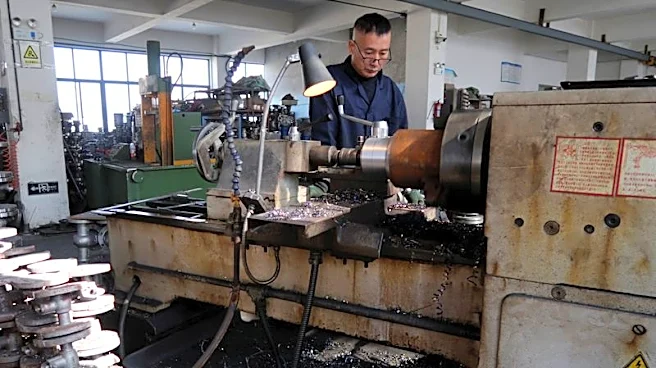
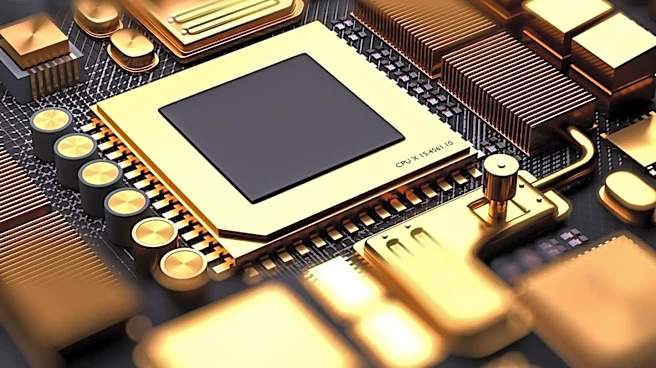
demand from trading partners. The upgrade is attributed to China's industrial advancements and the resilience of its foreign trade. Emerging industries, particularly in computing hardware and artificial intelligence, are seen as key drivers of future growth. The IMF's reassessment highlights China's ability to meet global demand through its comprehensive industrial chain, which is becoming a sustainable growth pillar.
Why It's Important?
The IMF's revised forecast underscores the significance of China's industrial transformation on the global stage. As China continues to enhance its manufacturing capabilities, it positions itself as a major player in the global economy, particularly in high-tech sectors. This shift not only impacts global supply chains but also influences international investment strategies. The focus on AI and high-tech manufacturing suggests a potential shift in economic power, with China becoming a central hub for technological innovation. This could lead to increased competition in global markets and necessitate strategic adjustments by other economies.
What's Next?
China's continued focus on high-tech industries and AI investment is likely to attract further international investment, potentially reshaping global economic dynamics. The country's ability to sustain growth in these sectors will be crucial in maintaining its economic momentum. Additionally, China's policy measures aimed at boosting domestic consumption and expanding new growth drivers will play a significant role in its economic trajectory. As China seeks to balance its industrial growth with domestic demand, the global market will closely watch its policy developments and economic performance.