







What's Happening?
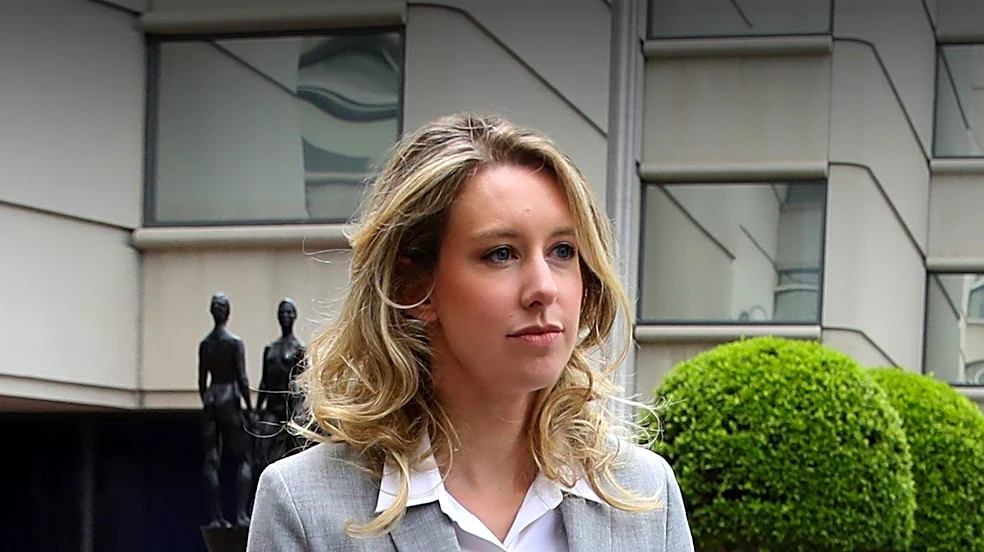
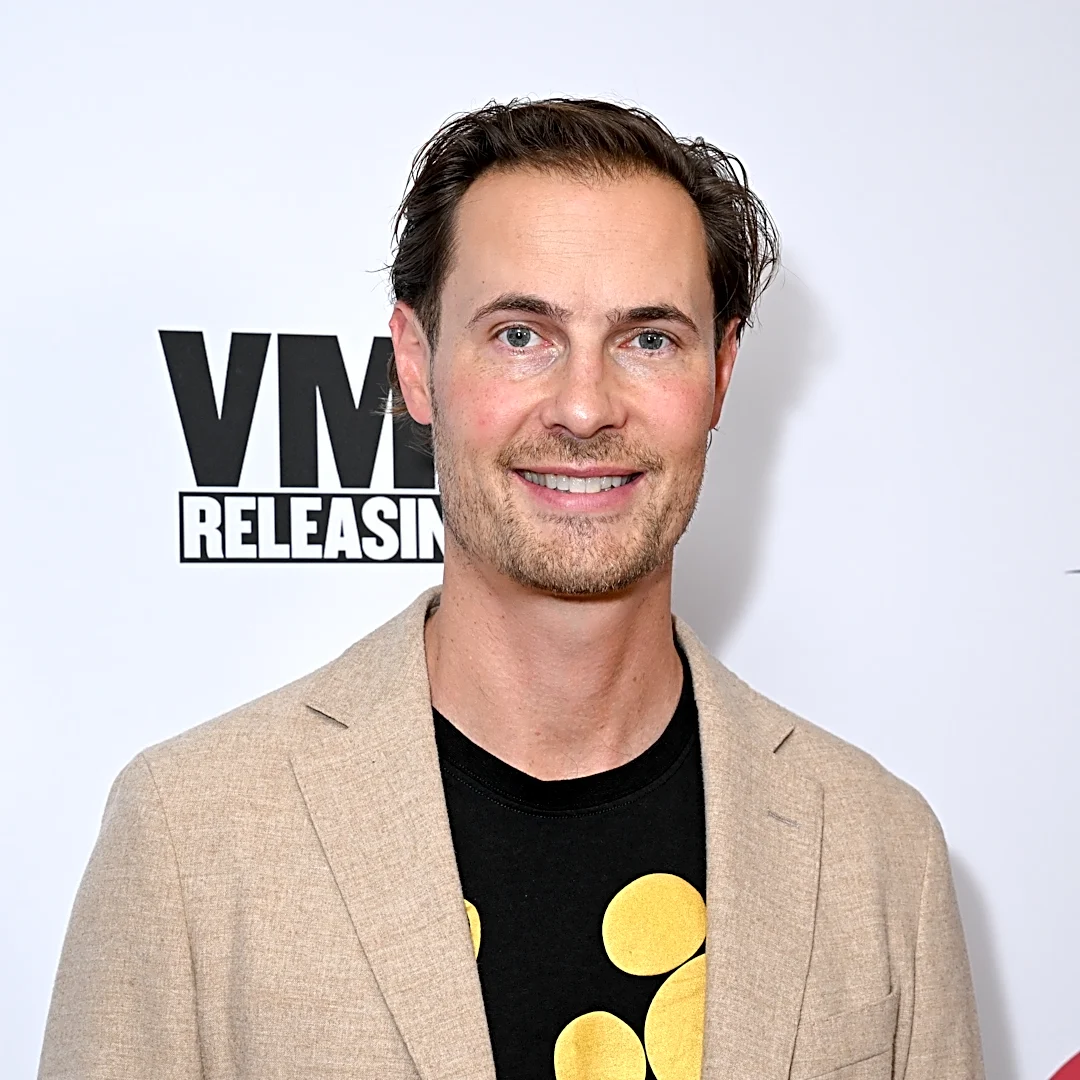
Tyler Shultz, a former Theranos employee and key whistleblower, has publicly stated that Elizabeth Holmes, the disgraced founder of Theranos, is a "victim" in an "abusive relationship" with her partner, Billy Evans. This assertion was made during an appearance
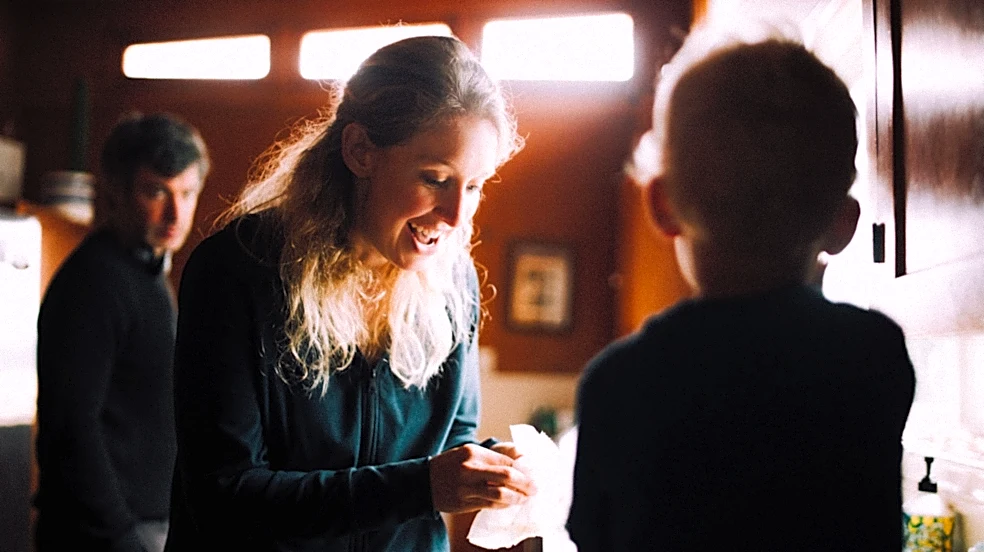
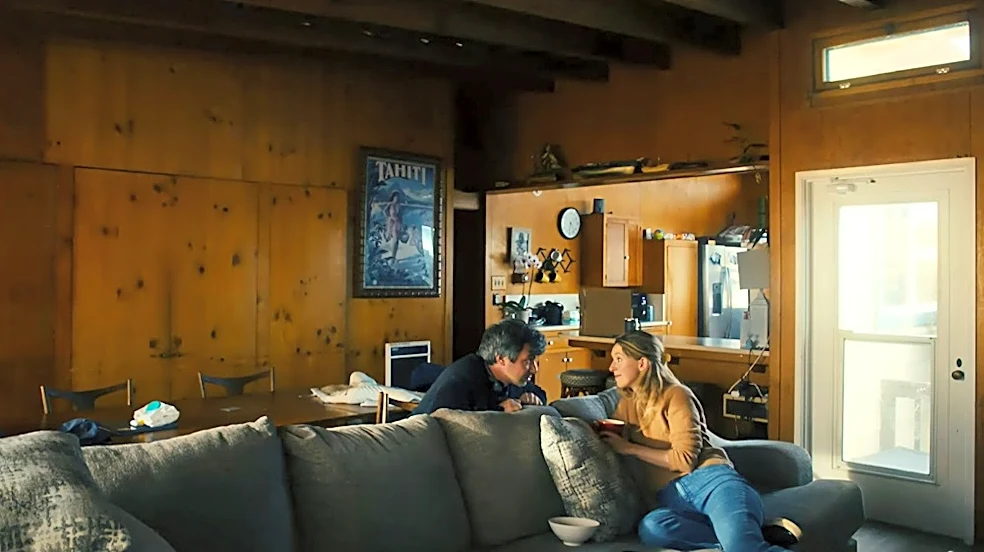
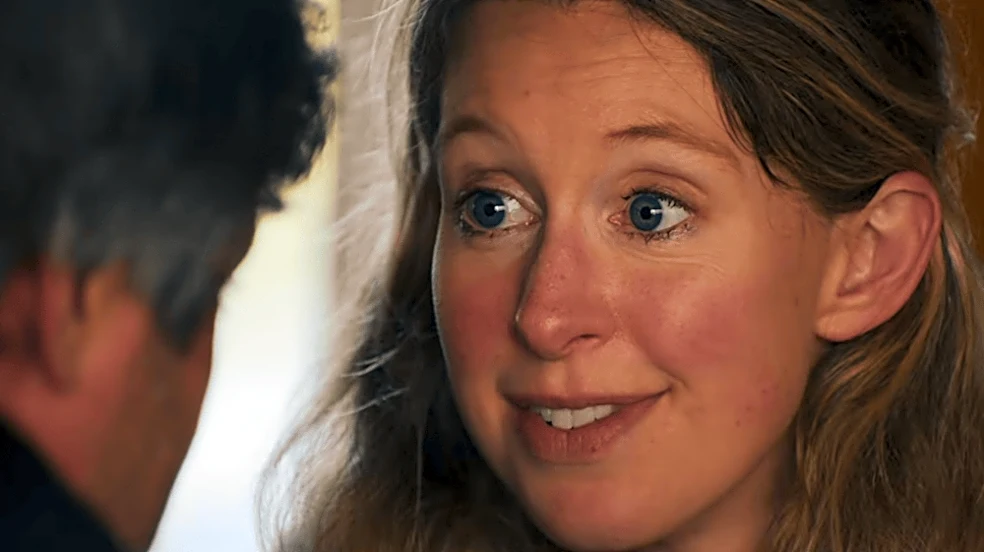
on "CBS Mornings" following the release of the documentary "You Can See Everything." Shultz, who was instrumental in exposing Theranos's fraudulent practices, described the Holmes he saw in the documentary as a "broken woman," a stark contrast to the confident individual he knew at the company. The documentary itself portrays Evans as increasingly controlling and manipulative, attempting to negotiate with filmmakers without Holmes's knowledge and admitting to operating her Twitter account. Shultz's comments highlight a complex narrative surrounding Holmes, suggesting that while she is culpable for her actions at Theranos, her current personal circumstances may involve a coercive dynamic.
Why It's Important?
This development adds a significant layer of complexity to the public perception of Elizabeth Holmes and the Theranos scandal. Shultz's statement, coming from someone who directly experienced Holmes's deception, introduces a new dimension to her story beyond her criminal conviction for defrauding investors. It raises questions about the nature of victimhood and culpability, particularly in high-profile cases where public opinion is often firmly established. The allegations of an abusive relationship could influence how the public and legal observers view Holmes's current situation and her future. Furthermore, it underscores the power dynamics within personal relationships, even for individuals facing severe legal consequences, and prompts a re-evaluation of the narratives surrounding such figures.
What's Next?
The allegations of an abusive relationship could prompt further scrutiny into Billy Evans's role and influence over Elizabeth Holmes, particularly as she prepares for imprisonment. While these claims are unlikely to alter her legal standing or conviction, they may generate public discussion and media interest in the dynamics of their relationship. It remains to be seen if Holmes herself will address these claims or if any official bodies will investigate the allegations of abuse. The documentary "You Can See Everything" has already sparked considerable debate, and Shultz's comments will likely fuel further conversations about Holmes's portrayal and the broader themes of manipulation and control explored in the film. Public and media reactions will likely continue to evolve as more details or perspectives emerge.
Beyond the Headlines
The assertion that Elizabeth Holmes is in an abusive relationship delves into the ethical and psychological complexities of victimhood and accountability. It challenges the often-simplistic public narratives surrounding individuals convicted of white-collar crimes, suggesting that personal circumstances can be far more intricate than they appear. This situation highlights the difficulty in reconciling a person's criminal actions with potential personal vulnerabilities. It also raises broader questions about how society perceives and treats individuals who are both perpetrators and potential victims. The case could spark discussions on the intersection of criminal justice, mental health, and domestic dynamics, urging a more nuanced understanding of human behavior beyond legal judgments. It underscores that even in cases of significant public harm, the personal lives of those involved can contain hidden complexities.