




What's Happening?
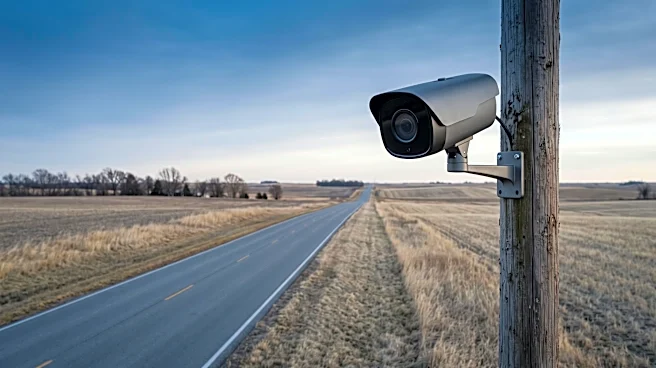
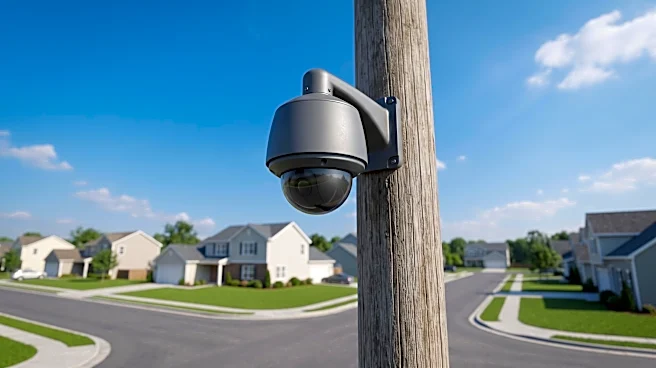
South Carolina is experiencing a growing backlash against the widespread use of Automatic License Plate Readers (ALPRs), commonly known as Flock cameras, despite their increasing deployment by law enforcement agencies. These AI-driven cameras continuously
record and store vehicle movements, providing police with near real-time data on suspects, stolen vehicles, and missing persons. However, concerns about privacy and potential misuse have led to incidents of vandalism across the state, with cameras being damaged in multiple counties. Critics, including the ACLU South Carolina, argue that ALPRs are susceptible to abuse, citing instances of officers allegedly using them to track protesters, political opponents, and even domestic partners. Flock Safety, the primary provider, denies creating a national surveillance database and is implementing new security features, such as an Audit Assistance tool, to prevent misuse.
Why It's Important?
The debate over ALPR cameras in South Carolina highlights a critical tension between public safety and individual privacy rights in the digital age. For law enforcement, these cameras are seen as invaluable 'force multipliers,' particularly for rural agencies with limited personnel, enabling them to cover vast areas and solve crimes more efficiently. However, for civil liberties advocates and a growing segment of the public, the ubiquitous surveillance capabilities of ALPRs represent a significant threat to personal freedom and the potential for government overreach. The lack of statewide laws governing ALPRs in South Carolina, including data retention limits or penalties for misuse, exacerbates these concerns, creating a regulatory vacuum where technology outpaces legal safeguards. This situation could set precedents for how other states approach similar surveillance technologies, impacting the balance of power between citizens and the state.
What's Next?
The controversy surrounding ALPR cameras in South Carolina is expected to intensify, with local communities and civil liberties groups pushing for greater oversight and regulation. Oconee County is already considering defunding its Flock camera service, which could set a precedent for other counties. This local-level action is seen by the ACLU as crucial for reining in the technology. Lawmakers may face increasing pressure to introduce statewide legislation to establish clear guidelines for ALPR use, data retention, and accountability measures to prevent misuse. Companies like Flock Safety will likely continue to roll out enhanced security features and audit tools to address privacy concerns, but public trust remains a significant hurdle. The outcome of these debates in South Carolina could influence national discussions on surveillance technology and privacy rights.
Beyond the Headlines
The ALPR camera debate in South Carolina delves into deeper societal implications regarding the nature of surveillance in a democratic society. The 'undefined dread' initially associated with pervasive cameras has evolved into tangible concerns following reports of misuse, striking a nerve with the American cultural value of freedom and resistance to being constantly watched. This technological advancement, moving faster than legal frameworks, creates a 'mismatch' where powerful tools lack adequate oversight and guardrails. The issue extends beyond law enforcement, touching upon the contracts written by technology companies that often grant them maximal access to data, potentially for AI training or other uses. This raises ethical questions about data ownership, corporate responsibility, and the potential for a 'Big Brother' scenario if not properly regulated. The public's engagement in local governance, as seen in Oconee County, underscores the importance of citizen participation in shaping policies that balance security with fundamental rights.