






What's Happening?
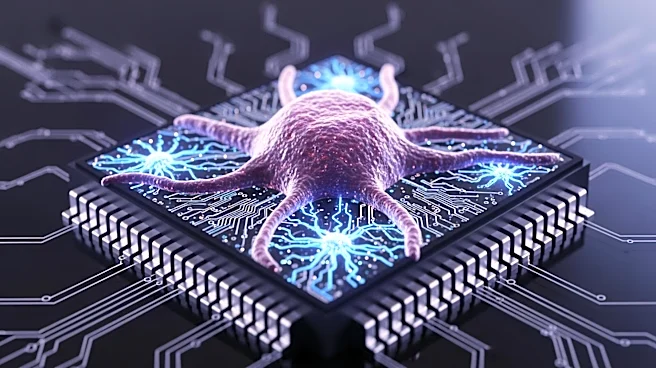
Biorobotics, an intersection of computational biology and engineering, is making significant strides with innovations like biohybrid robots and bioinspired artificial eyes. Recent developments include OstraBot, a biohybrid robot powered by lab-grown muscles,
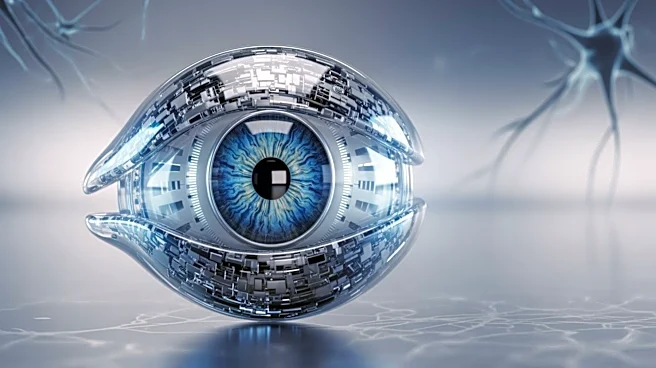
which has set a new speed record. Additionally, researchers have created a robotic eye that can adjust its pupil size in response to light, mimicking natural eye functions. These advancements highlight the potential of biorobotics in various applications, from environmental monitoring to medical devices.
Why It's Important?
The advancements in biorobotics have the potential to transform multiple industries. The development of biohybrid robots like OstraBot could lead to more efficient and sustainable robotic systems, useful in environmental monitoring and medical applications. The artificial eye's ability to adapt to light conditions could improve machine vision systems, enhancing technologies in autonomous vehicles and surveillance. These innovations demonstrate the potential for biorobotics to address complex challenges by integrating biological principles with engineering, paving the way for more adaptive and efficient technologies.