

What's Happening?
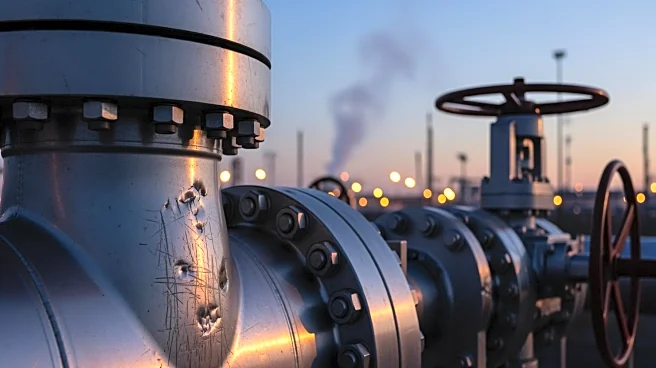
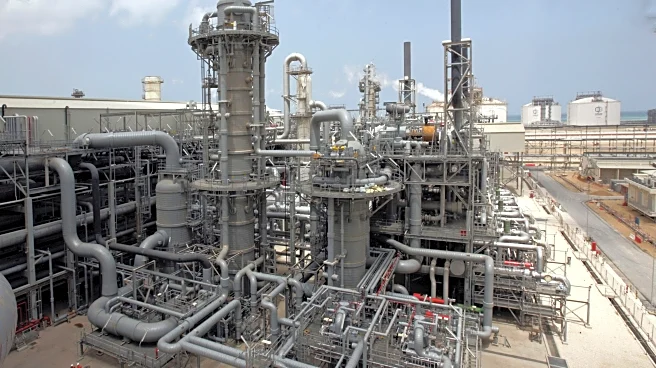
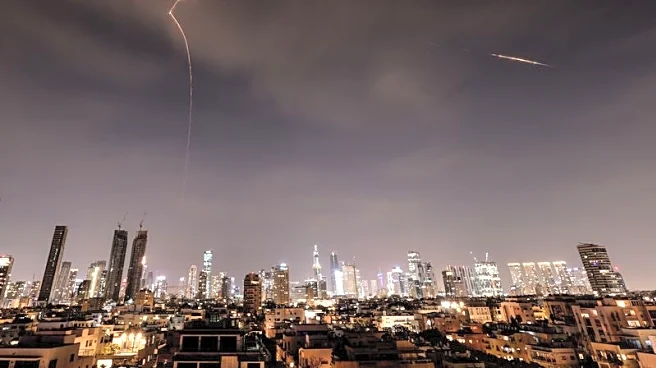
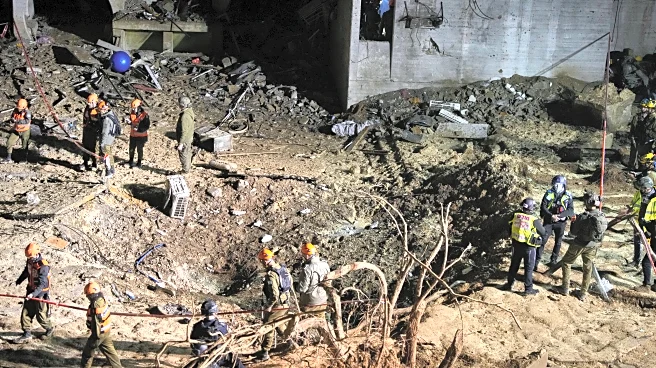
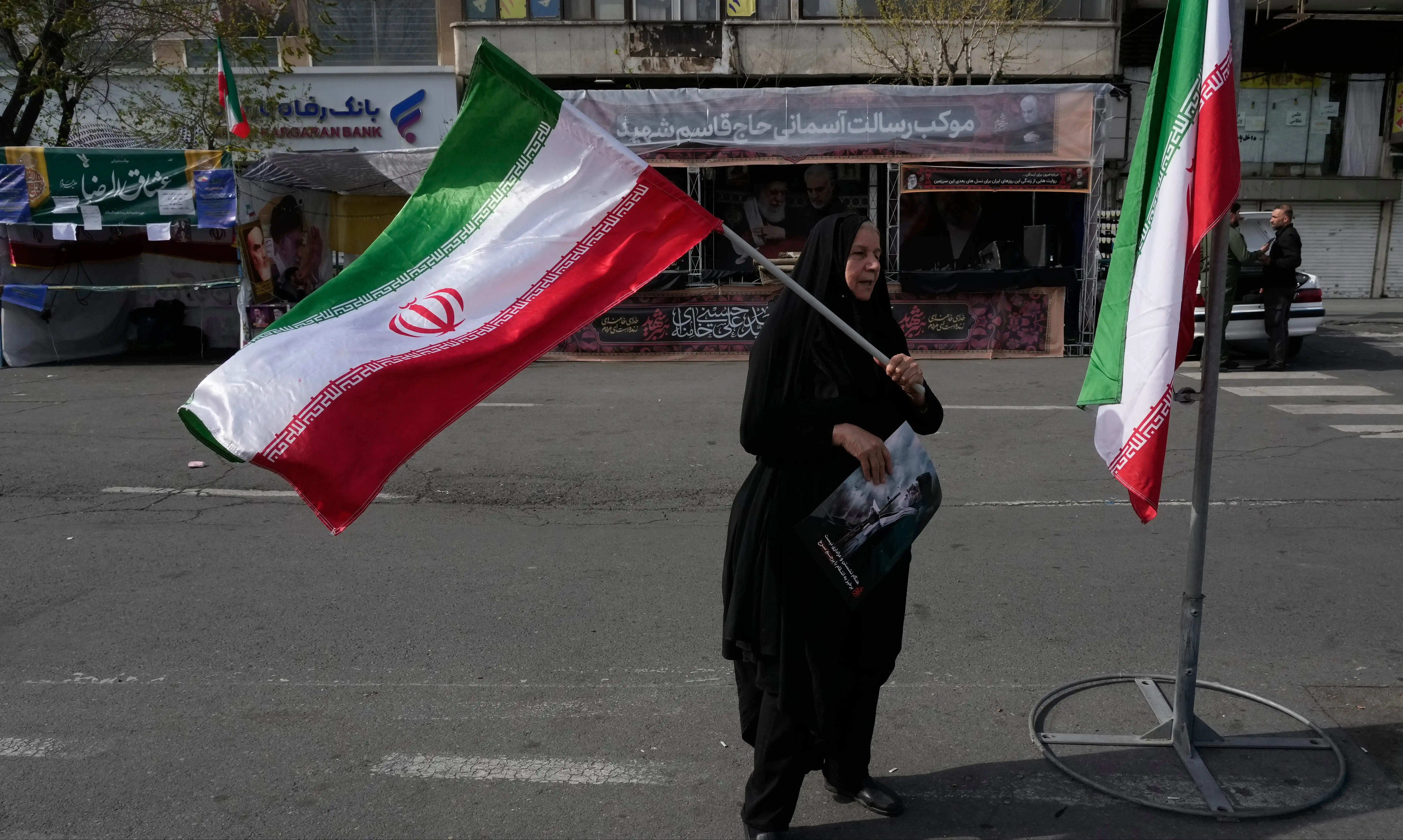
Iran's recent military actions against Qatar's natural gas export facilities have significantly disrupted the global helium supply chain. Qatar, which provides about a third of the world's helium, has halted production due to the conflict, leading to a 14%
reduction in helium exports. Helium is crucial for various industries, including semiconductor manufacturing, space exploration, and medical imaging. The disruption has already caused helium spot prices to double, with further increases expected. The shortage is anticipated to impact industries reliant on helium for cooling processes, particularly in semiconductor manufacturing, where no viable alternative exists.
Why It's Important?
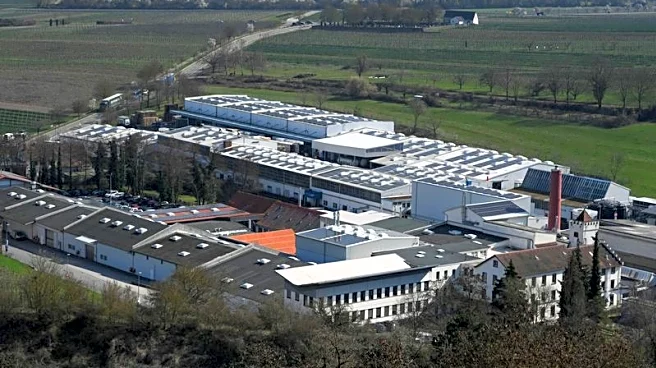
The helium shortage poses a significant threat to industries that rely on it for critical processes. Semiconductor manufacturers, particularly in Asia, are vulnerable due to their heavy reliance on Qatari helium. The shortage could lead to increased production costs and potential delays in chip manufacturing, affecting the global supply chain. Additionally, the medical and space industries may face challenges in maintaining operations without a steady helium supply. The situation underscores the fragility of global supply chains and the potential for geopolitical conflicts to disrupt essential resources.
What's Next?
As the conflict continues, industries are likely to seek alternative helium sources to mitigate the impact. The United States, as a major helium producer, may play a crucial role in stabilizing the supply chain. Companies may also explore technological innovations to reduce helium dependency or improve efficiency. The situation highlights the need for diversified supply chains and strategic reserves to buffer against geopolitical disruptions. Stakeholders will closely monitor developments in the region and adjust their strategies accordingly.