


What's Happening?
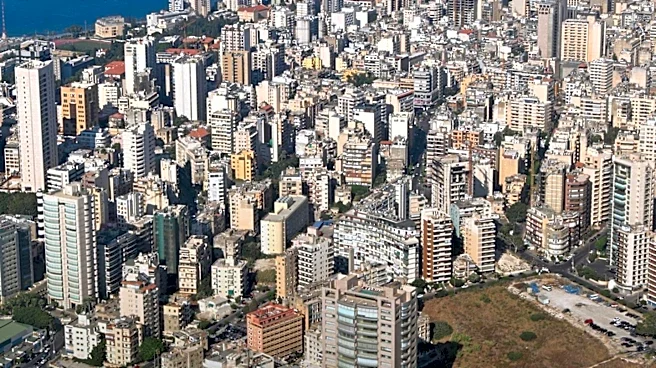
Turkey has been increasing its humanitarian and military aid to Lebanon, aiming to strengthen its influence in the region. This includes providing medical programs, support to Palestinian refugee camps, and agricultural projects through TIKA, Turkey's
official aid agency. Recently, Turkey delivered over 280 tons of meat to support approximately 140,000 families in Beirut. Additionally, Turkey has been involved in military cooperation with Lebanon, providing spare parts, ammunition, and food supplies to Lebanese security forces. This expansion of aid and military support is part of Turkey's broader strategy to enhance its regional presence, as stated by President Recep Tayyip Erdogan, who emphasized Turkey's security interests extending to Damascus and Beirut.
Why It's Important?
Turkey's growing involvement in Lebanon is significant as it reflects Ankara's strategic ambitions in the Middle East. By bolstering its humanitarian and military presence, Turkey aims to position itself as a key player in regional stability. This move could potentially shift power dynamics, especially concerning Israel, which views Turkey's ties with organizations it considers terrorist groups as a threat. The aid efforts also highlight Turkey's attempt to fill the void left by other international actors, thereby increasing its geopolitical influence. For Lebanon, this support is crucial amid its ongoing economic crisis, providing much-needed resources and stability.
What's Next?
Turkey's continued aid and military support to Lebanon may lead to further diplomatic engagements and collaborations, particularly in emergency response and reconstruction projects. However, this growing influence might provoke reactions from other regional powers, including Israel, which may seek to counterbalance Turkey's presence. The international community will likely monitor these developments closely, as they could impact broader Middle Eastern geopolitics and alliances.
Beyond the Headlines
Turkey's involvement in Lebanon raises questions about the ethical implications of its partnerships, especially with organizations like the Turkish Humanitarian Relief Foundation, which Israel accuses of supporting Hamas. This situation underscores the complex interplay between humanitarian aid and political agendas, where aid can be used as a tool for expanding influence. The long-term impact of Turkey's actions could lead to shifts in regional alliances and affect the balance of power in the Middle East.