





What's Happening?
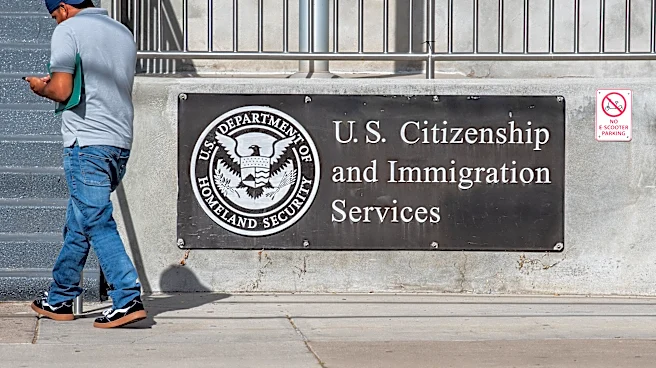
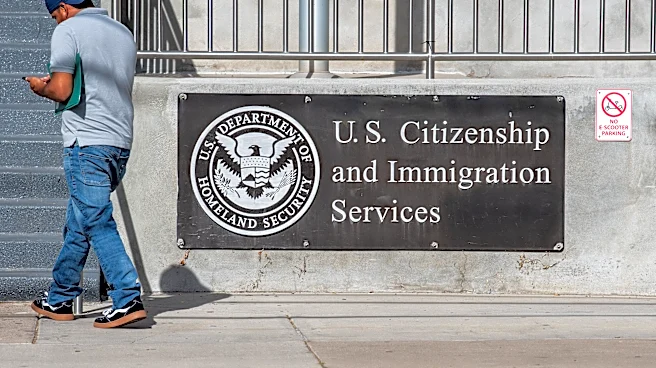
The Department of Homeland Security (DHS) has proposed a rule change that would eliminate the requirement for U.S. Citizenship and Immigration Services (USCIS) to defer to prior approvals when processing extensions for H-1B and other I-129 nonimmigrant
worker petitions. This proposed change, titled 'Removing Deference to Prior USCIS Determinations of Eligibility,' was published on October 14, 2026, and public comments are due by November 13, 2026. Currently, USCIS officers are instructed to defer to previous decisions for the same employer, worker, and job unless there's a material error, a material change in circumstances, or new adverse information. The proposed rule would delete this instruction, meaning each extension would be reviewed as if it were a new application. DHS estimates this change would affect approximately 208,429 petitions annually, with H-1B petitions constituting over 75% of all I-129 filings. The agency justifies this by stating that the current deference shifts the burden of proof from the petitioner to the officer, discourages RFEs, and allows questionable initial approvals to become anchors for subsequent filings.
Why It's Important?
This proposed rule change carries significant implications for U.S. businesses and foreign workers, particularly those in the H-1B program. The elimination of deference could lead to increased requests for evidence (RFEs) for routine extensions, even when circumstances remain unchanged. This, in turn, is expected to prolong processing times for these petitions. Longer processing times could create uncertainty for H-1B workers, potentially impacting their ability to travel internationally for visa stamping or personal emergencies, as they often wait for extension approvals before leaving the country. Small businesses, which constitute a significant portion of H-1B employers, could face increased administrative burdens and costs. The rule could disproportionately affect Indian professionals, who account for a large majority of H-1B approvals. While DHS claims the change aims to improve program integrity and ensure the burden of proof remains with the petitioner, its own data indicates that denial rates did not statistically differ between periods with and without deference, suggesting the primary impact will be an increase in RFEs and processing delays rather than a reduction in approvals.
What's Next?
The public comment period for this proposed rule is open until November 13, 2026. Following this period, DHS will review the submitted comments before deciding whether to finalize the rule as proposed. If the rule is finalized, the current deference regulation will remain in effect until the new rule takes effect. Stakeholders, including businesses, immigration attorneys, and affected workers, are encouraged to submit comments to regulations.gov under docket USCIS-2026-0529. The outcome of this proposal will determine the future process for extending nonimmigrant worker visas, potentially leading to a more rigorous and time-consuming review for many H-1B and other I-129 visa holders and their employers.
Beyond the Headlines
The proposed change reflects a broader trend in U.S. immigration policy towards increased scrutiny and stricter enforcement, particularly concerning temporary worker programs. While framed as a measure to ensure program integrity, the elimination of deference could be perceived as adding unnecessary hurdles to a system already criticized for its complexity and delays. This move could also signal a shift in how the government views the balance between facilitating skilled labor and maintaining strict control over immigration. The potential for increased RFEs and longer processing times could deter some highly skilled foreign professionals from seeking or extending employment in the U.S., potentially impacting the competitiveness of U.S. industries that rely on this talent. The debate around this rule highlights the ongoing tension between economic needs for skilled labor and concerns about immigration control and administrative efficiency.