




What's Happening?
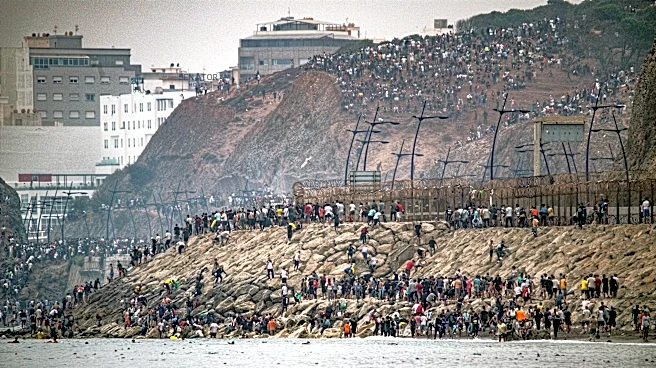
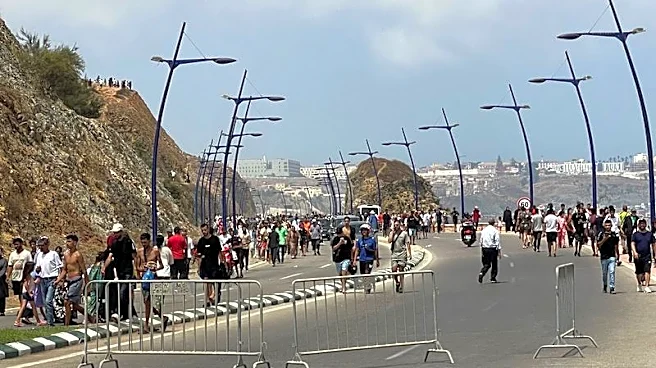
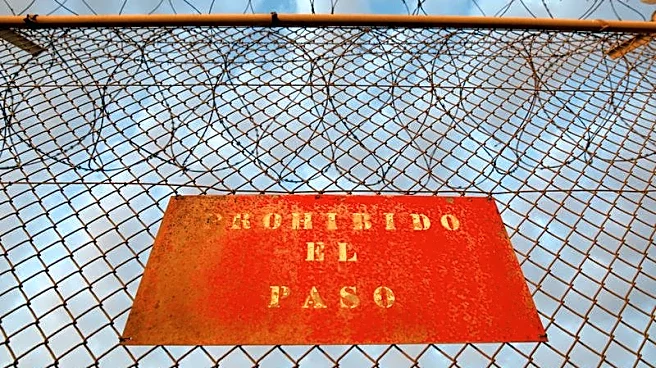
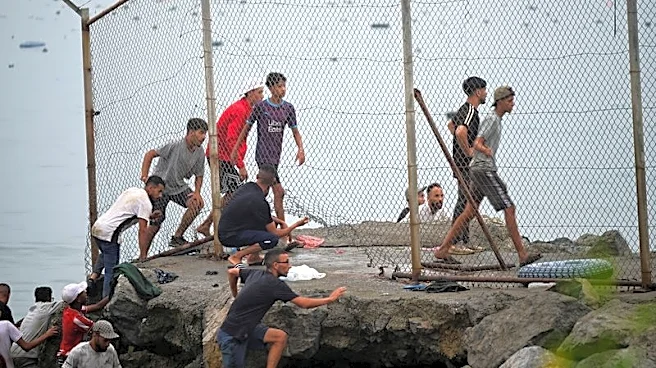
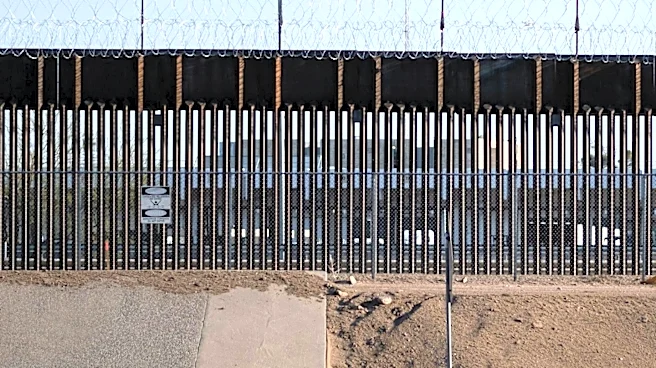
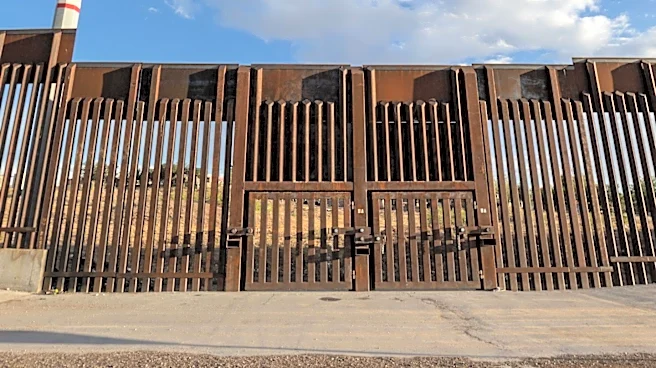
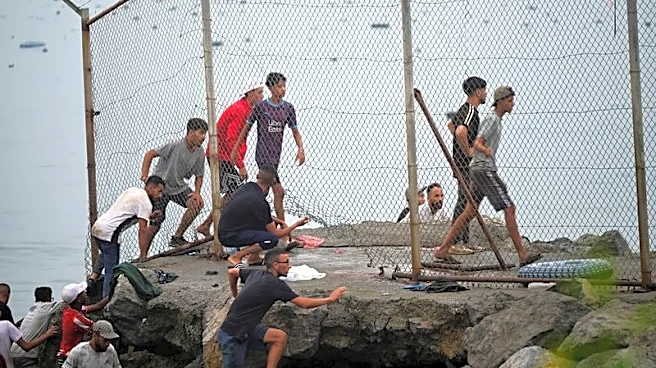
Spain has installed a 1,600-foot sea barrier on the border between its North African territory of Ceuta and Morocco. This action follows a recent surge where tens of thousands of migrants attempted to cross into Ceuta, resulting in at least 67 deaths.
The sudden influx of migrants has reignited debates on immigration policies within the European Union. Spanish Prime Minister Pedro Sánchez criticized calls for Spain's suspension from the EU's Schengen zone, emphasizing the need for a coordinated EU response to migration challenges.
Why It's Important?
The installation of the sea barrier highlights the ongoing challenges faced by European countries in managing migration flows. The humanitarian crisis in Ceuta underscores the need for comprehensive immigration policies that balance security concerns with humanitarian obligations. Spain's actions and the EU's response could set precedents for how similar situations are handled in the future. The incident also reflects broader geopolitical tensions and the complexities of border management in regions with high migration pressures.
What's Next?
The European Union is expected to hold urgent talks to develop a coordinated response to the situation in Ceuta. Spain's government will likely continue to engage with Morocco to manage border security and migration flows. The incident may prompt EU member states to reassess their immigration policies and border security measures. Additionally, there could be increased diplomatic efforts to address the root causes of migration from North Africa to Europe.