



What's Happening?
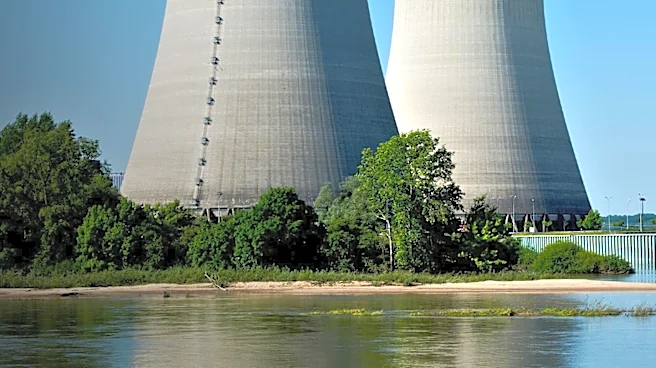
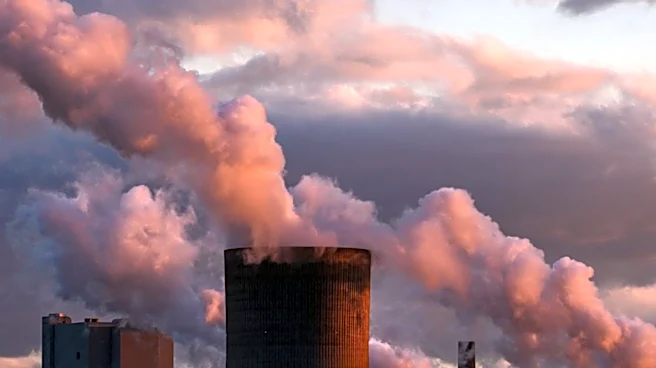
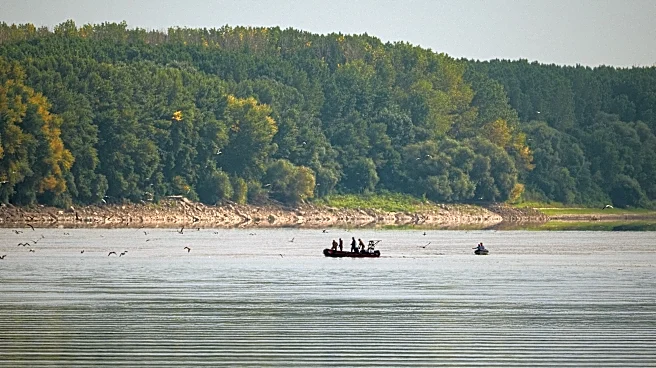
Hungarian Prime Minister Péter Magyar faces a significant challenge as an energy crisis looms due to the partial shutdown of the Paks Nuclear Power Plant. Record-low water levels in the Danube, essential for cooling the plant, have forced all but one
reactor offline. The potential for a complete shutdown threatens electricity supply during peak summer demand. Magyar's government is responding by increasing output from other power plants, boosting electricity imports, and encouraging voluntary consumption cuts.
Why It's Important?
The crisis tests the new Hungarian government's ability to manage a critical situation and maintain public confidence. The shutdown of a major power source highlights vulnerabilities in energy infrastructure and the impact of environmental factors on energy security. The situation also presents political challenges, as opposition parties use the crisis to question the government's competence. The outcome could influence public perception of Magyar's leadership and the government's ability to handle future crises.
What's Next?
The Hungarian government is implementing contingency plans to manage the energy shortfall, including potential industrial consumption limits. The situation requires coordinated action and cooperation to prevent widespread blackouts. The crisis also presents an opportunity for the government to demonstrate effective crisis management and strengthen public trust. Long-term solutions may involve infrastructure investments to enhance energy resilience and reduce dependency on vulnerable power sources.