



What's Happening?
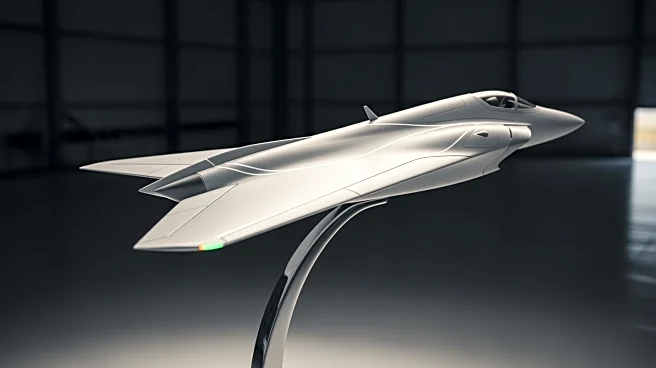
The Eurofighter consortium, in collaboration with the NATO Eurofighter and Tornado Management Agency (NETMA), has announced the development, testing, and certification of the Aerodynamic Modification Kit (AMK) for the Eurofighter Typhoon combat aircraft.
This initiative, revealed on February 5, aims to facilitate the faster integration of new weapons and certification of new external loads. The consortium partners, including Germany (Airbus), Italy (Leonardo), Spain (Airbus), and the UK (BAE Systems), are looking to extend the operational life of the Eurofighter into the 2060s. The AMK is designed to enhance the aircraft's maneuverability and dogfighting capabilities, while also enabling it to carry a broader range of air-to-air and air-to-surface weaponry. Although the contract value and timeline for operational fielding were not disclosed, the announcement suggests potential interest from Germany as part of its Eurofighter Elektronischer Kampf (EK) electronic attack program.
Why It's Important?
The development of the Aerodynamic Modification Kit represents a significant advancement in military aviation technology, potentially extending the operational capabilities of the Eurofighter Typhoon. By enhancing the aircraft's ability to integrate new weapons systems, the AMK could provide strategic advantages in air combat scenarios, particularly in terms of maneuverability and versatility. This development is crucial for maintaining the Eurofighter's competitiveness in the global defense market, as it allows for the adaptation to evolving military needs and threats. The potential interest from Germany highlights the strategic importance of the AMK in national defense programs, which could influence procurement decisions and defense spending priorities across Europe.
What's Next?
While no partner or export customers have committed to the AMK package yet, the reference to future anti-radar missiles suggests that further developments in electronic warfare capabilities may be on the horizon. The Eurofighter consortium and NETMA will likely continue to engage with potential customers to secure commitments for the AMK, which could lead to further enhancements and modifications based on customer feedback and operational requirements. The success of this initiative could also prompt other nations to consider similar upgrades for their combat aircraft fleets, potentially leading to increased collaboration and joint development efforts within the defense sector.