
What's Happening?
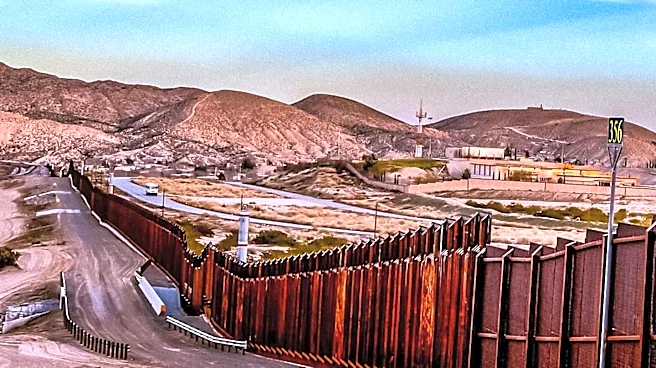
Hundreds of Texans gathered at the annual public hearing of the Texas Parks and Wildlife Commission (TPWC) in Austin to voice strong opposition to the potential construction of border barriers through state park properties, particularly in the Big Bend
region. Despite border barriers not being on the official agenda, 99 individuals signed up to speak, with the vast majority expressing concerns about the environmental and recreational impact of such construction. Citizens displayed signs and chanted slogans like 'No wall, no wire, no way,' emphasizing their desire to protect natural landscapes. While Customs and Border Protection (CBP) has paused construction in Big Bend National Park, plans for Big Bend Ranch State Park and Black Gap Wildlife Management Area remain unclear, with CBP providing limited and changing information. Speakers included river guides, former park superintendents, and organizers from groups like 'No Big Bend Wall,' highlighting the bipartisan nature of the opposition.
Why It's Important?
The public outcry underscores a significant conflict between federal border security initiatives and state-level conservation efforts, impacting Texas's natural heritage and recreational lands. The potential construction of border barriers in areas like Big Bend Ranch State Park and Black Gap Wildlife Management Area threatens unique ecosystems, wildlife habitats, and public access to outdoor spaces. This issue is particularly critical for the Big Bend region, known for its remote beauty and biodiversity, and for Seminole Canyon State Park, which holds significant archaeological sites. The involvement of various stakeholders, from environmentalists to hunters and local residents, demonstrates the broad concern over the long-term ecological and cultural consequences. The situation also highlights the challenges states face in influencing federal decisions that directly affect their land and resources, especially when information from federal agencies is inconsistent or limited.
What's Next?
The Texas Parks and Wildlife Commission, whose members are appointed by Governor Abbott, has acknowledged the public's concerns. Chair Paul Foster stated that the agency agrees with most of the public and is working with the governor's office and the federal government to minimize damage to the ecosystem and natural beauty of the affected areas. This suggests ongoing negotiations and advocacy efforts between state and federal entities. Public pressure is likely to continue, with groups like 'No Big Bend Wall' aiming to amplify their voices to state leadership. The lack of clear information from Customs and Border Protection means that the exact future of border barrier construction in these state parks remains uncertain, and further updates from CBP or the governor's office will be crucial in determining the next steps.
Beyond the Headlines
This issue transcends immediate environmental concerns, touching upon fundamental questions of land stewardship, federal versus state authority, and the balance between national security and conservation. The debate over border barriers in Texas parks reflects a broader national conversation about how to manage shared natural resources in the face of evolving geopolitical and security challenges. It also brings to light the cultural significance of these landscapes, not just for recreation but as repositories of history and natural heritage, as exemplified by the ancient rock art in Seminole Canyon State Park. The bipartisan opposition suggests a potential for common ground on conservation issues, even amidst politically charged topics like border security. The outcome in Texas could set precedents for how similar conflicts are resolved in other states with shared borders and valuable natural assets.