





What's Happening?
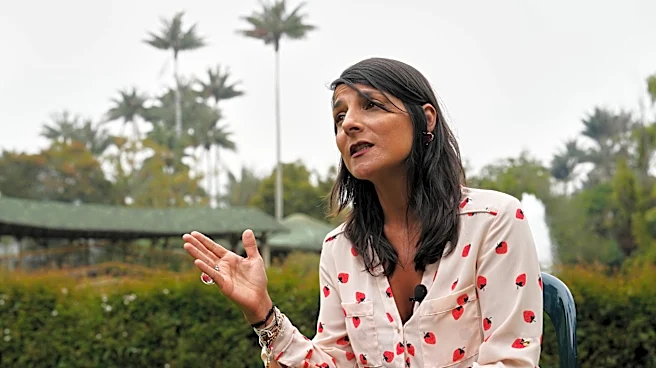
Benjamin Santer, a prominent climate scientist, has criticized a U.S. Department of Energy (DOE) report for misrepresenting his research on climate change. The report, published in July 2025, was developed by the 2025 Climate Working Group and aimed to
assess the impacts of greenhouse gas emissions on the U.S. climate. Santer, whose work has been pivotal in identifying human influences on global warming, claims the report's conclusions contradict his findings. The report suggests that carbon dioxide-induced warming is less economically damaging than believed and that aggressive mitigation strategies could be harmful. It has faced backlash from the scientific community, with 85 climate experts critiquing it for misrepresenting climate science. A lawsuit by advocacy groups led to a court ruling that the DOE acted illegally by not following transparency rules, although the report remains usable by the U.S. Environmental Protection Agency.
Why It's Important?
The controversy surrounding the DOE report highlights the ongoing debate over climate change policy in the U.S. The report's conclusions, which downplay the economic impact of carbon emissions and question the benefits of mitigation strategies, could influence U.S. environmental regulations. This is significant as it may affect the country's approach to addressing climate change, potentially impacting global efforts to reduce greenhouse gas emissions. The scientific community's strong opposition underscores the importance of accurate representation of climate science in policy-making. The legal challenges and subsequent court ruling emphasize the need for transparency and adherence to scientific standards in government reports.
What's Next?
The disbandment of the Climate Working Group following the court ruling may lead to changes in how future climate reports are developed. The scientific community is likely to continue advocating for accurate representation of climate science in policy decisions. The Trump administration's actions, such as revoking the 2009 endangerment finding, suggest a continued rollback of environmental regulations, which could face further legal challenges. The ongoing debate may influence future U.S. climate policies and international climate agreements.