
What's Happening?
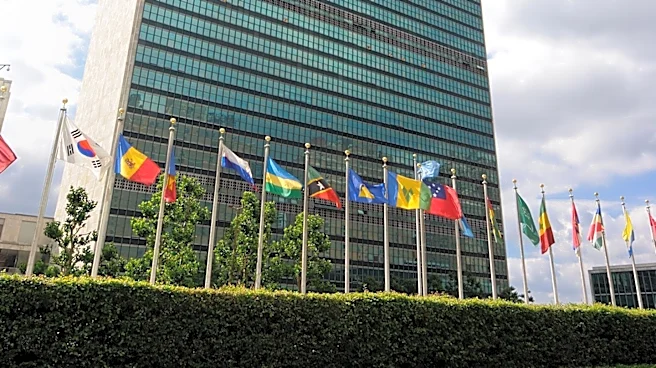
The United Nations has welcomed Libya's recent legislative changes that criminalize the military conscription and involvement of minors in military operations. On November 2, Libya's House of Representatives officially adopted amendments to Law No. 40
of 1974 on Service in the Armed Forces and Law No. 21 of 1991 on Mobilization. These amendments explicitly prohibit the recruitment of individuals under 18 years of age and their direct or indirect participation in military activities. Furthermore, the new laws establish criminal liability for anyone involved in the recruitment or use of minors in such operations, with penalties including up to ten years' imprisonment through an amendment to the Penal Code. This development addresses long-standing concerns, as previous laws had allowed 17-year-olds to participate in combat, and reports indicated that children in Libya faced significant risks of violence, abuse, and exploitation, with some being recruited into armed conflict.
Why It's Important?
These new laws represent a significant step forward for child protection in Libya and demonstrate the country's commitment to international obligations, particularly the UN Convention on the Rights of the Child and its Optional Protocol on the involvement of children in armed conflict. The criminalization of child recruitment provides a legal framework to deter and punish those who exploit minors in conflict, potentially reducing the number of children exposed to the horrors of war. This move could also help stabilize communities by removing a source of vulnerability and trauma for young people. For international human rights organizations, it offers a crucial tool for advocacy and accountability. The establishment of clear penalties underscores the seriousness with which Libya is now addressing this issue, aligning its legal framework with global standards for the protection of children in armed conflict.
What's Next?
The immediate next step involves the effective implementation and enforcement of these new laws across Libya. This will require robust monitoring mechanisms to ensure compliance by all armed groups and state actors. Awareness campaigns may also be necessary to inform communities and potential recruiters about the new legal prohibitions and penalties. International bodies, including the UN, will likely continue to monitor Libya's progress in safeguarding children and may offer support for capacity building in law enforcement and judicial systems. The long-term impact will depend on consistent application of the law, which could lead to a significant reduction in child recruitment and improved protection for minors in conflict-affected areas. Continued vigilance will be crucial to ensure these legal protections translate into tangible safety for Libyan children.
Beyond the Headlines
The criminalization of child conscription in Libya touches upon profound ethical and societal dimensions. Beyond the legal framework, it reflects a societal shift towards recognizing the inherent vulnerability of children and the imperative to protect their innocence and future. The historical context of child involvement in armed groups, often through coercion or desperation, highlights the complex socio-economic factors that drive such practices. These new laws, while crucial, must be accompanied by broader efforts to address the root causes of child recruitment, such as poverty, lack of education, and instability. Culturally, it reinforces the value of childhood and the importance of providing a safe environment for development. The long-term success of these measures will depend on fostering a culture that unequivocally rejects the exploitation of children in any form, contributing to a more just and peaceful society.