






What's Happening?
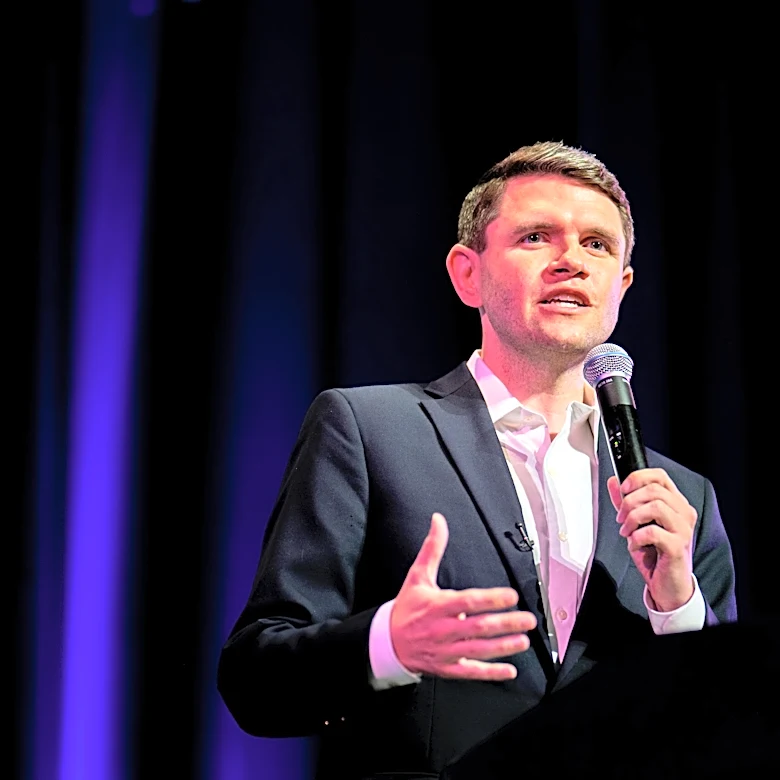
U.S. Rep. Mike Quigley, a Democratic candidate for mayor and a member of the House Appropriations Committee, has voiced strong opposition to Amtrak's plan to construct a new maintenance facility in Chicago's Bridgeport neighborhood. The proposed facility would
be located near the current White Sox stadium, Rate Field. Quigley stated that while Amtrak requires a new maintenance facility, the chosen site is unsuitable. He explicitly warned Amtrak officials that he could block future federal funding for the company if they proceed with the project against the community's wishes. This stance aligns with other local elected officials and residents who are protesting the plan, citing concerns about its potential disruption to the residential area. The project is linked to a broader proposal by White Sox minority owner Justin Ishbia's company, Canal Edge LLC, which envisions a new White Sox stadium at the current Amtrak railyard in the South Loop, effectively swapping locations with the maintenance facility. Amtrak has received a federal 'categorical exclusion' for the project, allowing it to bypass a full environmental assessment, a point of contention for opponents.
Why It's Important?
This development highlights a significant conflict between federal infrastructure plans and local community interests, with potential implications for urban development, environmental policy, and federal funding allocation. U.S. Rep. Quigley's position as a key appropriator in Congress gives his threat to block Amtrak's funding substantial weight, potentially forcing the federal agency to reconsider its plans or face financial repercussions. The dispute also underscores the challenges of large-scale urban redevelopment projects, particularly when they involve relocating essential infrastructure like a 24/7 rail maintenance facility into a residential area. For the Bridgeport community, the proposed facility raises concerns about noise pollution, environmental impact, and property values, especially if the White Sox stadium also relocates, leaving an empty stadium and a busy railyard. The use of a 'categorical exclusion' by Amtrak to avoid a full environmental assessment is also a critical point, as it bypasses a process designed to protect communities from adverse impacts.
What's Next?
Amtrak's Board of Directors is scheduled to meet, and residents opposed to the project plan to monitor the virtual meeting. State Representative Theresa Mah and other state lawmakers intend to send a letter to the Amtrak board urging them to consider alternative sites for the maintenance facility. The White Sox's potential relocation to a new stadium in the South Loop, which is tied to the Amtrak facility's move, is still in its early stages, with Canal Edge beginning a feasibility study. Mayor Brandon Johnson has indicated that no official decision has been made regarding the stadium and emphasized the importance of community input in any development proposal. The ongoing protests and political pressure from elected officials like U.S. Rep. Quigley suggest that Amtrak may face continued resistance and potential legislative hurdles if it proceeds with the current plan without addressing community concerns or exploring alternative locations.
Beyond the Headlines
The controversy surrounding Amtrak's proposed maintenance facility in Bridgeport extends beyond immediate land use and funding issues, touching upon broader themes of environmental justice and the balance of federal authority versus local autonomy. The 'categorical exclusion' used by Amtrak to bypass a full environmental assessment raises questions about the adequacy of current regulations in protecting communities from the potential health and environmental impacts of large infrastructure projects. Residents' concerns about noise, pollution, and decreased property values reflect a common struggle in urban areas where industrial development encroaches on residential zones. This situation could set a precedent for how federal agencies engage with local communities and elected officials on infrastructure projects, particularly in densely populated areas. The involvement of multiple levels of government—federal, state, and local—highlights the complex interplay of power and influence in urban planning and development, and the potential for community activism to shape outcomes.