




What's Happening?
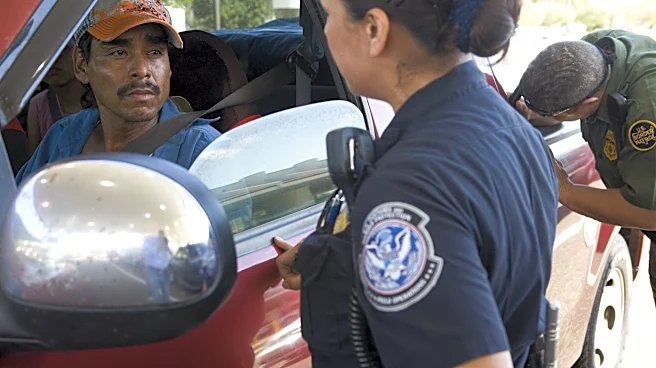
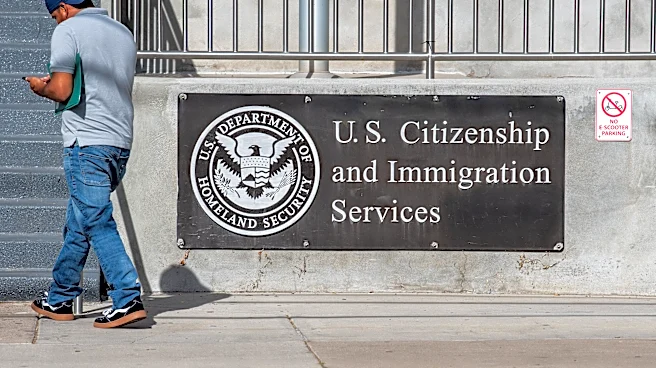
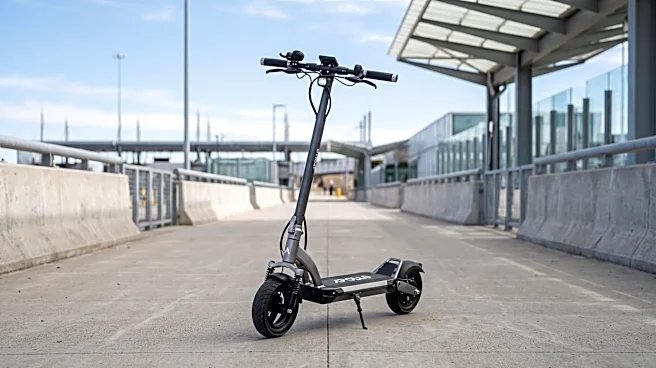
U.S. Customs and Border Protection (CBP) has implemented new regulations requiring travelers on bicycles, e-bikes, scooters, and other small personal transportation devices to use pedestrian lanes at the El Paso ports of entry. This policy change prohibits
these devices from using vehicle lanes. Riders are now mandated to dismount their devices before entering pedestrian areas for screening and processing. The agency stated that travelers can still bring these devices into the United States through pedestrian processing areas. This measure is aimed at enhancing safety for both travelers and CBP personnel by mitigating the risk of accidents in the often-congested vehicle processing zones. CBP advises travelers to plan accordingly, allocate additional time for crossing, and familiarize themselves with the new procedures prior to their arrival at the border. The agency also provides border crossing wait times via its website and mobile app to assist travelers in planning their journeys.
Why It's Important?
This new policy by CBP is significant for several reasons, primarily concerning border safety and efficiency. By redirecting bicycles and similar devices to pedestrian lanes, CBP aims to reduce the potential for collisions in busy vehicle lanes, which can be hazardous for both individuals on personal transportation devices and those in vehicles, as well as border agents. This change could lead to a smoother flow of traffic in vehicle lanes, potentially reducing wait times for drivers. However, it may also introduce new bottlenecks or increased wait times in pedestrian lanes, especially if the volume of travelers using these devices is high. The policy underscores the evolving challenges at border crossings, where diverse modes of transportation require tailored safety protocols. It also highlights CBP's proactive approach to managing risks and ensuring operational safety at high-traffic ports of entry, impacting daily commuters and occasional travelers alike who utilize these personal transportation methods.
What's Next?
Travelers using bicycles, e-bikes, and scooters at the El Paso Port of Entry will need to adjust to the new procedures, which include dismounting and using pedestrian lanes. CBP will likely monitor the implementation of these rules to assess their effectiveness in improving safety and managing traffic flow. Depending on the outcomes, the agency may refine these procedures or consider similar policies at other ports of entry with high volumes of personal transportation device usage. Stakeholders, including local communities, advocacy groups for cyclists, and cross-border commuters, will observe how these changes impact their travel experiences. There may be a period of adjustment as travelers become accustomed to the new requirements, and CBP may need to provide ongoing communication and signage to ensure compliance and minimize confusion at the border. The agency's emphasis on planning ahead suggests a continued effort to manage expectations and facilitate a smoother crossing experience under the new guidelines.
Beyond the Headlines
The shift in policy for personal transportation devices at the El Paso Port of Entry reflects broader trends in urban mobility and border management. As e-bikes and scooters become more prevalent, border agencies must adapt their infrastructure and protocols to accommodate these new modes of transport safely. This policy could serve as a precedent for other border crossings facing similar challenges, prompting a re-evaluation of how various forms of mobility are integrated into border security and processing. Furthermore, it highlights the continuous need for agencies like CBP to balance security imperatives with traveler convenience and safety. The decision also subtly points to the increasing diversity of cross-border traffic, moving beyond traditional vehicle and pedestrian categories to include a wider array of personal mobility solutions, which necessitates dynamic and adaptable regulatory frameworks. This could lead to future innovations in border infrastructure design to better segregate and process different types of travelers.