




What's Happening?
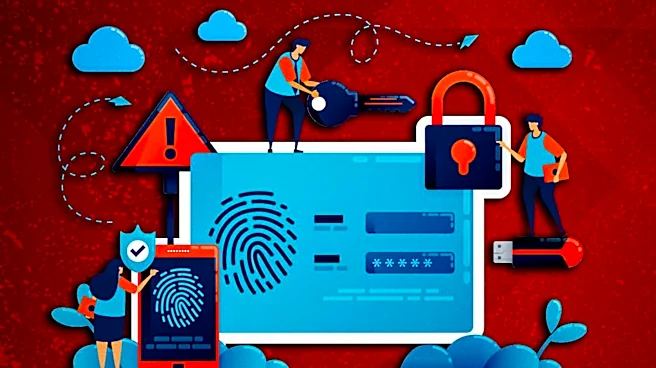
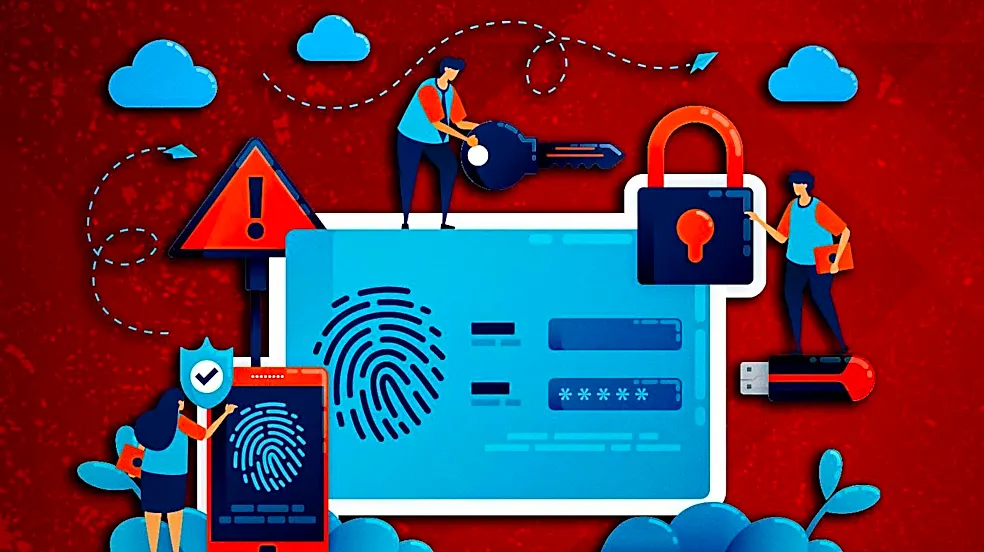
To effectively prevent account theft, experts recommend implementing strict authentication protocols, primarily multi-factor authentication (MFA). This method significantly reduces the risk of account compromise by requiring more than one form of verification.
Alongside MFA, individuals and businesses are advised to use strong, unique passwords for all accounts. Other critical measures include enabling two-factor authentication, utilizing a Virtual Private Network (VPN) on untrusted networks, and consistently updating software to patch vulnerabilities. Regular review of personal information, securing mobile phone accounts with PINs and SIM swap safeguards, and freezing credit if identity theft is suspected are also highlighted as essential steps. For cloud data, backups are crucial, and MFA is emphasized for cloud security in small businesses.
Why It's Important?
The widespread adoption of these security measures is vital for protecting individuals and businesses across the U.S. from the growing threat of account theft and financial fraud. Credential abuse was a factor in 39% of breaches, and MFA alone can cut the risk of account compromise by over 99%. Without these protections, individuals face potential financial losses, identity theft, and severe disruptions to their personal and professional lives. Small businesses, often easier targets, are particularly vulnerable, with ransomware appearing in 83% of breaches affecting them. Implementing these strategies can safeguard sensitive data, maintain customer trust, and ensure regulatory compliance, especially for sectors like accounting and tax firms that are subject to rules like the FTC Safeguards Rule. The economic impact of account theft can be substantial, affecting consumer confidence and business continuity.
What's Next?
The ongoing evolution of cyber threats necessitates continuous adaptation of security practices. Individuals and organizations will need to regularly update their software, review their security protocols, and educate themselves on new phishing and social engineering tactics. Businesses, especially small and medium-sized enterprises, may increasingly seek managed security services to handle complex tasks like patching and backups. Regulatory bodies are likely to continue emphasizing and potentially mandating stronger authentication and data protection measures. The trend towards more sophisticated, phishing-resistant MFA methods, such as authenticator apps and security keys over SMS, is expected to grow, pushing users towards more secure authentication practices.
Beyond the Headlines
The emphasis on multi-factor authentication and strong passwords reflects a broader shift in cybersecurity from perimeter defense to identity-centric security. This change acknowledges that human error and compromised credentials are often the weakest links in security chains. The ethical implication is a shared responsibility: while technology providers offer tools, users must actively engage in protecting their digital identities. Culturally, this means fostering a greater awareness and discipline around digital hygiene, moving beyond simple password practices to a more comprehensive understanding of online risks. Long-term, this could lead to a more resilient digital ecosystem, but it also places a greater burden on individuals and small businesses to stay informed and proactive in their security efforts.