






What's Happening?
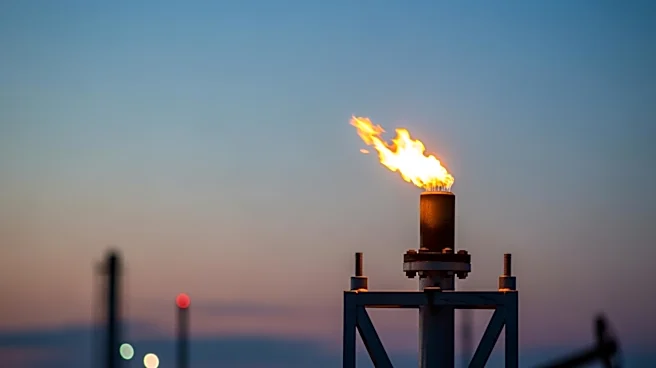
The U.S. Environmental Protection Agency (EPA) has updated federal regulations to permit limited routine flaring of associated gas at new oil wells under specific conditions. This update applies to oil and natural gas wells that began construction after
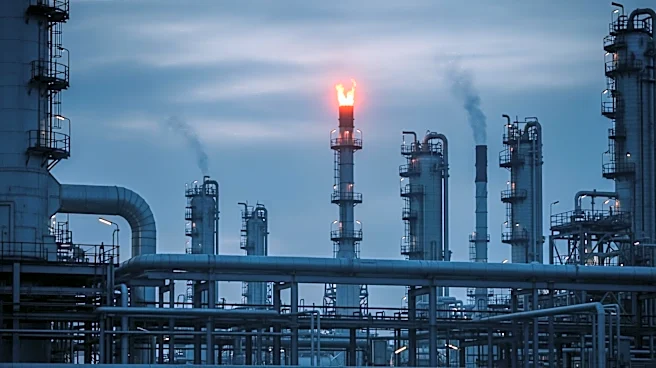
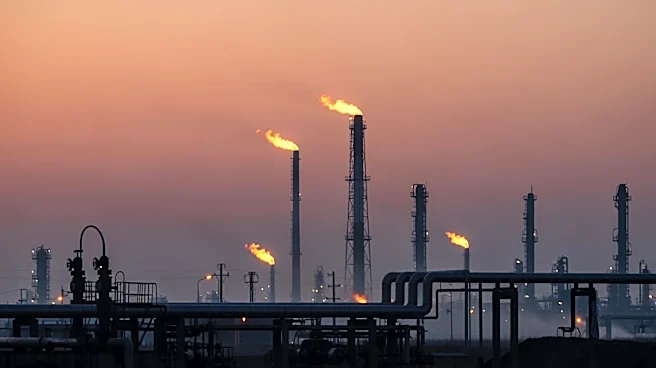
May 7, 2024, and extends beyond the 2026 phaseout deadline. The rule provides operators with additional flexibility in managing associated gas, particularly in situations where takeaway or infrastructure constraints exist. Industry groups, such as the Independent Petroleum Association of America (IPAA), have welcomed the clarification, stating it offers necessary regulatory guidance for independent producers. The policy is part of broader federal efforts to regulate methane emissions and associated gas handling in upstream oil and gas operations, with a focus on reducing flaring intensity across major U.S. producing regions like the Permian Basin.
Why It's Important?
This regulatory update is significant as it addresses the balance between environmental concerns and operational flexibility for oil and gas producers. By allowing limited routine flaring, the EPA aims to provide a practical solution for managing associated gas in areas with infrastructure limitations. This decision could impact the industry's ability to comply with federal emission standards while continuing production activities. The rule is particularly relevant for regions like the Permian Basin, where infrastructure constraints have historically led to increased flaring. The update may help reduce overall emissions by encouraging the development of infrastructure to handle associated gas more effectively, thus aligning with federal goals to mitigate methane emissions.
What's Next?
The implementation of this updated rule will likely lead to increased efforts by oil and gas operators to expand infrastructure and improve gas management practices. Stakeholders, including environmental groups and industry representatives, may continue to monitor the impact of this regulation on emission levels and operational practices. The EPA's decision could also prompt further discussions on balancing environmental regulations with industry needs, potentially influencing future policy developments in the energy sector.