





What's Happening?
The St Silas Blackburn Community Energy Project, spearheaded by the Diocese of Blackburn and local partners, has secured nearly £40,000 from the North West Net Zero Hub. This initiative, centered around St Silas Church in Blackburn, Lancashire, aims to
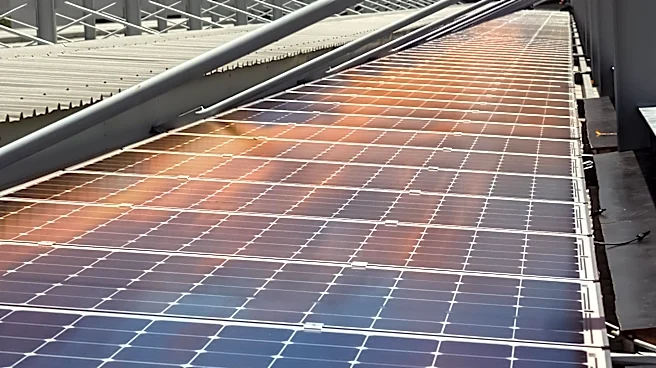
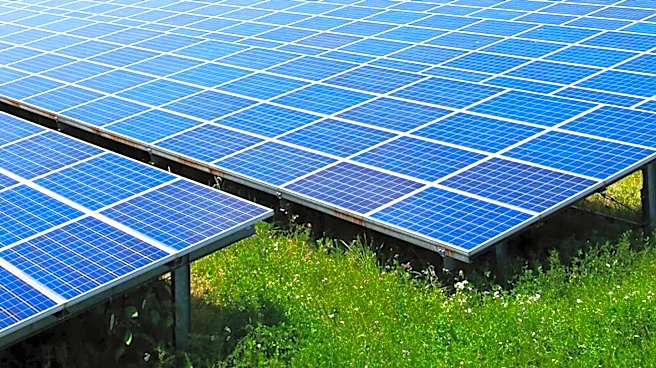
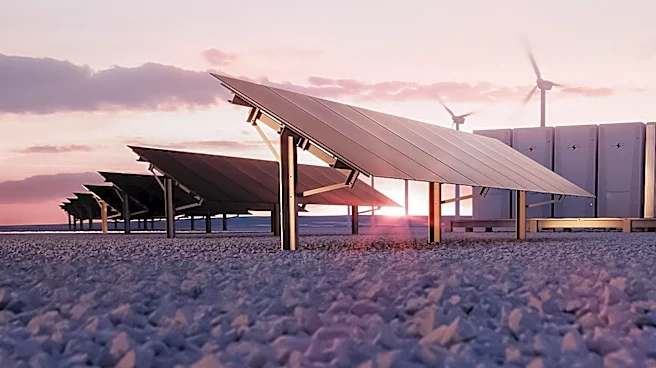
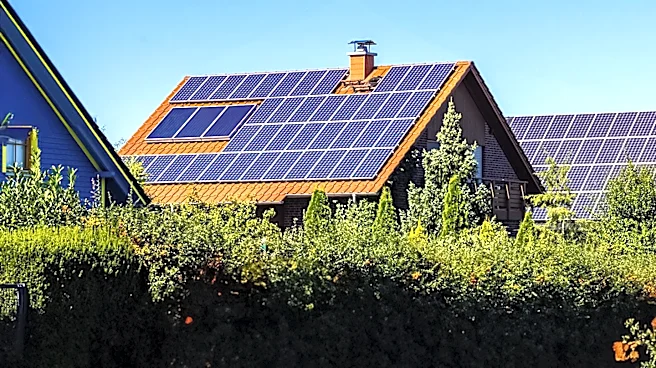
investigate how community-owned solar energy can generate clean electricity and directly benefit local organizations and households struggling with rising energy costs. St Silas parish was selected due to its multicultural demographic and a significant fuel poverty rate affecting approximately 20% of households. The project will support a network of local community organizations, including a church, a homeless shelter, alms houses, a primary school, and a food bank, with the goal of establishing a community-owned solar installation that provides both clean power and direct benefits to those most in need. The project's initial phase involves a technical feasibility study to determine the required renewable energy technology and expected energy generation, with a proposal for solar panels on suitable roofs and battery storage to generate around 612kW of electricity.
Why It's Important?
This project holds significant importance as it addresses the critical issue of fuel poverty through a sustainable and community-led approach. By exploring community-owned solar energy, it offers a model for reducing energy costs for vulnerable households and local organizations, thereby improving their economic stability and well-being. The initiative also contributes to broader environmental goals by promoting clean energy generation and reducing carbon emissions. For the U.S., this project serves as an example of how local communities can leverage renewable energy solutions to tackle socio-economic challenges, potentially inspiring similar initiatives in areas facing energy poverty. It demonstrates the potential for churches and other community hubs to play a central role in driving sustainable development and fostering energy independence at a local level. The project's focus on direct community benefit ensures that the advantages of renewable energy are equitably distributed.
What's Next?
The St Silas Blackburn Community Energy Project will proceed with its two-stage plan. The first stage involves a technical feasibility study conducted with national charity Pure Leapfrog and local community partners to assess the renewable energy technology needed and the potential energy generation. The current proposal includes installing solar panels on suitable roofs, with most of the generated electricity to be used by participating buildings, supported by battery storage. The second phase will focus on establishing governance arrangements for community energy ownership, likely forming a Community Benefit Society with representatives from participating organizations. This phase will also engage the wider community around St Silas to build interest and understanding of the community energy generation model. The project aims to create a replicable model for other communities nationwide, demonstrating how large buildings like churches can generate electricity for the benefit of neighboring organizations and foster community cohesion.
Beyond the Headlines
Beyond its immediate goals of alleviating fuel poverty and promoting clean energy, this project carries deeper implications for community empowerment and social equity. By establishing a community-owned energy model, it shifts control over energy resources from large corporations to local residents, fostering a sense of collective ownership and responsibility. This approach can build stronger, more resilient communities capable of addressing their own needs. Ethically, the project highlights the role of faith-based organizations in social justice and environmental stewardship, demonstrating how they can actively contribute to sustainable development and support vulnerable populations. Legally, the establishment of a Community Benefit Society could set precedents for local energy governance and ownership structures. Culturally, it promotes a collaborative spirit and raises awareness about the benefits of renewable energy, potentially inspiring broader adoption of sustainable practices within the community and beyond. This initiative represents a micro-level example of a just energy transition.