





What's Happening?
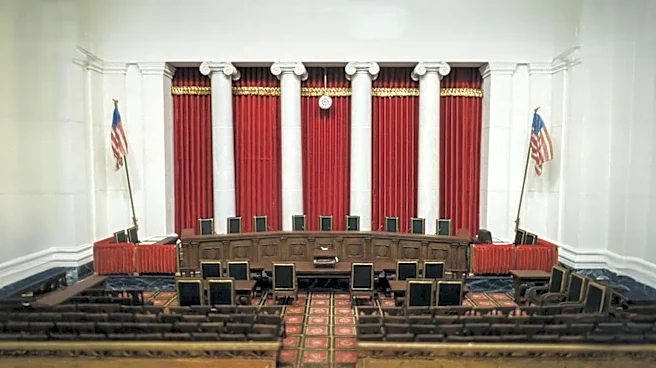
Daniel Grand, an Orthodox Jew from University Heights, Ohio, has taken his case to the Supreme Court after being required to obtain a special-use permit for hosting a prayer gathering at his home. The city issued a cease-and-desist notice, arguing the gathering required a permit.
Grand's appeal challenges zoning laws that restrict religious gatherings in residential areas. The case highlights broader issues of religious freedom and zoning regulations, with potential implications for how religious entities can challenge such laws. The Supreme Court's decision could impact regulations on religious practices, including those related to health and anti-discrimination policies.
Why It's Important?
The outcome of this case could significantly affect religious freedom and zoning laws across the U.S. A decision in favor of Grand may empower religious groups to challenge restrictive zoning regulations, potentially altering the landscape of religious practice in residential areas. This case also touches on the broader issue of how governments balance regulatory authority with First Amendment rights. The decision could set a precedent for future cases involving religious freedom and government regulations, influencing how religious practices are accommodated in various contexts.
What's Next?
The Supreme Court is expected to deliver a decision next year, which could lead to changes in how zoning laws are applied to religious gatherings. Religious groups and legal experts will be closely monitoring the case, as its outcome may prompt legislative or regulatory adjustments. The case may also encourage other religious entities to challenge similar zoning restrictions, potentially leading to a reevaluation of how religious practices are accommodated in residential areas.