





What's Happening?
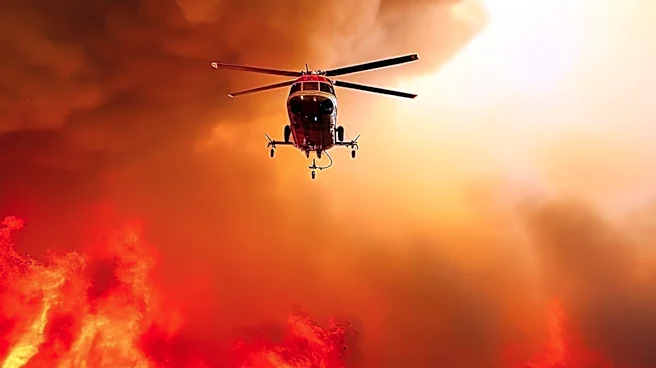
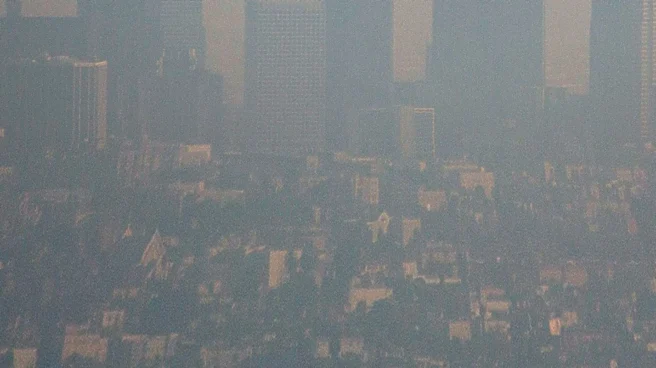
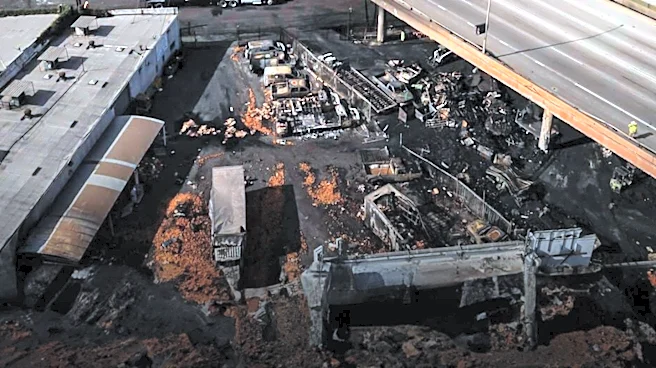
A significant fire at the Lineage refrigerated warehouse in Boyle Heights, Los Angeles, has resulted in extremely high levels of smoke and soot pollution, surpassing previous records from the Los Angeles County fires in January 2025. The fire, which emitted
thick black smoke for several days, affected tens of thousands of residents from downtown Los Angeles to the San Gabriel Valley. Despite reassurances from some local officials, the air quality was hazardous, with a temporary monitoring station recording 755 micrograms per cubic meter of fine particles, known as PM 2.5, in East Los Angeles. This level of pollution coincided with a surge in hospital visits due to respiratory issues. The fire burned various materials, including insulation foam, solar panels, and refrigerants, raising concerns about the release of toxic substances. However, public agencies have not fully disclosed the results of their air quality tests, leaving residents uncertain about the specific chemicals they were exposed to.
Why It's Important?
The Boyle Heights fire highlights significant gaps in the region's air quality monitoring and public health response systems. The incident underscores the need for improved monitoring capabilities to accurately assess and communicate the risks of air pollution during such disasters. The lack of transparency from public agencies regarding the presence of toxic substances in the air raises concerns about the effectiveness of current environmental protection measures. This situation has broader implications for public health policy, as it demonstrates the potential health risks associated with industrial fires and the need for better preparedness and response strategies. Communities near industrial sites may face increased health risks, and the incident could prompt calls for stricter regulations and improved emergency response protocols to protect public health.
What's Next?
In the aftermath of the fire, local officials are focusing on addressing the odors from decomposing food in the warehouse, which could release hydrogen sulfide, a toxic gas. Contractors are monitoring the situation and using deodorizing measures to mitigate the impact on nearby residents. The incident may lead to increased scrutiny of air quality monitoring practices and could result in policy changes to enhance environmental safety and public health protections. Community groups and environmental advocates are likely to push for more comprehensive monitoring and transparency from public agencies to ensure that residents are adequately informed and protected in future incidents.
Beyond the Headlines
The Boyle Heights fire raises ethical and legal questions about the responsibilities of public agencies and private companies in ensuring environmental safety and public health. The lack of clear communication and transparency regarding air quality data may erode public trust in these institutions. Additionally, the incident highlights the potential long-term health impacts of exposure to toxic substances, which may not be immediately apparent. This could lead to increased advocacy for stronger environmental regulations and more robust public health infrastructure to prevent similar incidents in the future.