






What's Happening?
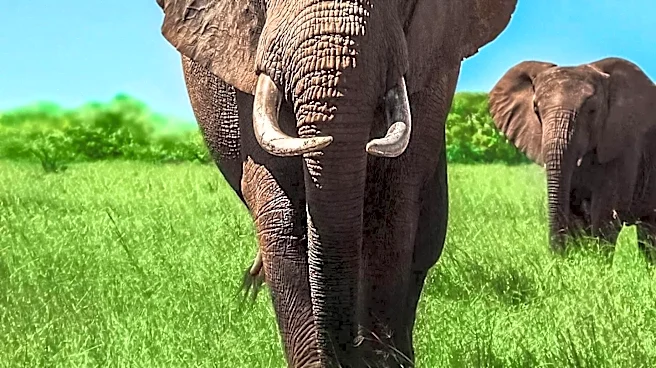
Duchess Sophie, the Duchess of Edinburgh, recently undertook an official visit to Zambia, during which she experienced her first safari, observing elephants, hippopotamuses, and buffalo. This trip held particular significance as she had previously missed
a similar safari with her husband, Prince Edward, and their son, James, Earl of Wessex. The Duchess expressed her astonishment at seeing multiple elephants and learning that elephants can swim. Her itinerary also included engagements with organizations dedicated to wildlife conservation, such as Conservation Lower Zambezi (CLZ), where she learned about anti-poaching efforts, including the use of K-9 units. She also met with the Kufadza Female Scouts, an all-women ranger unit actively involved in disabling poachers' snares. The visit aimed to celebrate the relationship between Zambia and the UK, focusing on shared interests like gender equality, climate and nature, and education partnerships.
Why It's Important?
This visit underscores the growing international focus on wildlife conservation and gender equality in regions like Zambia. The Duchess's engagement with local conservation groups, particularly the Kufadza Female Scouts, highlights the critical role women play in combating wildlife crime and challenging traditional gender roles in conservation. Her presence draws global attention to the challenges faced by endangered species and the innovative solutions being implemented by local organizations. Furthermore, the emphasis on UK-Zambia partnerships in areas such as climate and nature, and education, signifies a broader commitment to sustainable development and international cooperation. Such high-profile visits can catalyze increased funding, support, and awareness for these crucial initiatives, potentially leading to more effective conservation strategies and empowerment programs.
What's Next?
The Duchess's visit is expected to conclude shortly, following meetings with Zambian President Hakainde Hichilema. The ongoing partnerships between the UK and Zambia, particularly in conservation and gender equality, are likely to continue and potentially expand. The attention generated by the Duchess's visit could lead to increased international support for Zambia's conservation efforts and women's empowerment initiatives. Organizations like Conservation Lower Zambezi may see a boost in resources and visibility, enabling them to further their work in protecting wildlife and supporting local communities. The discussions on shared interests, including climate and nature, could also pave the way for new collaborative projects and policy developments aimed at addressing environmental challenges in the region.
Beyond the Headlines
The Duchess's personal connection to the safari experience, having missed a previous family trip, adds a human element to the broader narrative of conservation. Her genuine enthusiasm for the wildlife, particularly her surprise at elephants' swimming abilities, can help demystify nature for a wider audience and foster a deeper appreciation for biodiversity. The focus on female rangers also challenges conventional perceptions of conservation roles, promoting inclusivity and highlighting the diverse skills and perspectives women bring to this field. This visit subtly reinforces the idea that conservation is not just about protecting animals but also about empowering communities and fostering sustainable livelihoods, demonstrating a holistic approach to environmental stewardship and social development.