


What's Happening?
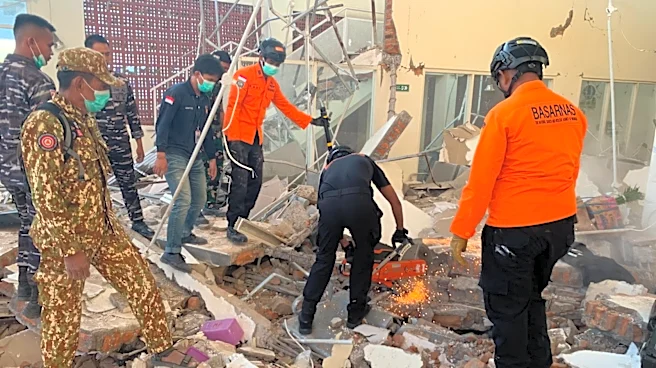
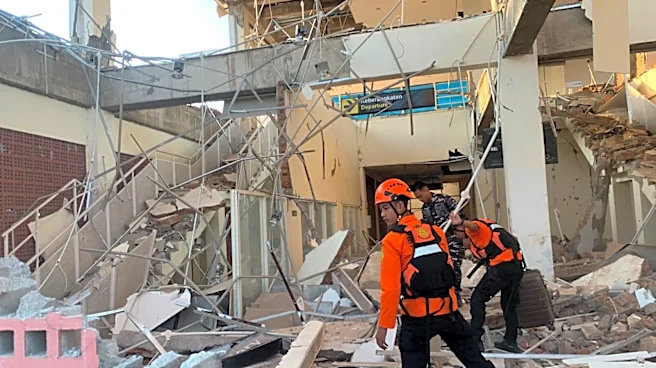
A powerful magnitude 7.7 earthquake struck Flores, Indonesia, leading to a significant increase in the death toll. Rescue teams have recovered an additional six bodies, bringing the total number of fatalities to 53. The seismic event, which occurred at a depth
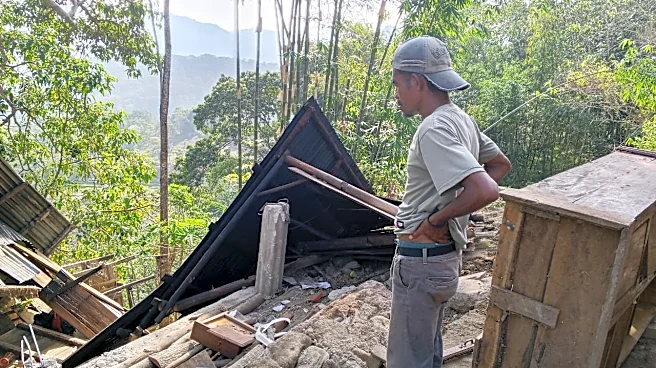
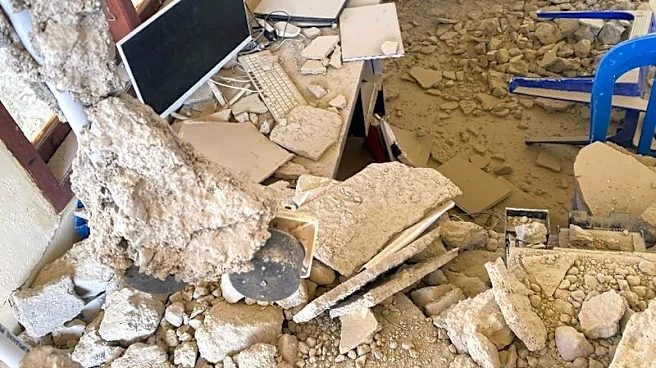
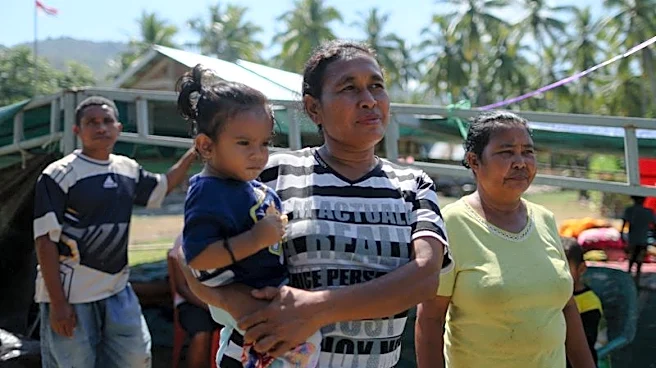
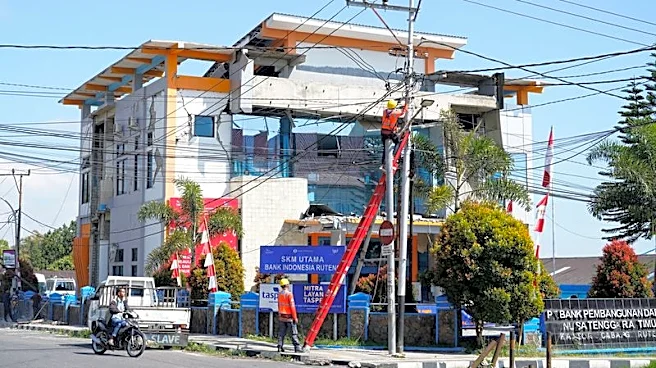
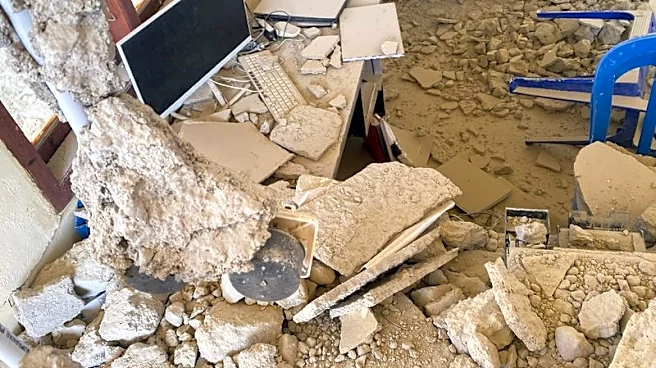
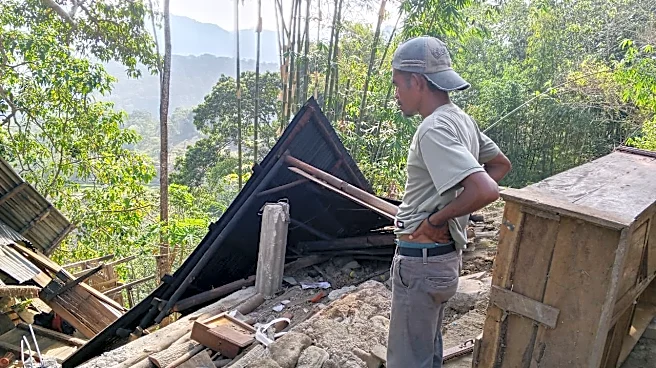
of 10 kilometers shortly before 6 a.m. on Saturday, triggered widespread landslides across six regencies on the predominantly Catholic island. Initial reports indicated that the hardest-hit areas, including Manggarai, East Manggarai, and Nagekeo, were largely inaccessible. Authorities have confirmed that over 900 homes were completely destroyed and an additional 450 sustained damage in East Nusa Tenggara province, forcing approximately 5,000 residents into temporary shelters. The U.S. Geological Survey recorded the earthquake's magnitude. Residents experienced widespread panic, and tsunami warnings were issued before being subsequently lifted. Abdul Muhari, chief for disaster prevention at the National Disaster Management Agency, reported 995 aftershocks, with 46 felt by residents, and 135 people injured. Many residents, particularly in Labuan Bajo, a key tourist gateway to Komodo National Park, spent the night outdoors due to fear of further aftershocks. Landslides have also blocked critical sections of the Trans-Flores Highway, a 700-kilometer road vital for connecting communities.
Why It's Important?
This devastating earthquake in Indonesia underscores the severe vulnerability of nations located within the Pacific 'Ring of Fire' to natural disasters. The escalating death toll, extensive property damage, and mass displacement highlight the critical need for robust disaster preparedness and rapid response capabilities in such seismically active regions. For the U.S., while geographically distant, such events have broader implications, including potential calls for international humanitarian aid, which the U.S. often contributes to. U.S. citizens traveling internationally, particularly to disaster-prone areas, are reminded of the importance of travel advisories and emergency preparedness. The disruption to tourism in areas like Komodo National Park also illustrates the economic fragility of regions heavily reliant on international visitors, a factor that can influence global travel patterns and aid considerations. The challenges in restoring infrastructure and delivering aid in remote areas provide valuable lessons for disaster management worldwide, including for U.S. agencies involved in international relief efforts.
What's Next?
Relief workers are actively engaged in distributing essential supplies, including rice, ready-to-eat meals, drinking water, blankets, and medicine, to affected communities. Emergency shelters have been established to accommodate the thousands of displaced residents. Authorities face significant logistical hurdles in restoring vital services such as electricity and communication networks, and in delivering aid to remote villages that remain isolated by landslides. The immediate focus will continue to be on search and rescue operations in the previously inaccessible regencies, alongside providing urgent humanitarian assistance. Long-term recovery efforts will necessitate substantial resources and coordinated international support for rebuilding homes and critical infrastructure. The frequency and intensity of ongoing aftershocks will be a crucial factor in determining when residents can safely return to their homes and when reconstruction efforts can commence effectively, ensuring the safety and stability of the affected population.
Beyond the Headlines
The recurring nature of severe earthquakes and tsunamis in Indonesia, as evidenced by the 1992 Flores event that killed 2,500 and the 2004 Sumatra quake affecting 230,000 across a dozen countries, raises profound questions about sustainable development and resilient infrastructure in high-risk zones. This latest disaster highlights the ongoing global challenge of protecting populations in areas prone to extreme natural phenomena and the imperative for enhanced international cooperation in disaster relief and long-term recovery planning. Beyond the immediate physical damage, such events inflict immense psychological trauma on communities living under constant threat of seismic activity, leading to long-term mental health challenges. The incident also prompts a re-evaluation of early warning systems and community education programs to mitigate future impacts, emphasizing the need for continuous investment in scientific research and technological advancements to better predict and respond to geological hazards.