






What's Happening?
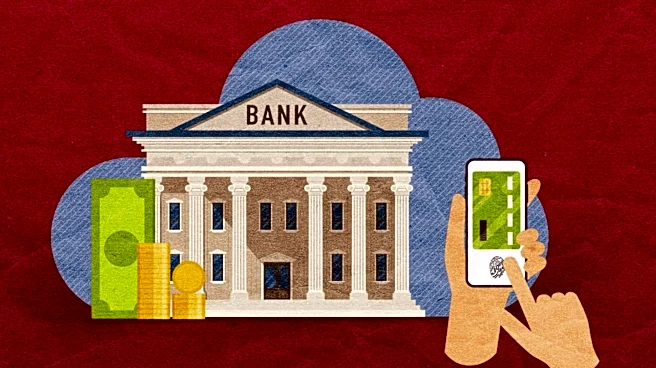
Moldova has taken a significant step in digital identity verification by integrating a digital wallet system into its banking sector. This system allows customers to verify their identity by scanning a QR code at bank branches, ensuring that only necessary
information is shared with the bank. This initiative marks the first use of the national digital identification infrastructure in the private sector, as stated by Michelle Iliev, State Secretary of the Ministry of Economic Development and Digitalization. The government plans to expand this digital wallet's use to a broader range of services, aiming to integrate it with both public and private sectors.
Why It's Important?
The integration of digital wallets for identity verification in Moldova's banking sector is a pivotal development in enhancing security and efficiency in financial transactions. This move not only streamlines the customer verification process but also sets a precedent for other sectors to adopt similar digital solutions. By ensuring data privacy and user consent, the system builds trust among users and can potentially increase the adoption of digital services. This initiative aligns with global trends towards digital identity systems, which are crucial for secure and efficient service delivery in both public and private sectors.
What's Next?
As Moldova expands the use of its digital wallet system, it will likely focus on integrating more services and ensuring widespread adoption. The government may need to address challenges such as technological infrastructure, user education, and data security to ensure the system's success. The expansion could also lead to increased collaboration between public and private sectors, fostering innovation and improving service delivery. Monitoring the system's impact on user experience and security will be crucial in refining and expanding its application.