






What's Happening?
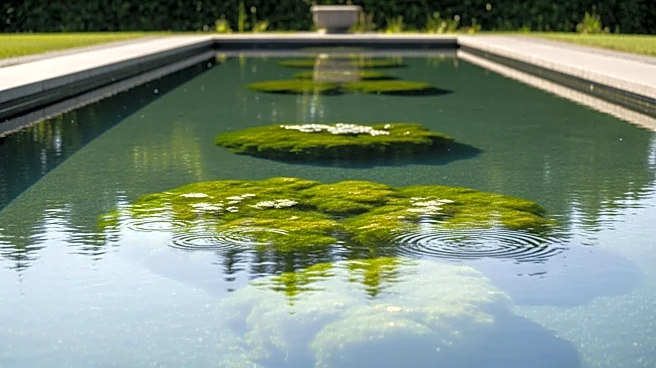
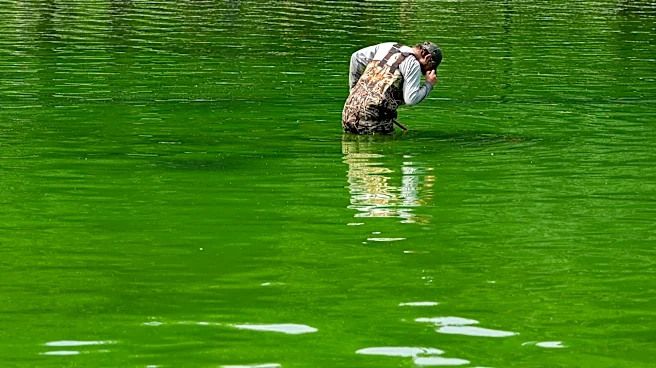
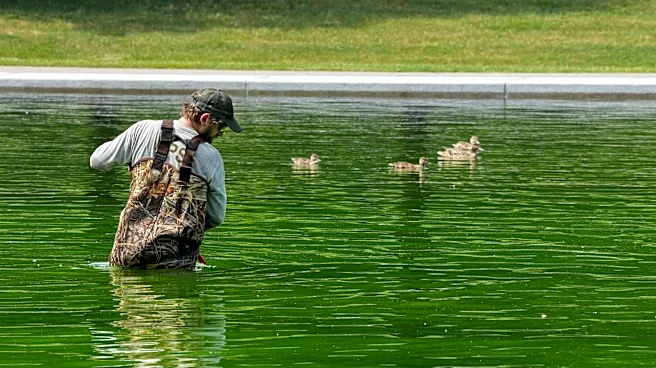
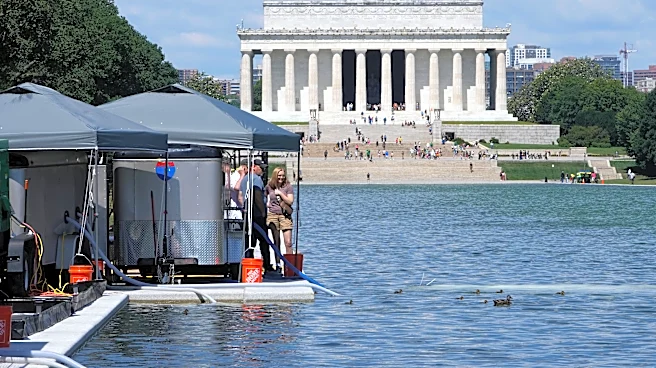
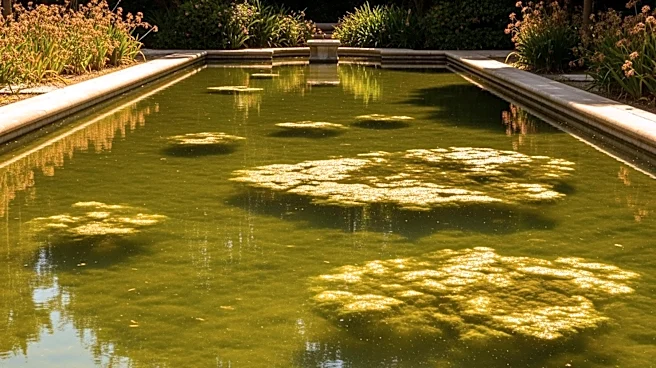
The Lincoln Memorial Reflecting Pool has turned green due to a fast-spreading algal bloom, prompting workers to add hydrogen peroxide to the water. This development follows a recent multimillion-dollar renovation intended to enhance the pool's appearance.
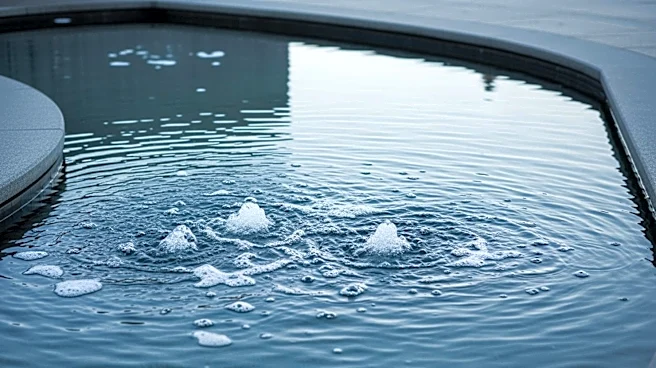
The use of hydrogen peroxide, a common water treatment chemical, aims to break down algae and restore the pool's clarity. The algal bloom's rapid spread is attributed to residual algae in the system and the introduction of warm water during early summer. The treatment is part of a broader effort to maintain the pool's aesthetic while balancing environmental considerations.
Why It's Important?
The situation at the Lincoln Memorial Reflecting Pool highlights the challenges of maintaining iconic landmarks while addressing environmental issues. The use of hydrogen peroxide, considered a milder alternative to chlorine, reflects efforts to minimize ecological impact while managing water quality. The incident raises questions about the effectiveness and cost of chemical treatments in large-scale water bodies, as well as the need for sustainable long-term solutions. The pool's condition affects its role as a tourist attraction and a symbol of national heritage, emphasizing the importance of effective maintenance strategies.
What's Next?
Authorities will continue monitoring the pool's condition and the effectiveness of the hydrogen peroxide treatment. Future steps may involve exploring alternative methods to prevent algal blooms, such as improving water circulation and controlling nutrient levels. The incident may prompt discussions on balancing aesthetic goals with environmental sustainability in the management of public landmarks. Ongoing maintenance and potential adjustments to the pool's design could be considered to enhance resilience against similar issues in the future.