







What's Happening?
Collier Cove Nature Preserve, located near Asheville, North Carolina, provides visitors with woodland nature walks and scenic picnic areas. The preserve features nearly two miles of trails, including five distinct routes: the 0.6-mile Walnut Way, 0.5-mile
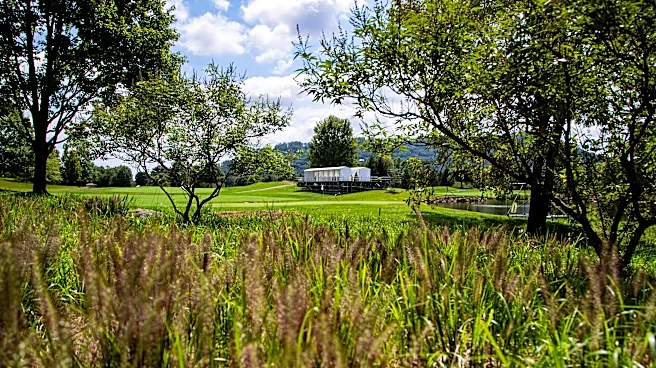
Sassafras Circle, 0.4-mile Trillium Trail, 0.35-mile Laurel Loop, and 0.2-mile Hickory Hike. These trails can be combined to create personalized hiking experiences suitable for various skill levels. While the trails are not the longest in the Blue Ridge Mountains region, Buncombe County Recreation Services describes them as 'steep and strenuous.' Visitors have echoed this sentiment, noting the challenging yet rewarding nature of the hikes. The preserve also boasts a meadow ideal for picnics, offering views of Butler Mountain. Visitors can enjoy wildflowers, particularly along the Laurel Loop when in bloom. Collier Cove Nature Preserve operates during daylight hours, and visitors are advised to check for trail closures due to potential landslides and follow basic hiking safety tips.
Why It's Important?
The establishment and maintenance of Collier Cove Nature Preserve are important for several reasons, particularly in the context of increasing outdoor recreation and the preservation of natural spaces. As popular destinations like Asheville's Blue Ridge Mountains become more crowded, less-trafficked alternatives like Collier Cove offer a quieter, more intimate experience with nature. This helps to distribute visitor impact, reducing pressure on overused trails and ecosystems. For local communities, the preserve provides accessible outdoor activities, promoting physical and mental well-being through hiking and picnicking. Environmentally, preserving such areas helps protect local flora and fauna, contributing to biodiversity conservation in the region. The focus on 'steep and strenuous' trails also caters to a segment of outdoor enthusiasts seeking more challenging physical activities, while the picnic spots offer a gentler option for families and those looking for relaxation. This balance of offerings enhances the overall appeal of the region for tourism and local enjoyment, supporting a sustainable approach to natural resource management.
What's Next?
Moving forward, Collier Cove Nature Preserve will likely continue to serve as a valuable natural asset for both residents and tourists in the Asheville area. Buncombe County Recreation Services will need to maintain ongoing monitoring of trail conditions, especially concerning potential landslides, to ensure visitor safety. Regular updates on trail accessibility and any necessary closures will be crucial for informing the public. There may be continued efforts to promote the preserve as a less crowded alternative to more popular Blue Ridge Mountain destinations, potentially attracting visitors seeking a more tranquil experience. Educational initiatives could also be developed to highlight the unique flora and fauna of the preserve, enhancing the visitor experience and fostering a greater appreciation for local ecosystems. Additionally, as visitor numbers potentially grow, the preserve may need to consider strategies for managing increased foot traffic to prevent environmental degradation and maintain the serene atmosphere that currently defines it.
Beyond the Headlines
Beyond its immediate recreational benefits, Collier Cove Nature Preserve represents a broader trend in land conservation and sustainable tourism. The emphasis on providing a 'less-crowded' alternative speaks to a growing demand for authentic and peaceful outdoor experiences, contrasting with the often-overwhelmed popular national parks and trails. This shift reflects a deeper societal value placed on solitude and immersion in nature, away from the commercialized aspects of tourism. Ethically, the preserve's existence underscores the importance of local and regional efforts in protecting natural habitats, complementing larger-scale conservation initiatives. It also highlights the role of local government and community organizations in identifying and safeguarding smaller, yet ecologically significant, parcels of land. The preserve's challenging trails, while physically demanding, offer a psychological benefit, fostering resilience and a sense of accomplishment, which are increasingly sought after in an urbanized world. This blend of physical challenge, natural beauty, and quiet contemplation contributes to a holistic approach to well-being and environmental stewardship.