
What's Happening?
A global study has found that urban tree cover can reduce the urban heat island (UHI) effect by nearly half, but the benefits are not evenly distributed across different urban areas. The research, published
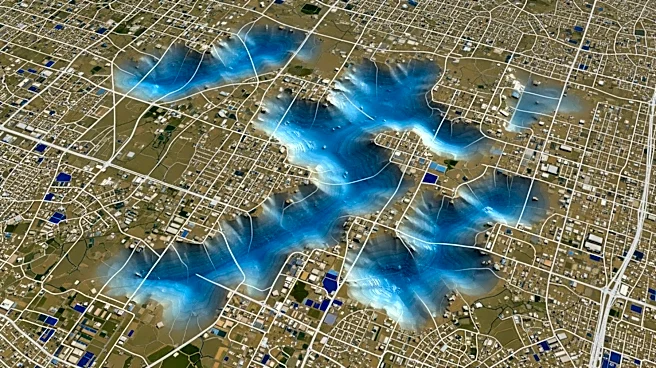
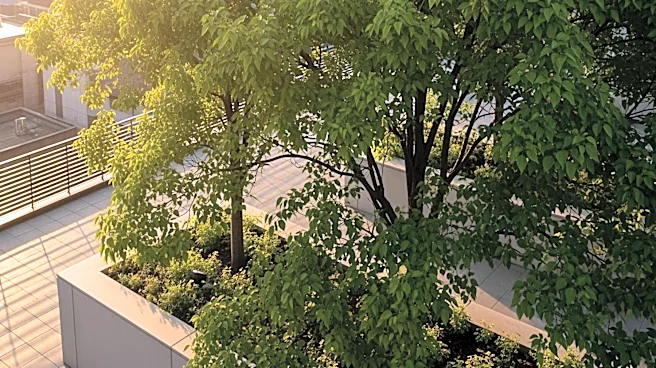
in Nature Communications, analyzed the impact of tree cover on air temperature in urban areas worldwide. The study found that tree cooling efficiency (TCE) is higher in arid climates and areas with more impervious surfaces. However, densely populated urban centers tend to have less tree cover, limiting the cooling benefits for residents in these areas.
Why It's Important?
The findings highlight the potential of urban tree cover to mitigate the UHI effect, which can exacerbate heat-related health issues and increase energy consumption in cities. However, the unequal distribution of tree cover means that the cooling benefits are not reaching the areas that need them most. This disparity underscores the need for targeted urban planning and investment in green infrastructure to ensure that all urban residents can benefit from the cooling effects of trees. Addressing these inequalities is crucial for improving urban resilience to climate change.
What's Next?
The study suggests that increasing tree cover in densely populated urban areas could significantly enhance the cooling benefits and help mitigate the impacts of climate change. Policymakers and urban planners are encouraged to prioritize tree planting and maintenance in areas with high population density and limited green space. This approach could involve integrating tree planting into urban development plans and investing in green infrastructure to support sustainable urban growth.