
What's Happening?
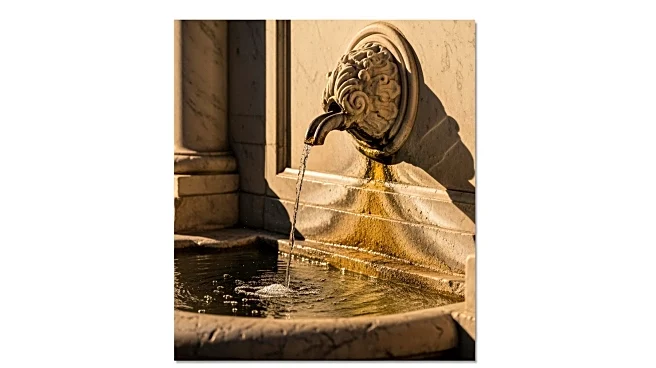
Rome has introduced a new policy requiring tourists to pay a two-euro fee to access the Trevi Fountain, a move announced by the city's mayor, Roberto Gualtieri. This decision aims to manage the overwhelming
number of visitors and reduce chaos around the iconic site. The Trevi Fountain, a major Baroque landmark, attracts millions of tourists annually, with 9 million visitors recorded this year alone. The fee is expected to generate approximately 6.5 million euros annually. While tourists will need to pay to get close to the fountain, residents of Rome will continue to have free access. This initiative follows similar measures in other Italian cities like Venice and Verona, which have also implemented entry fees at popular tourist sites to control visitor numbers and ease the impact on local residents.
Why It's Important?
The introduction of an entry fee at the Trevi Fountain is significant as it reflects a broader trend in popular tourist destinations to manage overcrowding and preserve cultural heritage sites. By controlling the flow of tourists, Rome aims to protect the integrity of the fountain and improve the experience for both visitors and locals. The revenue generated from the fees can be reinvested into maintaining the site and supporting local infrastructure. This approach also highlights the challenges faced by cities with high tourist traffic, balancing economic benefits with the need to maintain quality of life for residents. The policy could set a precedent for other cities facing similar issues, encouraging sustainable tourism practices.
What's Next?
As the new fee system is implemented, it will be important to monitor its impact on tourist behavior and local businesses. The city may need to adjust the policy based on feedback from stakeholders, including tourists, residents, and business owners. Additionally, other cities with popular tourist attractions may consider adopting similar measures if Rome's approach proves successful. The effectiveness of the fee in reducing congestion and generating revenue will likely influence future tourism management strategies in Italy and beyond.