


What's Happening?
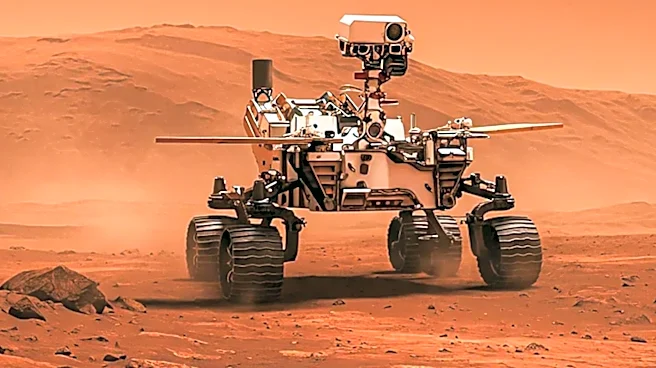
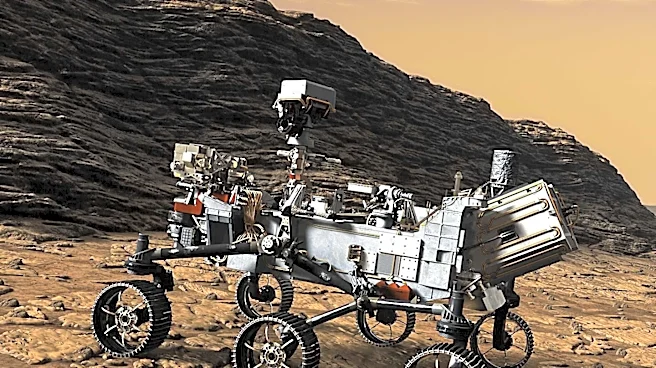
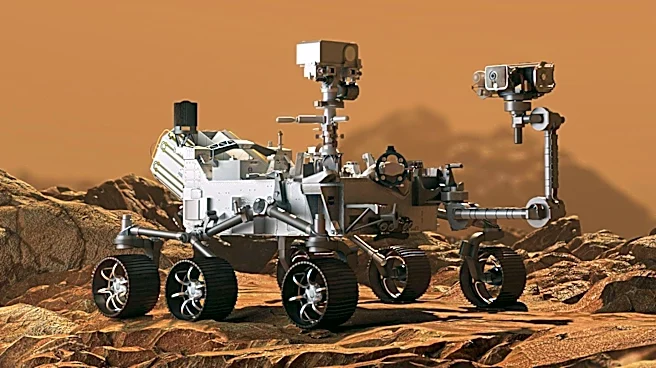
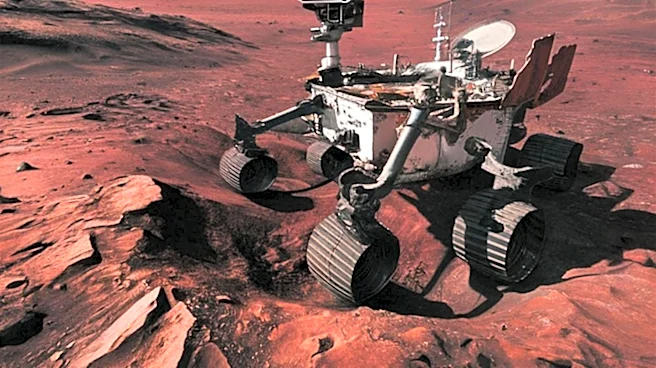
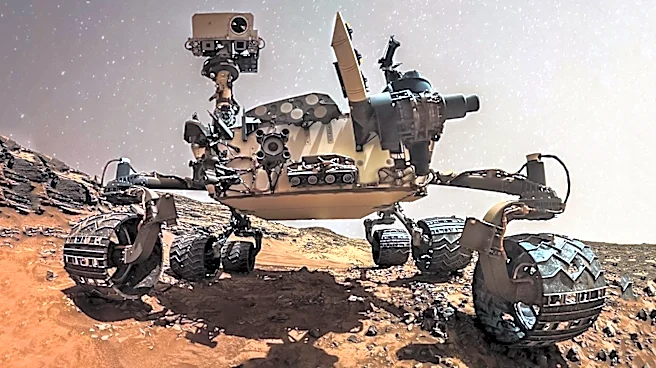
NASA's Curiosity rover has captured images of honeycomb-like textures on Mars, known as polygonal fractures. These formations, found in the Gale Crater, measure 1.5 to 3 inches wide and may indicate past mud cracks formed by cycles of temperature changes
or compression. The discovery provides insights into Mars' geological history and the potential for past water presence. Scientists are studying these features to understand the planet's evolution and the possibility of life.
Why It's Important?
The images captured by Curiosity offer valuable data for understanding Mars' geological history and the role of water in shaping its surface. The presence of polygonal fractures suggests that Mars once had conditions suitable for liquid water, which is crucial for understanding the planet's potential to support life. This research contributes to the broader goal of determining Mars' habitability and informs future exploration missions aimed at uncovering the planet's secrets.
Beyond the Headlines
The discovery of these textures highlights the importance of robotic exploration in advancing our knowledge of other planets. The findings could influence future missions and the search for life beyond Earth. Understanding Mars' past environment can also provide insights into the planet's potential for human colonization, as water resources are critical for sustaining life. The ongoing exploration of Mars continues to captivate public interest and inspire scientific inquiry.