






What's Happening?
The United Nations Refugee Agency (UNHCR) has voiced significant concern regarding Malaysia's recent decision to return over 1,000 individuals to Myanmar. This repatriation effort, which included approximately 1,500 Myanmar nationals, some of whom were
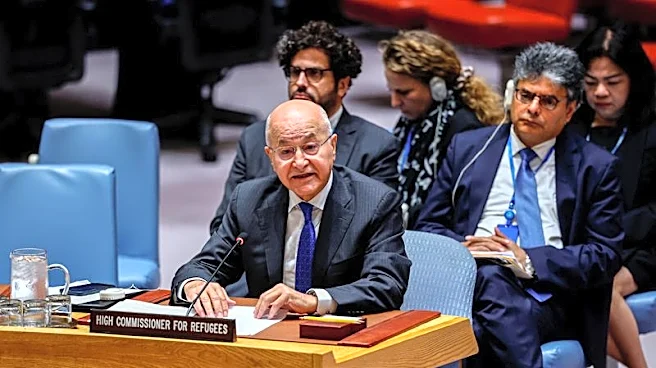
children, proceeded despite objections from the UN and numerous human rights organizations. The UNHCR's Assistant High Commissioner for Protection, Edem Wosornu, highlighted that those returned to Myanmar could face serious risks due to the ongoing civil war and dire humanitarian conditions in the country, with some potentially being in need of international protection. The individuals were reportedly taken from immigration detention centers, raising questions about the voluntariness of their return, as UNHCR did not have access to these facilities to assess their choices. This deportation marks the initial phase of a broader plan between Malaysia and Myanmar, which could see up to 5,000 people repatriated.
Why It's Important?
This development is important due to its implications for international refugee law and human rights principles, particularly the principle of non-refoulement, which prohibits returning individuals to a country where they face persecution, torture, or other serious threats. The UNHCR emphasizes that states must continue to provide asylum until conditions in Myanmar allow for safe returns. Malaysia's actions, despite its claim that returns are strictly voluntary, are being scrutinized given the lack of independent assessment of the detainees' consent. This situation could set a concerning precedent for other nations dealing with refugee populations, potentially undermining global efforts to protect vulnerable individuals fleeing conflict and persecution. The ongoing turmoil in Myanmar, stemming from the 2021 coup, exacerbates the risks faced by those being returned, making the international community's response to such repatriations critical.
What's Next?
The UNHCR will likely continue to advocate for the protection of Myanmar nationals and press Malaysia to adhere to international non-refoulement principles. The broader plan between Malaysia and Myanmar to repatriate up to 5,000 people suggests that further deportations may occur, which will likely draw continued international scrutiny and condemnation from human rights groups. The situation in Myanmar, characterized by a civil war and humanitarian crisis, will remain a critical factor influencing the safety of any returned individuals. International bodies and human rights organizations will likely monitor the welfare of those repatriated and continue to urge Malaysia to grant UNHCR access to detention centers to ensure that any returns are genuinely voluntary and safe.
Beyond the Headlines
Beyond the immediate concerns for the safety of the repatriated individuals, this event highlights the complex challenges faced by countries hosting large refugee populations and the delicate balance between national sovereignty and international humanitarian obligations. The increasing local hostility towards refugees in Malaysia, particularly ethnic Rohingya Muslims, underscores the societal pressures that can influence government policies on immigration and asylum. This situation also brings to the forefront the ongoing genocide case at the International Court of Justice concerning the 2017 Myanmar military crackdown, which further complicates the ethical and legal considerations of returning individuals to a country facing such grave accusations. The incident serves as a stark reminder of the need for robust international cooperation and adherence to humanitarian law in managing global displacement crises.