



What's Happening?
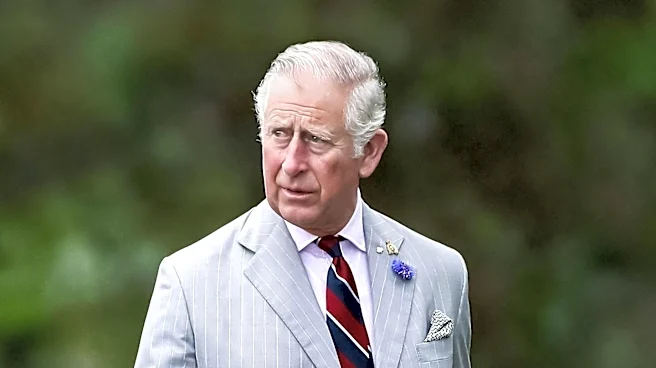
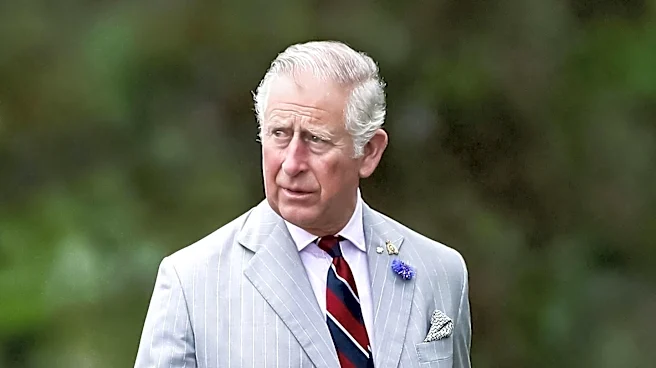
King Charles reportedly demonstrated the enduring power and impact of the monarchy through his recent Caribbean tour, according to a report by The Express. The monarch was commended for successfully completing a challenging nine-day trip that included
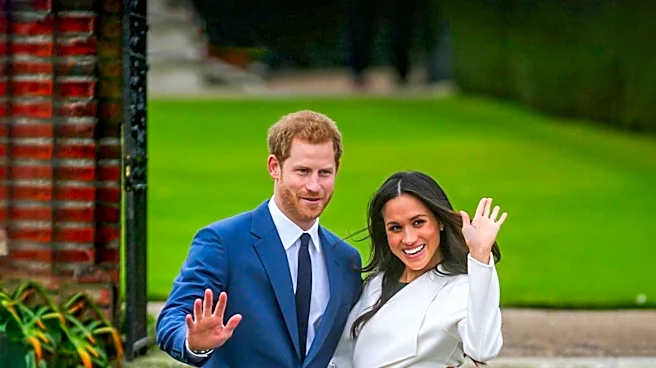
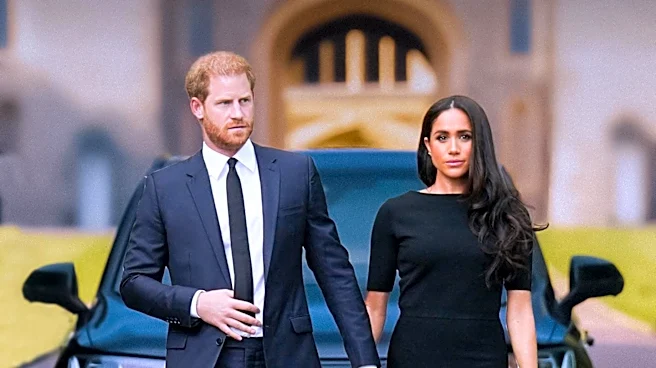
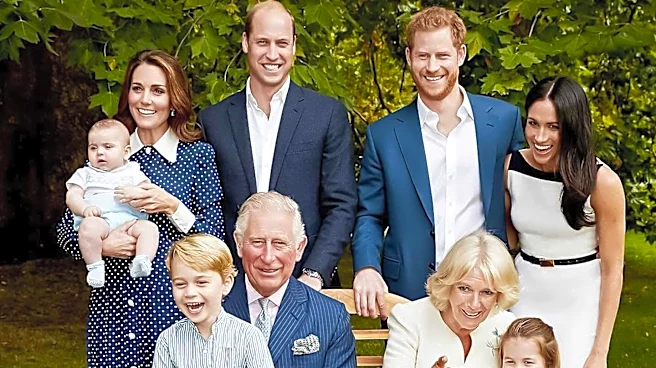
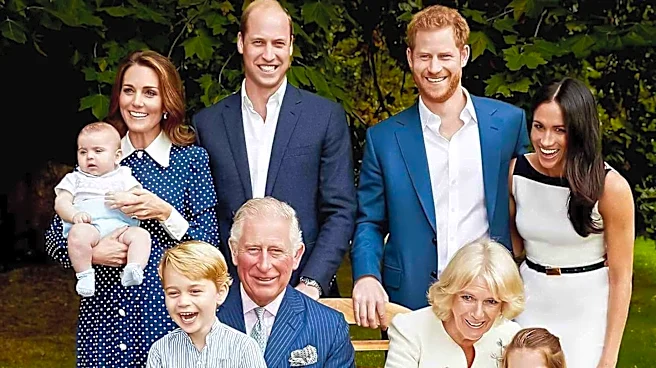
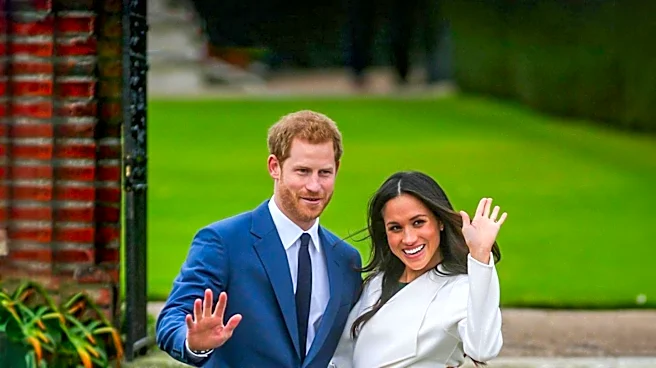
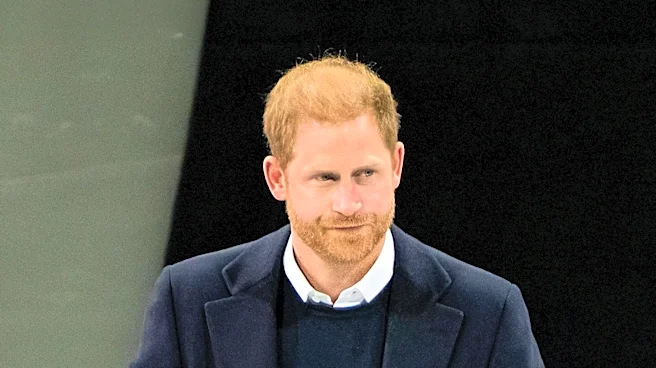
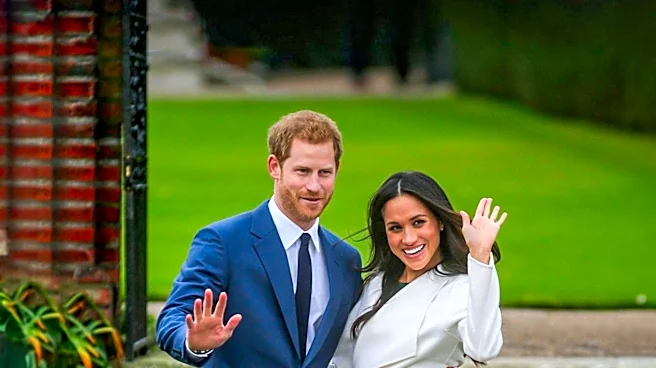
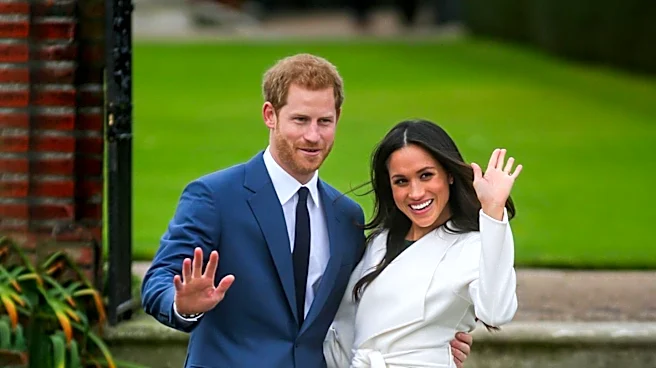
visits to the Bahamas, Guyana, and Antigua and Barbuda, even amidst a tropical storm. A royal editor cited in the report highlighted that the UK government views the King as their 'secret weapon,' noting his established official relationships with global figures such as the Pope, the US President, and Caribbean leaders. This successful tour is presented as a stark contrast to the current standing of Prince Harry and Meghan Markle, suggesting that they cannot match the influence and impact of a working royal. The report implies that the tour served as a lesson for the Sussexes, illustrating the significant value and power inherent in official royal visits, a status they relinquished when they stepped back from their senior royal roles in 2020.
Why It's Important?
This report underscores the perceived continued relevance and diplomatic utility of the British monarchy, particularly in its international relations. The successful Caribbean tour, despite challenging weather conditions, highlights the King's capacity to engage with Commonwealth nations and global leaders, reinforcing the UK's soft power and diplomatic ties. For the UK government, the King's role as a 'secret weapon' signifies the strategic importance of the monarchy in fostering international relationships and promoting national interests. The comparison drawn with Prince Harry and Meghan Markle is significant, as it frames their departure from senior royal duties as a loss of a unique platform for global influence. This narrative reinforces the idea that the monarchy, through its established protocols and historical weight, offers an unparalleled ability to command attention and facilitate diplomatic engagement, which non-working royals or private citizens cannot replicate. This perspective is crucial for understanding the ongoing debate about the monarchy's value in the modern world and the implications of royal family members stepping away from their official roles.
What's Next?
The successful Caribbean tour is likely to bolster the perception of King Charles's effectiveness as a monarch and a global diplomat. This could lead to further emphasis on his international engagements and a continued strategy by the UK government to leverage the monarchy's soft power. For Prince Harry and Meghan Markle, this report further solidifies their position as non-working royals whose influence is distinct from that of the official monarchy. It may reinforce the public and institutional view that their impact, while potentially significant in other spheres, cannot replicate the unique diplomatic and symbolic weight of a royal tour. This could influence future discussions about their roles, titles, and any potential future interactions with the Royal Family. The narrative of the monarchy's enduring value, as highlighted by the tour, will likely continue to be a key message from Buckingham Palace and the UK government, especially in the context of Commonwealth relations and global diplomacy.
Beyond the Headlines
The report's emphasis on King Charles's successful Caribbean tour and its contrast with Prince Harry and Meghan Markle's current standing touches upon the evolving nature of celebrity and influence in the 21st century. While the Sussexes have sought to build a platform based on personal brand and advocacy, the report suggests that the institutional power of the monarchy remains a distinct and potent force in international relations. This raises questions about the different forms of 'impact' and 'value' in the public sphere – whether it stems from traditional institutional authority or from individual celebrity and activism. The 'secret weapon' designation for the King highlights the strategic deployment of royal figures as diplomatic assets, a practice that intertwines national interest with monarchical tradition. This dynamic also implicitly critiques the notion that stepping away from royal duties for personal freedom necessarily translates into an equivalent or greater form of global influence, suggesting that the unique leverage of the crown is not easily replicated. The long-term implication is a continued differentiation between the roles and impacts of working royals versus those who choose a more independent path.