




What's Happening?
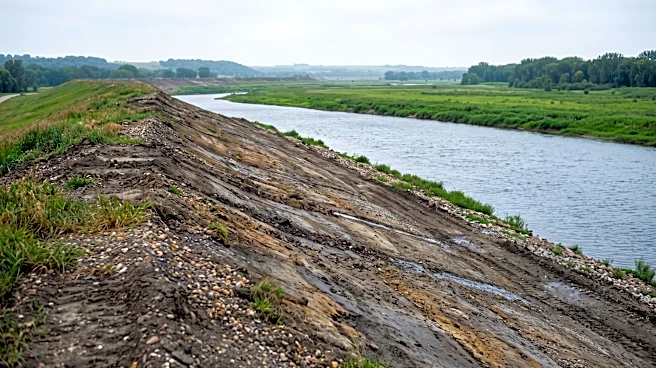
The Brookings County Drainage Board has scheduled a public meeting for November 16 to discuss the proposed restoration of an eroded dike on the Big Sioux River in Medary Township. The meeting will take place from 6 to 9 p.m. in the Commission Chambers
of the Brookings City & County Government Center. Residents and landowners are encouraged to attend to receive updates on the project and provide their input. For those unable to attend, questions and insights can be submitted via email by 5 p.m. on November 16 to be presented to the board. This is not the first time the drainage board, composed of County Commission members Shawn Hostler, Kelly VanderWal, Larry Jensen, Dave Miller, and Doug Post, has addressed this issue. A previous meeting on June 8 saw a significant turnout with varied opinions on the proposed work. Concerns raised at that time included the restoration of flooded farmland, potential risks to homes near the river channel, and the impact of increased water flows from tiling, growth in Brookings, and changing precipitation patterns.
Why It's Important?
The restoration of the Big Sioux River dike carries significant implications for both the environment and the local economy in Brookings County. The dike, which protected a diversion ditch since at least the 1960s, has eroded to the point where up to 70% of the river's water now flows into the ditch, especially during floods. This hydrological shift has resulted in widespread flooded farmland, increased erosion, and threats to critical infrastructure, including a bridge on 216th Street (County Road 12/Sinai Road). If the dike is not restored, county taxpayers could face costs ranging from $7.8 million to $12.45 million for necessary infrastructure repairs, such as additional culverts on 217th Street and further bridge work on 469th Avenue. However, homeowners living near the river, such as DJ Reker, express concerns that dike restoration could elevate river water levels, potentially endangering up to 20 homes east of the river. Farmers like Steve Wicks, who own inundated land, are also impacted, as they continue to pay property taxes on unusable acres. The board's decision will balance these competing interests, affecting property values, agricultural productivity, and public safety.
What's Next?
The upcoming November 16 meeting is a critical next step for the Brookings County Drainage Board to gather new information and public input before making a decision on the dike restoration project. The board will consider insights from residents and landowners, particularly those who have submitted questions via email. Following this meeting, the board will need to weigh the economic costs of inaction against the potential environmental and residential impacts of restoration. Stakeholders, including local farmers, homeowners, and county taxpayers, will be closely watching the proceedings and the board's eventual decision. The outcome could lead to significant public works projects, potential property buyouts or mitigation efforts, or a decision to pursue alternative solutions. The board's choice will likely influence future land use planning and flood management strategies in Medary Township and the broader Brookings County area, potentially setting precedents for how similar environmental and infrastructure challenges are addressed.
Beyond the Headlines
The debate surrounding the Big Sioux River dike restoration highlights broader issues of land use, environmental management, and community resilience in the face of changing climate patterns. The erosion of the dike and the subsequent rerouting of river water underscore the long-term consequences of infrastructure decisions and natural processes. The conflict between agricultural interests (restoring flooded farmland) and residential concerns (potential increased flood risk to homes) reflects a common challenge in many communities situated near waterways. This situation also brings to light the financial burden placed on taxpayers for both preventative measures and reactive repairs to infrastructure. The discussion extends beyond immediate costs and benefits to encompass the long-term ecological health of the Big Sioux River ecosystem and the sustainability of agricultural practices in the region. The board's decision will not only address a local infrastructure problem but also contribute to the ongoing dialogue about balancing economic development, environmental protection, and community well-being in rural American communities.