




What's Happening?
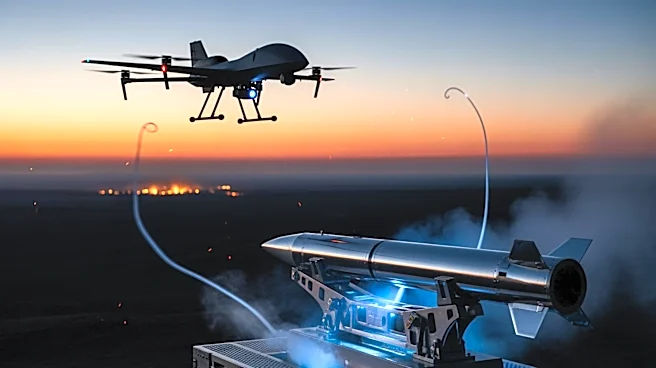
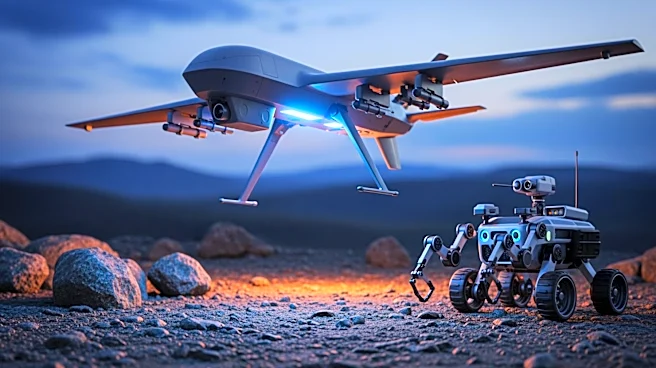
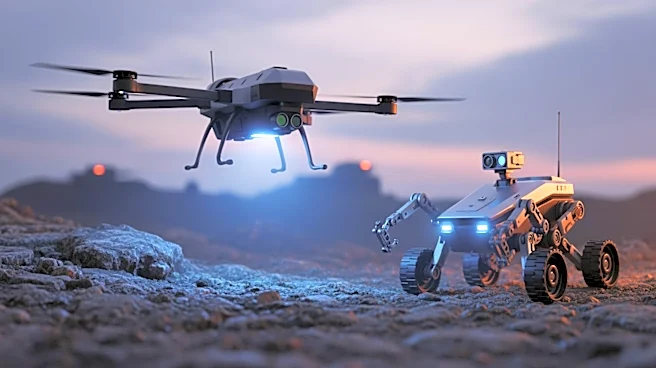
The United Kingdom has announced a significant defense contract to supply Ukraine with 120,000 uncrewed air vehicles (UAVs) as part of a £752 million ($1 billion) deal. This contract, described as the largest of its kind ever supplied by the UK, involves
three companies: Malloy Aeronautics, Tekever, and Windracers. The drones are intended to enhance Ukraine's defense capabilities amid ongoing conflict with Russia. The package includes long-range strike, intelligence, reconnaissance, and logistics drones, along with unspecified maritime capabilities. Deliveries have already commenced, with the UK Ministry of Defence emphasizing the investment's focus on UK-based companies. This initiative is part of broader support, including artillery rounds and air defense missiles, to bolster Ukraine's military efforts.
Why It's Important?
This substantial drone contract underscores the UK's commitment to supporting Ukraine in its defense against Russian military actions. The provision of advanced UAVs is expected to significantly enhance Ukraine's operational capabilities, allowing for improved intelligence gathering, reconnaissance, and logistical support. The drones' deployment is crucial in countering the reported 6,500 one-way attack drones launched by Russia in March alone. By strengthening Ukraine's defense infrastructure, the UK aims to help stabilize the region and deter further aggression. This move also highlights the strategic importance of drone technology in modern warfare, potentially influencing future military procurement and defense strategies globally.
What's Next?
As the drones are delivered and integrated into Ukraine's defense systems, their impact on the ongoing conflict will be closely monitored. The effectiveness of these UAVs in real-world operations could lead to further international support and similar contracts from other nations. Additionally, the success of this initiative may prompt the UK and its allies to explore further military aid packages to Ukraine. The geopolitical implications of this support could influence diplomatic relations and defense policies within NATO and other international alliances.