


What's Happening?
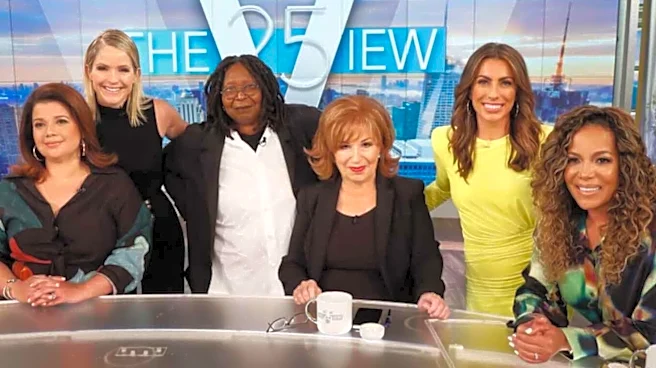
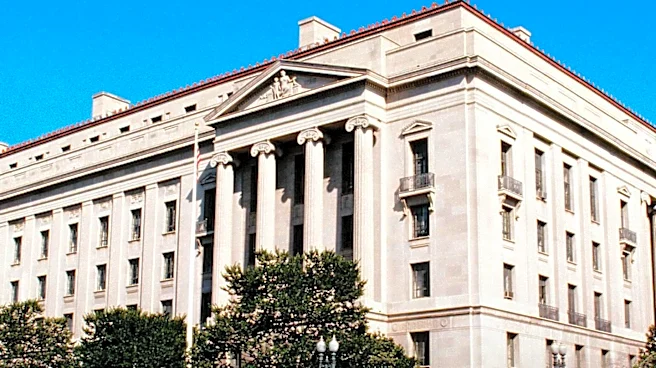
A bipartisan group of former high-ranking Federal Communications Commission (FCC) officials has urged the FCC to cease its early license renewal investigation into ABC. The investigation, initiated in April, requires Disney-owned ABC to renew its licenses
for eight television stations ahead of schedule, citing potential violations of the Communications Act of 1934 and FCC rules. The coalition, which includes former FCC chairs and commissioners from both Democratic and Republican administrations, argues that the probe is an attack on free speech disguised as regulatory oversight. Former FCC Commissioner Rachelle Chong criticized the investigation as politically motivated, suggesting it aims to silence ABC and Disney. ABC has launched a campaign to rally public support, accusing the FCC of stifling speech ahead of the 2026 general election.
Why It's Important?
The FCC's investigation into ABC raises significant concerns about the potential misuse of regulatory power to influence media content and editorial decisions. This situation highlights the tension between government oversight and media freedom, particularly in the context of political narratives. The outcome of this probe could set a precedent for how media organizations are regulated, potentially impacting their ability to operate independently. If the FCC's actions are perceived as politically motivated, it could undermine public trust in regulatory bodies and their role in safeguarding free speech. The case also underscores the ongoing debate over the balance between regulatory authority and First Amendment rights, with potential implications for other media outlets and their editorial practices.
What's Next?
The FCC's decision on whether to continue or drop the investigation will be closely watched by media organizations and free speech advocates. ABC's legal and public relations strategies will likely intensify as they seek to defend their editorial independence. The case may prompt further legal challenges and public discourse on the role of regulatory agencies in media oversight. Additionally, the outcome could influence future FCC policies and practices regarding license renewals and content regulation. Stakeholders, including media companies and civil liberties groups, may increase their advocacy efforts to ensure that regulatory actions do not infringe on free speech rights.