





What's Happening?
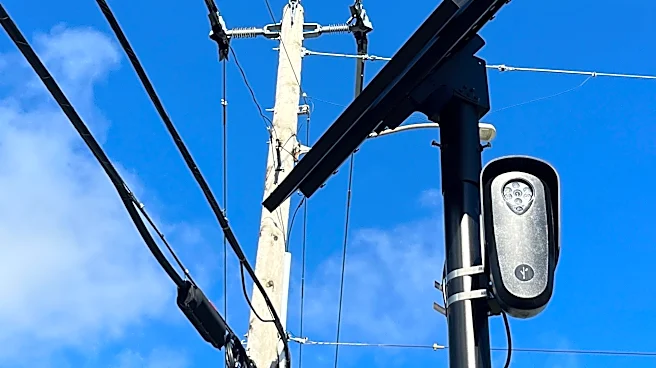
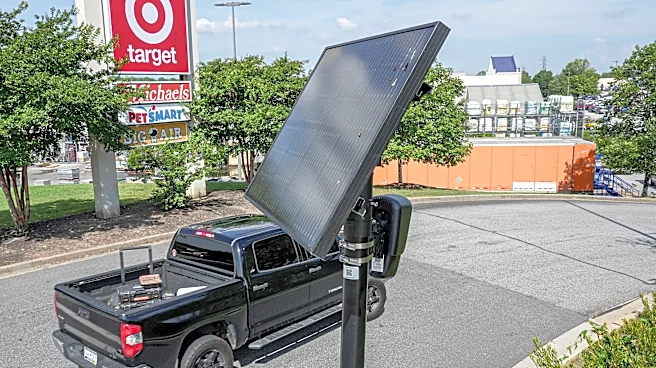
Florida's Department of Transportation (DOT) has revoked all permits for vehicle license plate reader systems, including those from companies like Flock Safety, located within the right-of-way of state highway roads. This decision comes in response to
an "exponential increase" in deployments and a rise in reports concerning the misuse of these surveillance systems. Will Watts, the chief operating officer and assistant secretary of Transportation, stated in a memo that the DOT will cease issuing new permits for such systems under its jurisdiction. Local law enforcement agencies, which had previously received approvals for these readers, are now required to remove them within 30 days. If not removed by the specified deadline, the DOT will undertake the removal itself. This action follows recent incidents where law enforcement officers in other states, such as Massachusetts and Louisiana, were fired or faced criminal charges for allegedly misusing Flock systems to obtain information on individuals they knew. Flock Safety, which captures license plates and vehicle characteristics, had previously announced changes to its policies, including requiring a criminal case number for database searches and reducing data retention from 30 to seven days, in response to growing backlash.
Why It's Important?
This directive from the Florida DOT signifies a significant move to address privacy concerns and potential abuses of surveillance technology within the state. The removal of license plate readers from state highways could impact law enforcement's ability to track vehicles, potentially affecting investigations that rely on such data. For Floridians, this action aims to safeguard their "sovereignty and quality of life" by limiting widespread surveillance and mitigating risks associated with data privacy. The decision also highlights a broader national debate regarding the balance between public safety and individual privacy rights in the age of advanced surveillance technologies. The reported misuse of these systems by law enforcement officers underscores the need for stricter oversight and accountability, which Florida's action attempts to provide. This could set a precedent for other states to re-evaluate their policies on automated license plate readers and similar surveillance tools, potentially leading to a more regulated environment for their deployment and use across the U.S.
What's Next?
The immediate next step involves the removal of all affected license plate reader systems from Florida's state highway rights-of-way within 30 days by the permit holders. Should these systems not be removed by the deadline, the Florida DOT will proceed with their removal. This action is likely to prompt reactions from law enforcement agencies that rely on these systems for their operations, potentially leading to discussions about alternative methods for vehicle tracking or the development of new, more secure protocols for surveillance technology use. Furthermore, this decision could influence legislative efforts at both state and federal levels to regulate the deployment and use of automated license plate readers and other surveillance technologies. Companies like Flock Safety may face increased pressure to implement more robust privacy safeguards and transparency measures to regain public trust and ensure the ethical use of their products. The broader implications could include a re-evaluation of surveillance policies in other states, potentially leading to similar restrictions or enhanced oversight nationwide.
Beyond the Headlines
The Florida DOT's decision extends beyond immediate operational changes, touching upon fundamental questions of civil liberties and the role of technology in a free society. The "concerning reports of misuse, data privacy concerns, and surveillance schemes" cited by the DOT underscore a growing public apprehension about pervasive surveillance. This move reflects a societal pushback against the unchecked expansion of data collection technologies, particularly when they are perceived to infringe upon individual privacy without adequate safeguards. The ethical dimension of this issue revolves around the potential for such systems to create a 'surveillance state,' where citizens are constantly monitored, leading to a chilling effect on freedom of movement and expression. Legally, this action could inspire challenges to existing surveillance laws and prompt calls for new legislation that explicitly defines the permissible scope of such technologies. Culturally, it signifies a shift in public discourse, where the benefits of security are increasingly weighed against the costs to personal freedom, potentially fostering a more privacy-conscious approach to technological adoption in public spaces.