









What's Happening?
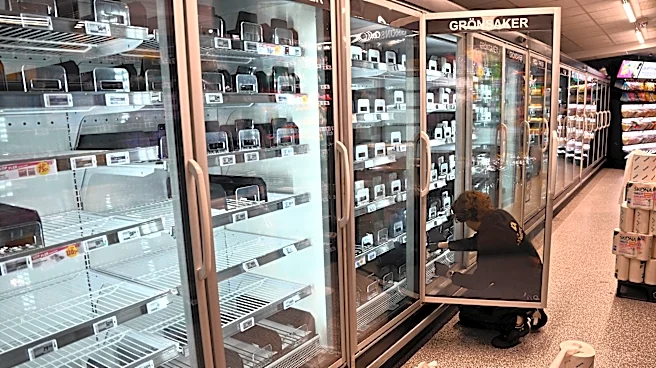
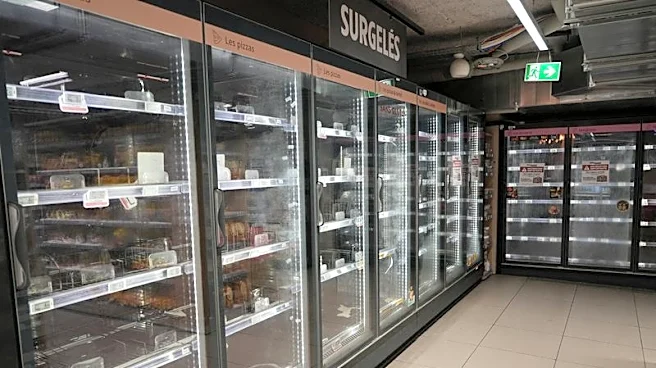
Supermarkets in nine European countries, including Belgium, Estonia, Finland, Ireland, Luxembourg, the Netherlands, and Sweden, have been hit by a series of cyberattacks targeting their refrigeration systems. These attacks, reported on Monday, November
2, caused temperatures in storage units to rise significantly, in some cases reaching 50 degrees Celsius. This forced several retailers, such as Carrefour, Delhaize, Colruyt, Intermarché, IKEA, Sweden's Coop and ICA, and Ireland's SuperValu, to remove chilled and frozen products from sale due to food safety concerns and potential spoilage. The incidents follow a similar cyberattack in France on October 12, where hackers manipulated refrigeration controls in hundreds of supermarkets, leading to substantial food losses. Cybersecurity specialists are concerned about the vulnerability of outdated software and internet-connected refrigeration equipment to remote interference. Danish manufacturer Danfoss, whose equipment was reportedly involved, had previously advised customers to update older software. No group has claimed responsibility, and investigators are still determining if the attacks are connected.
Why It's Important?
This wave of cyberattacks highlights a critical vulnerability in the food supply chain across Europe, with potential implications for global trade and cybersecurity strategies. The disruption to refrigeration systems directly impacts food safety and leads to significant financial losses for retailers due to spoiled products. For consumers, these attacks could result in reduced availability of fresh and frozen goods, potentially driving up prices and eroding trust in the security of essential services. The repeated nature of these incidents, following a similar attack in France, suggests a growing and sophisticated threat to industrial control systems. This situation underscores the urgent need for enhanced cybersecurity measures and updated software in critical infrastructure, not just in Europe but globally, as interconnected systems mean vulnerabilities in one region can have far-reaching consequences. The lack of attribution for these attacks further complicates efforts to deter and prevent future incidents, posing a challenge to international cybersecurity cooperation.
What's Next?
European authorities are expected to intensify investigations into the cyberattacks to identify the perpetrators and determine if the incidents are coordinated. Retailers will likely prioritize strengthening their cybersecurity defenses, particularly for internet-connected industrial control systems like refrigeration units. This may involve significant investments in new software, hardware, and employee training. There could also be increased pressure on manufacturers of industrial equipment, such as Danfoss, to ensure their products are secure by design and to provide timely software updates. Governments and regulatory bodies may consider implementing stricter cybersecurity standards for critical infrastructure, including the food supply chain, to prevent future disruptions. International cooperation among cybersecurity agencies will be crucial to share intelligence and develop collective defense strategies against these evolving threats. Consumers may see temporary shortages or price fluctuations in affected product categories as retailers adapt to the new security landscape.
Beyond the Headlines
The cyberattacks on European supermarkets reveal a deeper societal vulnerability to digital warfare and economic sabotage. Beyond the immediate financial and logistical impacts, these incidents could erode public confidence in the resilience of modern infrastructure. The targeting of food supply chains, a fundamental aspect of societal stability, suggests a potential shift in cyber warfare tactics towards disrupting daily life and creating widespread panic. This raises ethical questions about the use of cyber tools to inflict civilian harm and the responsibility of states and corporations to protect critical systems. The reliance on internet-connected devices in industrial settings, while offering efficiency, also creates a vast attack surface that requires a re-evaluation of security paradigms. The ongoing challenge of attributing cyberattacks also highlights the complexities of international law and accountability in the digital age, potentially leading to new debates on cyber deterrence and collective security frameworks.