




What's Happening?
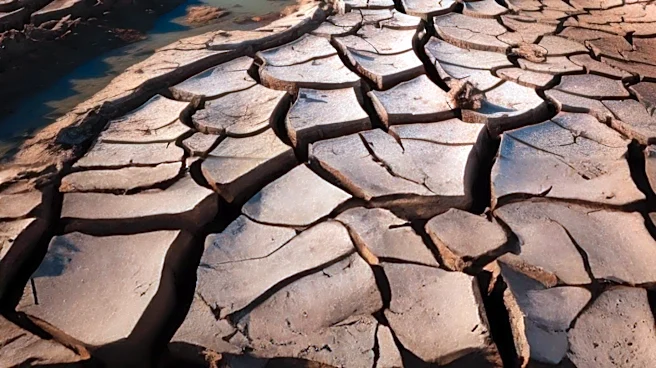
Washington State determines drought conditions based on a specific legal definition that focuses on water supply and potential hardships. An area is considered to be in drought when its water supply, or a significant portion of it, is projected to be below
75% of normal levels, and this shortage is likely to cause undue hardships for water users or the environment. Normal water supply is defined as the median amount of water available during the most recent official climate period (1991–2020). Snowpack is a critical component of Washington’s water supply, with approximately three-quarters of the runoff from the Cascades originating from it. A weak snowpack or changes in snowmelt timing can significantly impact spring and summer water availability. The state's Water Supply Availability Committee considers both existing and forecasted conditions, including streamflow forecasts from the National Weather Service and the Natural Resources Conservation Service, when making drought determinations. Coastal Washington receives over 80 inches of precipitation annually, while parts of the Lower Columbia Basin east of the Cascades receive less than 10 inches.
Why It's Important?
This defined drought determination process is crucial for Washington State as it provides a clear framework for identifying and responding to water shortages. By establishing specific thresholds for water supply and potential hardship, the state can trigger necessary interventions and support for affected communities and ecosystems. The reliance on snowpack highlights the vulnerability of the region's water resources to climate variability and change, impacting agriculture, hydropower, and municipal water supplies. The involvement of multiple agencies and the consideration of forecasts underscore a proactive approach to drought management, aiming to mitigate economic and environmental damage. Understanding these criteria is vital for stakeholders, including farmers, utility providers, and environmental groups, to anticipate and prepare for drought conditions and their associated impacts.
What's Next?
In response to regional drought concerns, NOAA’s National Integrated Drought Information System (NIDIS) launched the Pacific Northwest Drought Early Warning System (DEWS) in 2016. This system, covering Washington, Idaho, Oregon, and western Montana, facilitates information sharing and coordinated actions among regional and national partners to help communities cope with drought. Continued monitoring of snowpack levels, precipitation, and streamflow forecasts will be essential for ongoing drought assessments. The state's Water Supply Availability Committee will likely continue to meet and make determinations based on these indicators, potentially leading to drought declarations and the implementation of water conservation measures or emergency relief efforts. The DEWS network will play a key role in disseminating information and coordinating responses to future drought events.
Beyond the Headlines
The detailed drought definition in Washington State reflects a growing understanding of the complex interplay between meteorological conditions, water availability, and societal impacts. By explicitly including 'undue hardships' in its criteria, the state acknowledges that drought is not merely a scientific phenomenon but also a socio-economic challenge. This approach allows for a more holistic response that considers human and environmental needs. The emphasis on snowpack as a natural reservoir underscores the importance of mountain ecosystems in regional water security and highlights the potential long-term implications of climate change on these critical resources. The collaborative efforts through initiatives like the Pacific Northwest DEWS demonstrate a shift towards integrated and proactive drought management, recognizing that effective solutions require broad cooperation and a comprehensive understanding of vulnerability.