








What's Happening?
The Family and Medical Leave Act (FMLA) includes specific provisions that allow eligible employees to take job-protected, unpaid leave when their spouse is deployed for military service. This 'Qualifying Exigency Leave' covers a range of non-medical needs
arising from a spouse's active duty overseas, including short-notice deployments, military events, childcare arrangements, financial and legal matters, counseling, rest and recuperation visits, and post-deployment activities. Employees must meet specific criteria: working for an employer with 50 or more employees within a 75-mile radius for at least 12 months, and having logged at least 1,250 hours in the past year. The leave can be taken intermittently or on a reduced schedule, and employers are required to maintain health benefits and restore the employee to their original or an equivalent position upon return.
Why It's Important?
These FMLA provisions are crucial for military families, offering a vital safety net that prevents employees from having to choose between their job and supporting their deployed spouse. The law acknowledges the significant logistical and emotional challenges faced by families when a service member is deployed, providing a legal framework for managing these disruptions without fear of job loss. This protection helps maintain family stability, reduces stress on military spouses, and ensures that essential family and personal matters can be addressed during a deployment. It also underscores the federal government's recognition of the sacrifices made by military families, aiming to mitigate some of the civilian-side burdens associated with military service. The ability to take intermittent leave is particularly important, offering flexibility for ongoing needs.
What's Next?
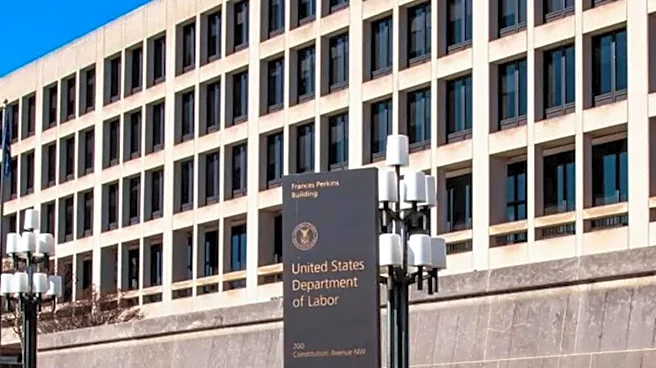
Employees needing to utilize FMLA for a spouse's deployment must provide proper notice to their employer, ideally 30 days in advance for foreseeable events, or 'as soon as practicable' for short-notice deployments. They will also need to submit certification, typically a copy of the spouse's active duty orders, and may use Form WH-384 from the Department of Labor. Employers are legally obligated to comply with these requests, and any denial or retaliation can lead to FMLA violations. Employees who believe their rights have been compromised are advised to document everything, avoid signing away their rights, and contact an employment lawyer or file a complaint with the Department of Labor's Wage and Hour Division. The Department of Labor continues to enforce these guidelines to ensure military families receive the support they are entitled to.
Beyond the Headlines
The FMLA's military family provisions highlight the broader societal recognition of the unique challenges faced by military families. While the leave is unpaid, it sets a precedent for job protection during critical life events, influencing discussions around paid family leave policies at both federal and state levels. The distinction between 'Qualifying Exigency Leave' and 'Military Caregiver Leave' (which offers up to 26 weeks for caring for an injured service member) further illustrates the nuanced approach to supporting military families. This legal framework reflects an evolving understanding of family responsibilities and the need for workplace flexibility, potentially inspiring similar protections for other caregiving roles or life circumstances. It also emphasizes the importance of legal literacy for employees to assert their rights effectively.