



What's Happening?
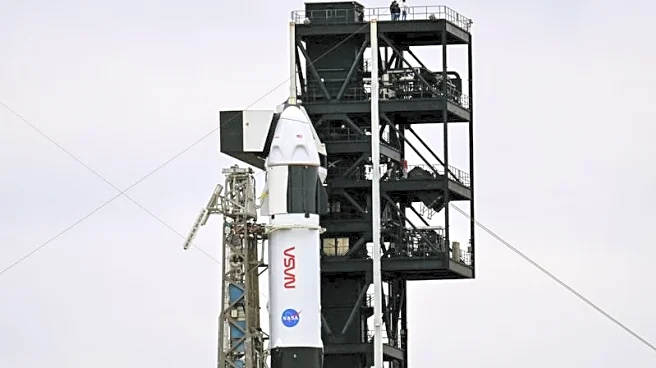
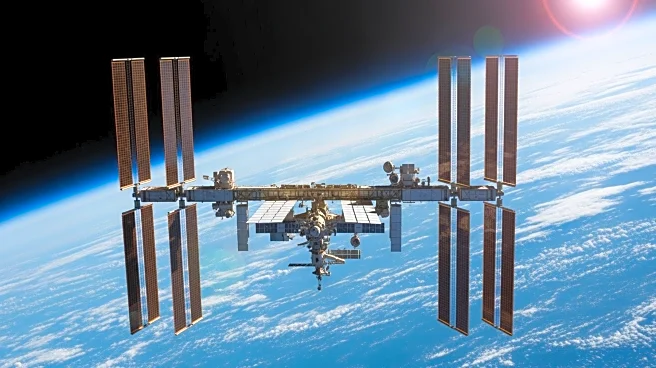
The International Space Station (ISS) has returned to a full crew complement following the arrival of the Crew 12 mission. On Valentine's Day, a Crew Dragon spacecraft successfully docked with the ISS, and the hatches were opened at 5:14 pm ET. The mission brought
four new astronauts to the station: Jessica Meir and Jack Hathaway from NASA, Sophie Adenot from the European Space Agency, and Andrey Fedyaev from Roscosmos. This addition brings the total number of crew members on the ISS to seven. The number of astronauts on the ISS varies due to crew rotations and the presence of private astronauts. Since the regular flights of Crew Dragon began in late 2020, NASA has aimed to maintain at least four 'USOS' astronauts on board, representing the United States, Canada, Europe, and Japan. This ensures the operation of the station's segments maintained by NASA and its partners. Recently, NASA had to bring one of the Crew-11 astronauts back to Earth early due to a health emergency, though the astronaut is reportedly recovering.
Why It's Important?
The arrival of Crew 12 is significant as it restores the ISS to its full operational capacity, allowing for the continuation of scientific research and international collaboration in space. The presence of a full crew enables the ISS to maximize its research output and maintain its role as a hub for international space cooperation. The incident with the Crew-11 astronaut highlights the challenges of maintaining crew health in space, emphasizing the importance of having a full team to ensure mission continuity. The successful docking of Crew Dragon also underscores the reliability of commercial spaceflight partnerships, which are crucial for NASA's ongoing operations and future missions.
What's Next?
With the ISS back to full capacity, the crew will continue their scheduled research and maintenance activities. The focus will remain on conducting experiments that benefit life on Earth and advance human space exploration. NASA and its partners will also continue to monitor the health and safety of the crew, ensuring that any future health issues are addressed promptly. The success of Crew 12 may influence future crew rotations and the planning of upcoming missions, as NASA and its partners aim to maintain a steady presence in space.