





What's Happening?
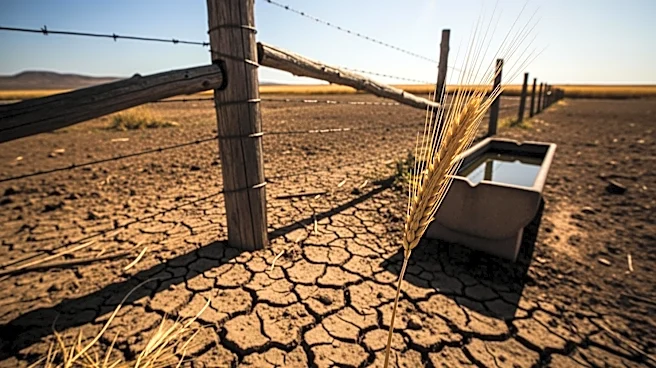
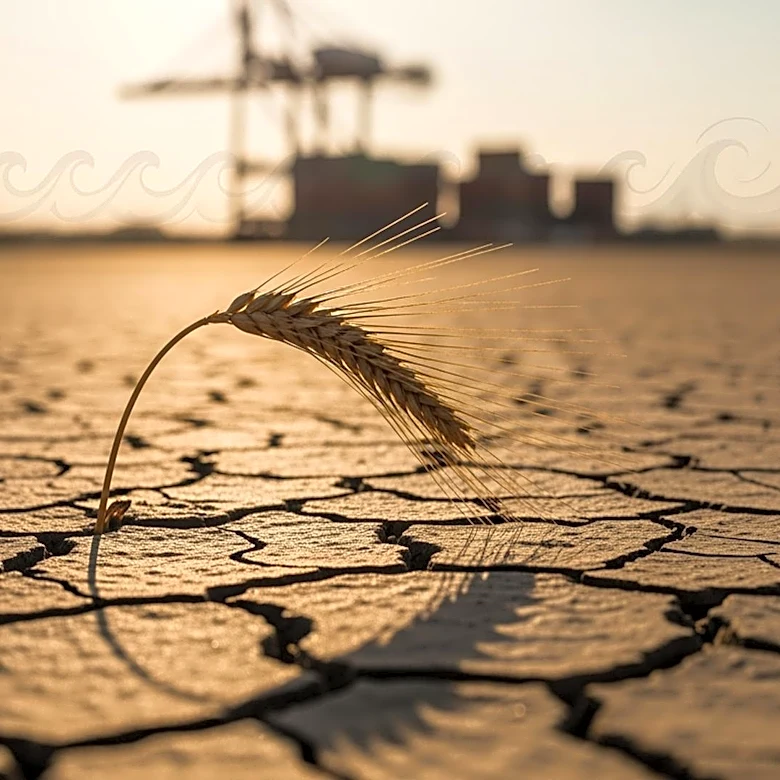
Farmers in the Great Plains are grappling with a severe drought that is threatening the winter wheat harvest and increasing costs for cattle producers. The drought, which covers nearly 90% of Nebraska and Oklahoma, has led to poor crop conditions, with only
30% of the U.S. winter wheat crop rated as good to excellent. The lack of moisture is forcing some farmers to allow cattle to graze on fields instead of harvesting grain. The drought is compounded by high fertilizer prices, partly due to geopolitical tensions, leading some farmers to reduce fertilizer use. Relief may not come until later in the summer when El Niño conditions could bring rain, but by then, the planting window for wheat may have closed.
Why It's Important?
The drought in the Great Plains is significant as it affects a major agricultural region in the U.S., potentially impacting food supply and prices. The region's wheat production is crucial for both domestic consumption and export markets. The drought also affects cattle production, as farmers may be forced to sell off herds due to high feed costs and lack of pasture. This could lead to long-term impacts on the cattle industry, which is already at a 75-year low in herd size. The economic pressure on farmers is exacerbated by high input costs, which could lead to reduced agricultural output and financial strain on rural communities.
What's Next?
Farmers and agricultural stakeholders are closely monitoring weather forecasts, hoping for rain to alleviate drought conditions. The U.S. Climate Prediction Center forecasts continued drought expansion in some areas, which could further stress agricultural production. Farmers may need to make difficult decisions about herd sizes and crop planting if conditions do not improve. Relief efforts, such as mutual aid funds and donated hay, are being organized to support affected farmers. The development of El Niño later in the summer could bring much-needed rain, but the timing may be too late for some crops.