









What's Happening?
A recent study by LendingTree highlights the growing burden of home insurance costs on homeowners in disaster-prone U.S. states. In areas like Nebraska and Oklahoma, insurance premiums now account for nearly a fifth of monthly housing expenses, surpassing
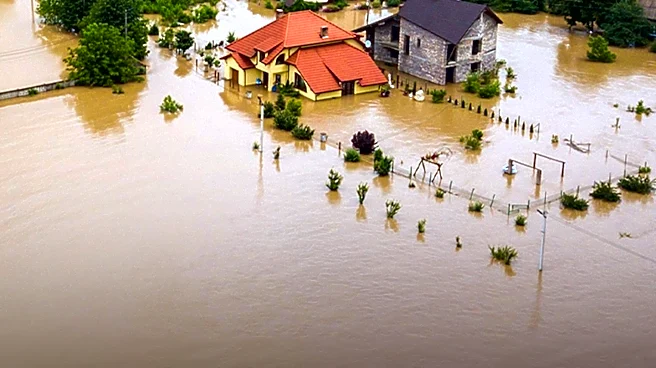
mortgage payments and property taxes. This trend is part of a broader national issue where home insurance takes up at least 10% of monthly housing costs in 20 states. The increase in premiums is attributed to more frequent and severe weather events, which pose significant risks to insurers. In states like Florida and California, additional challenges such as fraud and litigation further complicate the insurance landscape. These rising costs are contributing to the broader housing affordability crisis, making homeownership increasingly difficult for many Americans.
Why It's Important?
The escalation in home insurance premiums has significant implications for the U.S. housing market and economy. As insurance costs rise, they exacerbate the housing affordability crisis, particularly in states prone to natural disasters. This situation could lead to a decrease in homeownership rates, especially among lower-income households and those in high-risk areas. The financial strain on homeowners may also result in underinsurance, leaving many vulnerable to catastrophic losses. Additionally, the insurance industry's struggle to maintain profitability in these regions could lead to a reduction in available coverage options, further impacting homeowners' ability to protect their properties.
What's Next?
As insurance premiums continue to rise, stakeholders, including lawmakers and insurance companies, may need to explore solutions to mitigate the financial impact on homeowners. This could involve regulatory changes to address fraud and litigation issues, as well as initiatives to improve disaster preparedness and resilience. Additionally, there may be increased pressure on the federal government to provide support or subsidies to help offset the rising costs for homeowners in high-risk areas. The ongoing dialogue between insurers, policymakers, and consumer advocates will be crucial in shaping the future of home insurance in the U.S.