









What's Happening?
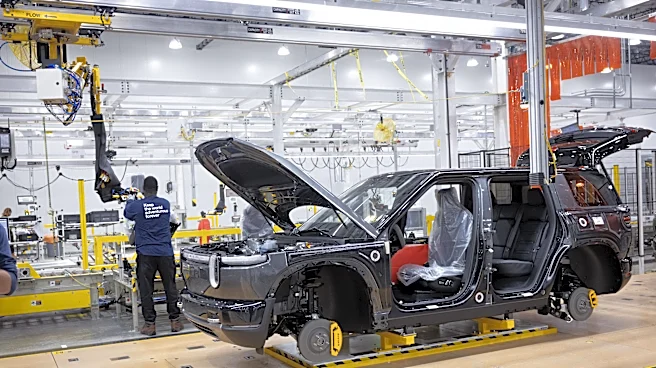
In the first five months of 2026, Ukraine's manufacturing sector emerged as the leading contributor to the country's tax revenues, accounting for 17.9% of the total tax receipts. This marks a significant shift in the revenue landscape, as the processing
industry outpaced other sectors such as wholesale and retail trade, which contributed 16.3%, and financial and insurance activities, which accounted for 10.5%. The data, released by the State Tax Service and reported by Ukrinform, highlights the processing industry's robust growth, with a 17.3% increase in tax receipts compared to the same period last year. This growth is part of a broader trend where sectors like financial and insurance activities and government administration also saw substantial increases in their tax contributions.
Why It's Important?
The rise of the manufacturing sector as a primary source of tax revenue is crucial for Ukraine's economic stability, especially amid ongoing geopolitical tensions. This shift indicates a potential rebalancing of the economy, with manufacturing playing a more central role in fiscal planning. The increased tax revenue from this sector could provide the government with more resources to address economic challenges and invest in infrastructure and public services. Additionally, the growth in manufacturing may signal a strengthening of domestic production capabilities, which could enhance Ukraine's economic resilience and reduce dependency on imports.
What's Next?
As the manufacturing sector continues to grow, it is likely to influence future fiscal policies and economic strategies in Ukraine. The government may focus on supporting this sector through incentives and infrastructure development to sustain its growth trajectory. Additionally, the increased tax revenue could be allocated to bolster other sectors, such as technology and innovation, further diversifying the economy. Monitoring the performance of the manufacturing sector will be crucial for policymakers to ensure balanced economic development and to mitigate any potential risks associated with over-reliance on a single industry.