





What's Happening?
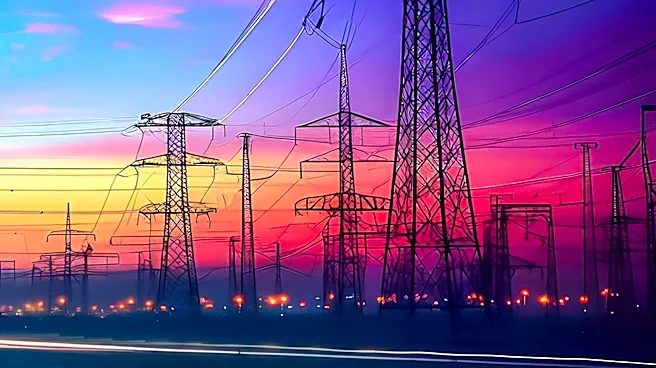
Hundreds of PNM customers in Albuquerque, New Mexico, experienced power outages over the weekend due to two separate incidents, coinciding with record-breaking August temperatures exceeding 90 degrees. On Sunday, over 150 customers in the Parkland Hills
neighborhood, north of Albuquerque International Support, were affected. PNM crews were dispatched for repairs by 3:10 p.m., and power was restored by approximately 4:00 p.m., with an equipment issue identified as the cause by Spokesperson Eric Chavez. Earlier, on Saturday evening, a downed power line near the University of New Mexico impacted 582 customers. While most customers quickly had their power restored, at least one resident of Encino Terrace Apartments reported still being without power at 5:45 p.m. These outages occurred during what has been recorded as the hottest August in the city's history.
Why It's Important?
These power outages highlight the increasing vulnerability of urban infrastructure to extreme weather conditions, a growing concern across the U.S. as climate change contributes to more frequent and intense heatwaves. For Albuquerque residents, particularly those without air conditioning or with health conditions exacerbated by heat, prolonged power loss can pose significant health risks and disrupt daily life. The incidents also underscore the operational challenges faced by utility companies like PNM in maintaining reliable service during peak demand periods driven by high temperatures. The potential for PNM to request customers to conserve power during such times indicates a broader strain on the energy grid, which could lead to more widespread conservation efforts or even rolling blackouts in other regions experiencing similar climate pressures. This situation emphasizes the need for resilient infrastructure and effective emergency response plans to protect public safety and ensure essential services during environmental extremes.
What's Next?
PNM is investigating the specific causes of the recent outages, particularly the equipment issue identified on Sunday. In response to the ongoing high temperatures and potential strain on the power grid, PNM may issue requests for customers to conserve power during peak heat hours. This could involve voluntary reductions in electricity use, such as adjusting thermostats or limiting the use of major appliances, to prevent further outages and stabilize the system. Local authorities and emergency services will likely continue to monitor the situation closely, ready to provide assistance to vulnerable populations affected by power loss. In the longer term, these incidents may prompt discussions and investments in upgrading Albuquerque's power infrastructure to better withstand extreme weather events and ensure greater reliability for residents.
Beyond the Headlines
The recurring power outages in Albuquerque during record heatwaves point to a larger national challenge concerning aging infrastructure and the impacts of climate change on urban environments. Beyond immediate inconveniences, these events can exacerbate social inequalities, as lower-income households often lack adequate cooling systems or alternative power sources, making them more susceptible to heat-related illnesses. The reliance on electricity for essential services, from refrigeration to medical equipment, means that power disruptions can have cascading effects on public health and safety. This situation could accelerate the push for smart grid technologies, decentralized energy solutions, and community-level resilience strategies across the U.S. to mitigate the risks posed by extreme weather. It also raises questions about the adequacy of current utility regulations and investment in infrastructure modernization to meet the demands of a changing climate.